Steel Selection Decision Tool
Project Configuration
Configure your project parameters to see which steel source offers the best balance of risk, cost, and performance.
Walk into any hardware store or construction site, and you’ll hear the same debate. Some contractors swear by American-made beams, while others point to the price tag on Chinese imports. The question isn’t just about patriotism; it’s about structural integrity, cost efficiency, and supply chain reliability. But is American steel actually superior to its Chinese counterpart? The answer is more complex than a simple yes or no.
To understand why this perception exists, we need to look at how steel is made, what standards govern it, and where the real differences lie in 2026. It’s not that one country makes "bad" metal and the other makes "good" metal. It’s about consistency, regulation, and the specific application of the final product.
The Core Difference: Production Methods and Scale
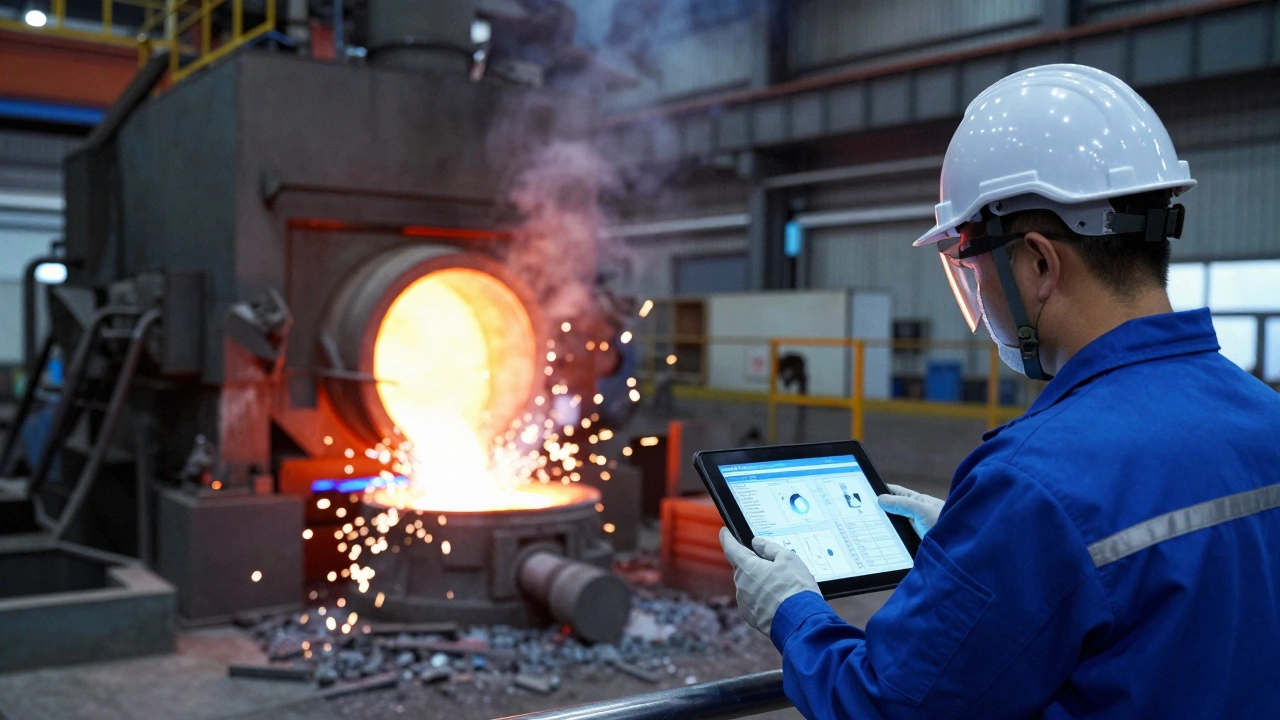
The primary reason people perceive American steel as better often comes down to the manufacturing process itself. In the United States, the majority of high-quality steel is produced using Electric Arc Furnaces (EAF). This method recycles scrap metal, melting it down with electricity. It’s cleaner, more flexible, and allows for tighter control over the chemical composition of the final alloy.
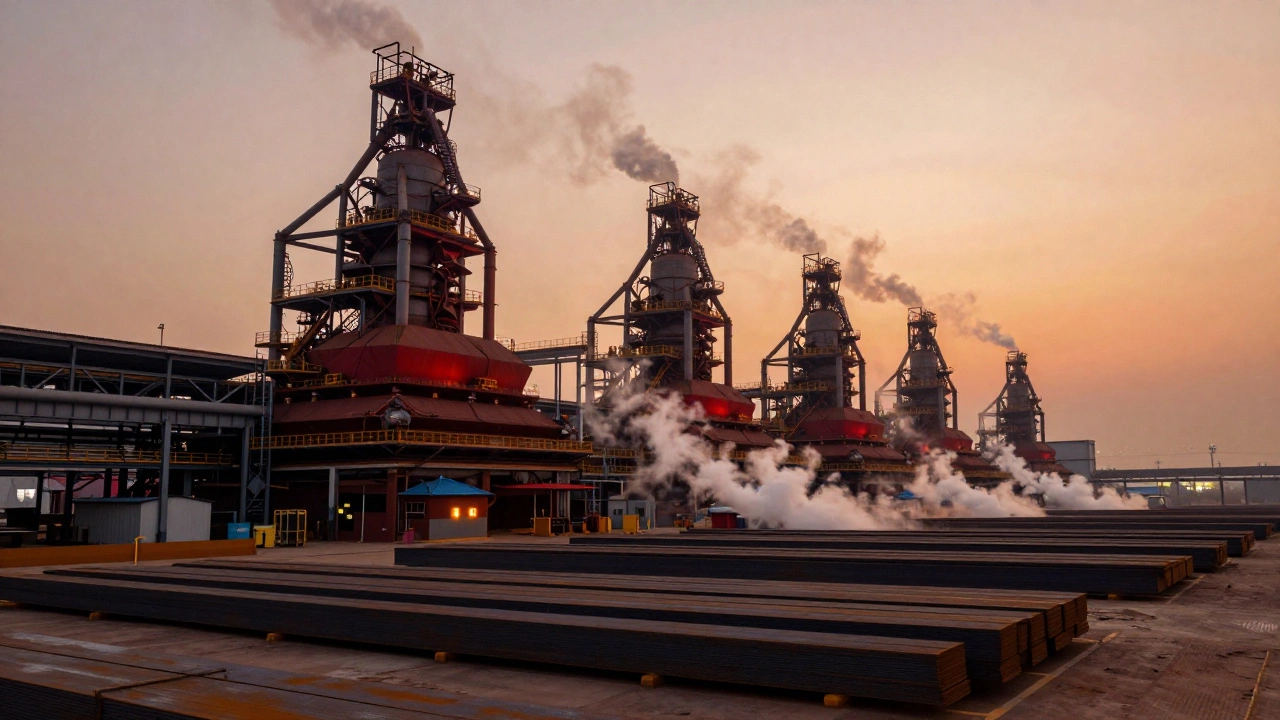
In contrast, China relies heavily on Basic Oxygen Furnaces (BOF), which use iron ore and coal. While BOF can produce massive volumes quickly, it has historically been associated with higher carbon emissions and, in some cases, less consistent quality control due to the sheer scale of output. However, this gap is closing. By 2026, many major Chinese mills have upgraded their technology to meet international standards, producing steel that is chemically identical to top-tier American grades.
| Attribute | United States | China |
|---|---|---|
| Dominant Process | Electric Arc Furnace (EAF) & Integrated Mills | Basic Oxygen Furnace (BOF) & EAF |
| Primary Feedstock | Recycled Scrap Metal | Iron Ore & Coal |
| Production Volume (2025) | ~80 million metric tons | ~970 million metric tons |
| Key Advantage | Consistency, Traceability, Lower Carbon Footprint | Cost Efficiency, Speed, Scale |
| Regulatory Oversight | Strict EPA & OSHA Standards | National Standards (GB), Improving Enforcement |
Quality Control and Regulatory Standards
When engineers talk about "better" steel, they are usually talking about predictability. Will the beam hold up under stress exactly as calculated? In the US, every batch of structural steel must meet strict ASTM (American Society for Testing and Materials) standards. These tests check for tensile strength, yield strength, and ductility. If a batch fails, it doesn’t leave the mill.
Historically, concerns about Chinese steel stemmed from issues with traceability. In the past, some smaller mills might have mixed lower-grade scrap into higher-grade batches to cut costs, leading to inconsistent results. Today, major Chinese producers like Baowu Group adhere to ISO standards and export certifications that mirror Western requirements. However, the risk remains higher when buying from unverified suppliers. The "better" reputation of American steel is largely a trust issue. You know exactly who made it, where it came from, and how it was tested.
Cost Dynamics and Market Forces
If American steel is so much better, why does anyone buy Chinese steel? Price. The cost difference is significant. Chinese steel benefits from state subsidies, lower labor costs, and economies of scale that US manufacturers cannot match. For non-critical applications-like rebar for residential foundations or basic automotive parts-the performance difference is negligible, but the savings are substantial.
However, this cost advantage comes with hidden risks. Tariffs play a huge role here. Since the implementation of Section 232 tariffs, importing steel into the US has become expensive. In 2026, these trade barriers still protect domestic industries but also raise costs for American manufacturers who rely on imported raw materials. When you factor in shipping, duties, and potential delays, the "cheap" Chinese steel sometimes ends up costing more in the long run due to supply chain volatility.
Environmental Impact and Sustainability
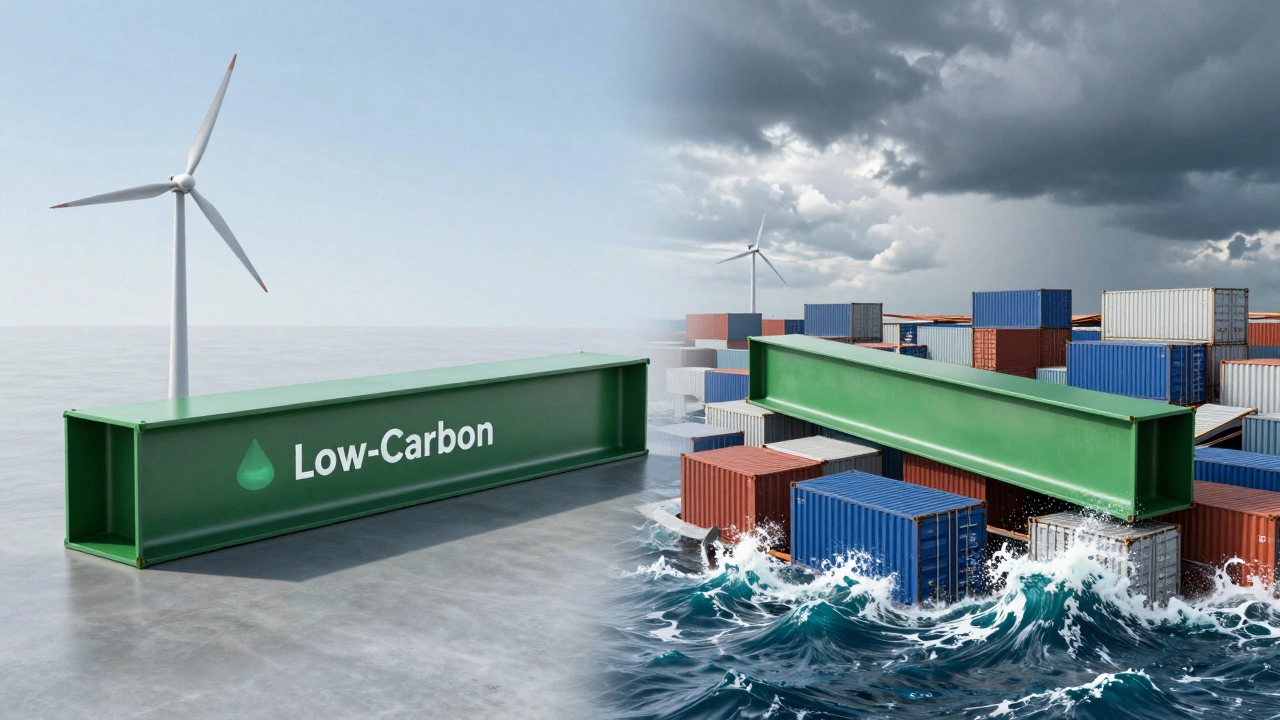
In 2026, sustainability is no longer a buzzword; it’s a requirement. Many large construction projects now require Low-Carbon Steel credentials. This is where American steel shines. Because US mills primarily use recycled scrap and increasingly renewable energy sources, their carbon footprint is significantly lower than traditional BOF methods used in China.
Chinese steel production accounts for nearly half of global CO2 emissions from the sector. While China is investing billions in hydrogen-based steelmaking and green energy, the transition is slow. For companies aiming for net-zero goals, specifying American steel is often the easiest way to reduce embodied carbon in their projects. This environmental edge adds tangible value beyond just physical strength.
Supply Chain Reliability
Imagine you’re building a skyscraper in New York. You need steel delivered on schedule. American steel offers geographic proximity. Shorter shipping distances mean fewer variables. There’s no waiting for a ship to cross the Pacific, no port strikes in Asia, and no geopolitical tensions disrupting logistics.
Chinese steel, while abundant, is subject to global trade winds. Export bans, shipping rate fluctuations, and political tensions can halt deliveries overnight. For critical infrastructure projects, this reliability is worth a premium. American manufacturers offer just-in-time delivery options that integrated Chinese supply chains struggle to match for Western markets.
When to Choose Which?
So, which should you pick? It depends entirely on your project’s needs.
- Choose American Steel if: You are building critical infrastructure (bridges, skyscrapers), require strict traceability for insurance purposes, have sustainability mandates, or need rapid delivery within North America.
- Choose Chinese Steel if: You are working on low-risk, high-volume projects (residential housing, basic fencing), have tight budget constraints, and have verified suppliers with independent third-party testing certificates.
The myth that Chinese steel is "unsafe" is outdated. Modern Chinese steel from reputable mills is safe and effective. But the perception of American superiority persists because it represents a safer bet in terms of consistency, legal recourse, and environmental compliance.
Future Trends in Global Steel
Looking ahead, the gap between American and Chinese steel will continue to narrow technologically but widen environmentally. As carbon taxes increase globally, the cost of dirty steel production will rise. American mills, already positioned as greener producers, may gain a competitive advantage that offsets their higher labor costs. Meanwhile, China’s push for self-sufficiency in high-tech alloys means they will likely dominate specialized steel markets, challenging US dominance in niche sectors.
For buyers, the key takeaway is verification. Whether you buy from Pittsburgh or Shanghai, demand test reports, check certifications, and understand the end-use application. Don’t let national origin be the only deciding factor; let data drive your choice.
Is American steel stronger than Chinese steel?
Not necessarily. Both countries produce steel that meets international strength standards. The difference lies in consistency and traceability. American steel is often perceived as stronger because of stricter quality control processes and rigorous testing protocols that ensure every batch performs predictably under stress.
Why is Chinese steel cheaper?
Chinese steel is cheaper due to lower labor costs, government subsidies, and massive economies of scale. Additionally, China controls a significant portion of the global iron ore and coal supply chain, allowing them to manage input costs more effectively than many Western competitors.
Can I import Chinese steel into the US without tariffs?
Generally, no. Most steel imports into the US are subject to Section 232 tariffs, which range from 25% to 50%. There are limited exemptions for certain countries or specific types of steel, but for most commercial buyers, these tariffs make imported steel significantly more expensive than domestic options.
What is the environmental impact of each?
American steel has a lower carbon footprint because it is primarily produced using Electric Arc Furnaces that recycle scrap metal. Chinese steel production relies heavily on coal-based Basic Oxygen Furnaces, resulting in higher greenhouse gas emissions. However, China is actively investing in green steel technologies to reduce this impact.
How do I verify the quality of imported steel?
Always request Mill Test Reports (MTRs) from the supplier. Look for certifications from recognized bodies like ISO or ASTM. For high-stakes projects, consider hiring an independent third-party inspection agency to test samples before full-scale production or shipment.