Small Manufacturing Product Selector
Find Your Ideal Manufacturing Niche
Answer a few questions about your startup to get personalized recommendations for the best manufacturing products to focus on in 2026.
You are standing at the threshold of starting a manufacturing business, and the biggest question isn't how to run a machine-it's what to put into it. The market is flooded with options, but not every product works for a small-scale operation. In 2026, the landscape has shifted toward sustainability, customization, and local sourcing. If you pick the wrong product, you will burn through capital on inventory that sits on shelves. If you pick the right one, you can build a resilient business with healthy margins.
This guide cuts through the noise to identify which products offer the best balance of demand, profit, and feasibility for small manufacturers. We are not talking about building cars or refining oil. We are talking about products you can produce in a garage, a small workshop, or a modest warehouse with a lean team.
Criteria for Selecting the Right Manufacturing Product
Before looking at specific items, you need a filter. Not every high-demand product is suitable for small-scale production. You need to evaluate three core factors before committing capital.
First, consider the Capital Expenditure The initial investment required to set up the production line, including machinery, raw materials, and facility costs.. Some industries require heavy machinery that costs hundreds of thousands of dollars. For a startup, this is a barrier. You want products where the barrier to entry is low but the value added is high. Second, look at the Regulatory Complexity The level of government oversight, safety standards, and licensing required to produce and sell the product.. Food and pharmaceuticals have strict rules. Textiles and simple plastics are often more forgiving. Third, analyze the Market Velocity How quickly the product sells and turns over inventory.. A product that sits for six months ties up your cash flow. Fast-moving consumer goods are generally safer for small operations.
When you combine these factors, you get a clear picture of feasibility. A product might be popular, but if it requires a $500,000 injection molding machine and six months of FDA approval, it is not a small-scale product. You need agility.
Top Product Categories for Small Scale Manufacturing in 2026
Based on current market trends and supply chain stability, several categories stand out for entrepreneurs entering the space this year. These sectors balance consumer demand with manageable production requirements.
Organic Skincare and Personal Care
The beauty industry continues to favor clean, organic, and locally made products. Consumers in 2026 are more skeptical of mass-produced chemicals than ever before. This creates a niche for small batch manufacturing. You can produce soaps, lotions, serums, and natural deodorants with relatively low equipment costs. The raw materials are widely available, and the shelf life is manageable if you use natural preservatives.
Profit margins in this sector can range from 50% to 70% depending on branding. The key is packaging. Since the product itself is simple, the bottle, label, and unboxing experience drive the perceived value. You do not need a massive factory; a clean room setup in a commercial kitchen or small warehouse often suffices for the initial phase.
Eco-Friendly Packaging Solutions
With stricter waste regulations globally, businesses are desperate for alternatives to single-use plastics. Biodegradable Packaging Packaging materials designed to decompose naturally, reducing environmental impact. is a booming sector. Small manufacturers can produce paper bags, cornstarch-based containers, or mushroom-based packaging. This is B2B focused, meaning you sell to other businesses who need to meet their sustainability goals.
The advantage here is recurring revenue. Once a cafe or restaurant signs a contract with you for their cups and napkins, they rarely switch suppliers. The machinery for paper processing or molding bioplastics has become more affordable and compact. You can start with a single machine and scale as contracts grow.
Custom Furniture and Wood Products
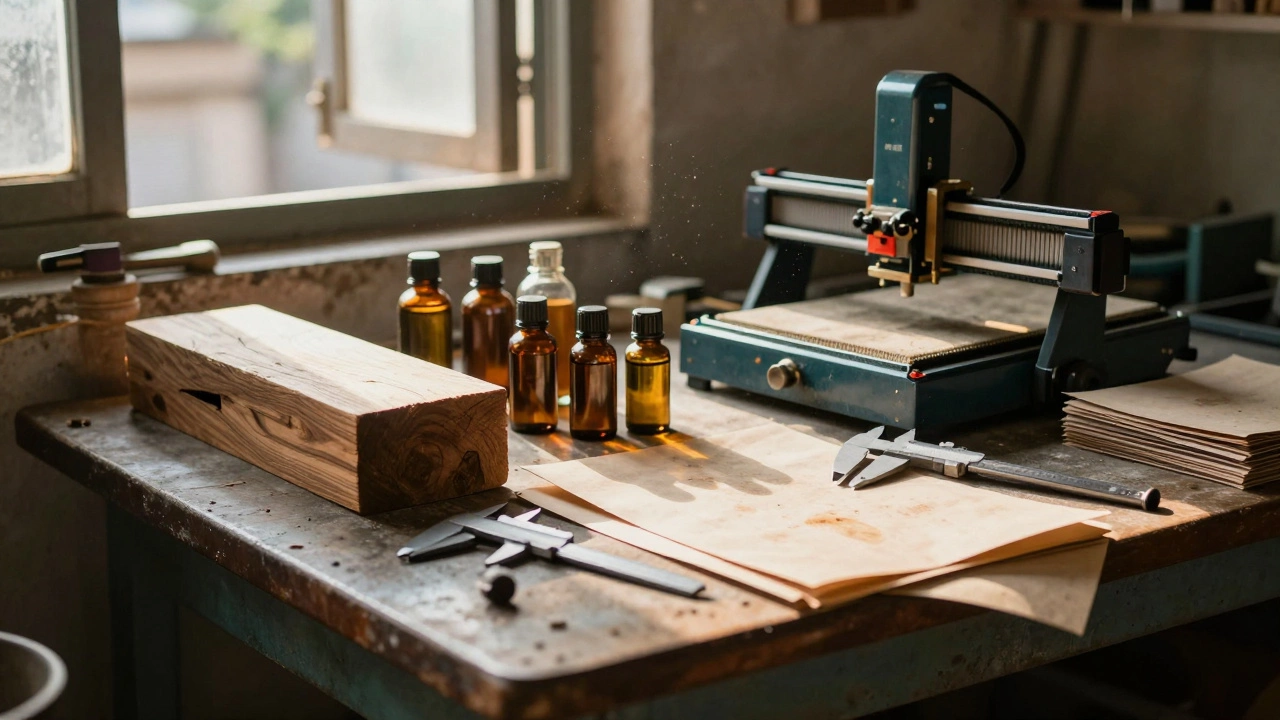
Mass-produced furniture often lacks quality and durability. There is a growing demand for bespoke, handcrafted, or semi-custom wood products. Think of modular shelving, reclaimed wood tables, or specialized storage solutions. Woodworking requires skill more than expensive technology. A small workshop with a table saw, sander, and CNC router can produce high-value items.
The margin on custom furniture is excellent because you are selling craftsmanship. However, the production time per unit is higher. You cannot churn out thousands of units a day. This model works best if you target a premium market that values quality over speed. Logistics can be a challenge due to the size of the products, so local delivery or regional shipping is often the best strategy.
Specialty Food Products
Food manufacturing is high risk due to safety regulations, but the reward is high demand. In 2026, consumers want convenience without sacrificing health. Think of ready-to-eat meal kits, gluten-free snacks, or plant-based protein bars. The challenge is the Food Safety Compliance Adherence to health codes and safety standards to prevent contamination and ensure product safety..
You must navigate local health department inspections and obtain necessary licenses. However, if you focus on a specific niche, like spicy snacks or keto-friendly treats, you can dominate a local market before expanding. Packaging plays a huge role here as well. Vacuum sealing or nitrogen flushing can extend shelf life without preservatives, adding value to your product.
3D Printed Spare Parts
Traditional supply chains are fragile. Many industries face delays in getting spare parts for machinery or appliances. 3D printing allows you to produce on-demand parts without holding inventory. This is a service-based manufacturing model. You scan a broken part, print a replacement, and sell it.
This is particularly useful for automotive, agricultural, and industrial equipment. The initial investment is in high-quality industrial 3D printers and materials. The benefit is zero waste and no storage costs. You only print what is ordered. This fits the modern "just-in-time" manufacturing philosophy perfectly.
| Product Category | Initial Investment | Profit Margin | Regulatory Hurdles | Scalability |
|---|---|---|---|---|
| Organic Skincare | Low ($5k - $20k) | High (50-70%) | Medium | High |
| Eco-Packaging | Medium ($20k - $50k) | Medium (30-40%) | Low | High |
| Custom Furniture | Low ($10k - $30k) | High (40-60%) | Low | Medium |
| Specialty Food | Medium ($15k - $40k) | Medium (30-50%) | High | High |
| 3D Printed Parts | Medium ($25k - $60k) | High (60-80%) | Low | Medium |

Understanding Costs and Investment Requirements
Many entrepreneurs underestimate the hidden costs of manufacturing. It is not just the machine price. You need to account for utility costs, waste disposal, labor, and insurance. In 2026, energy prices remain a significant variable. If your process is energy-intensive, like metal casting, your margins will shrink during peak seasons.
Raw material sourcing is another cost driver. If you rely on imported materials, currency fluctuations can wipe out your profit. For small scale manufacturing, local sourcing is a strategic advantage. It reduces shipping costs and lead times. For example, if you are making furniture, buy wood from local mills. If you are making skincare, source oils from regional producers. This also appeals to the "buy local" consumer sentiment.
Don't forget the cost of failure. In manufacturing, scrap rates are real. You will ruin some batches. You will make mistakes. Factor a 5-10% loss into your budget for the first year. This ensures you don't run out of cash when things go wrong, which they will.
Navigating Regulatory and Compliance Issues
Regulations vary by country and region, but safety is universal. If you are manufacturing food, you need FDA or local health authority approval. This involves regular inspections and strict hygiene protocols. For electronics, you need safety certifications like CE or UL. These certifications cost money and time.
Ignoring compliance is a fast track to shutdown. Before you spend money on branding, spend time on legal. Consult with a manufacturing lawyer. Understand the liability insurance you need. If a customer gets sick from your food or injured by your product, you need coverage. Small businesses often skip this to save money, but one lawsuit can end your operation.
Also, keep an eye on environmental regulations. Waste disposal rules are tightening. If you produce chemical waste or plastic scraps, you must dispose of them correctly. Illegal dumping carries heavy fines. Plan your waste management strategy from day one.

Scaling and Supply Chain Management
Starting small is smart, but you must plan for growth. Can your supplier handle double the order in six months? If you find a great supplier for plastic pellets, ask about their capacity. Don't sign a contract that locks you in if they can't scale with you.
Diversify your suppliers. Relying on a single source is risky. If their factory burns down or they go bankrupt, you stop production. Have a backup plan. For small manufacturers, this might mean having two local suppliers for raw materials. It might cost slightly more, but the security is worth it.
Automation is the next step. As you grow, manual labor becomes a bottleneck. Look for semi-automated machines that reduce human error. In 2026, affordable robotics are available for small workshops. They can handle repetitive tasks like packaging or assembly, freeing you to focus on quality control and sales.
How to Choose Your Product: A Decision Framework
Use this simple checklist to validate your idea before spending money:
- Is there a proven demand for this product in your local area?
- Can you produce a sample within two weeks?
- Is the profit margin at least 30% after all costs?
- Do you have the skills or access to hire people with the skills?
- Are the regulatory requirements manageable for a startup?
- Can you source raw materials locally?
If you answer no to more than two of these, reconsider. Manufacturing is hard enough without fighting against the odds. Pick a product where you have an edge, whether it's knowledge, location, or unique access to materials.
What is the easiest product to manufacture on a small scale?
Organic soaps and candles are often considered the easiest entry points. They require minimal machinery, low startup capital, and have straightforward regulatory requirements compared to food or electronics.
How much capital do I need to start a small manufacturing business?
Capital varies widely. You can start a simple packaging or candle business with $5,000 to $10,000. More complex operations like food processing or 3D printing services may require $20,000 to $50,000 for equipment, licensing, and initial inventory.
Is small scale manufacturing profitable in 2026?
Yes, provided you choose the right niche. Profitability depends on managing costs, minimizing waste, and targeting markets willing to pay a premium for quality or sustainability. Margins of 30-50% are achievable in the right sectors.
Do I need a factory to start manufacturing?
Not necessarily. Many small manufacturers start in garages, home workshops, or rented commercial kitchen spaces. As long as you meet local zoning laws and safety codes, a full-scale factory is not required for the initial phase.
How do I find buyers for my manufactured products?
You can sell directly to consumers via e-commerce platforms or target local businesses for B2B sales. Networking at trade shows, using social media marketing, and listing on local supplier directories are effective strategies for finding initial buyers.