Pharmacist Salary Estimator
Estimated Salary Range
Key Factors:
Pharmacists in India don’t just count pills behind the counter. They’re managing drug supply chains, advising doctors, running community pharmacies, and even working inside large pharmaceutical factories that make medicines for millions. But the big question remains: do pharmacists make good money in India? The answer isn’t simple-it depends on where you work, what you’ve studied, and how much experience you’ve built.
What Pharmacists Actually Do in India
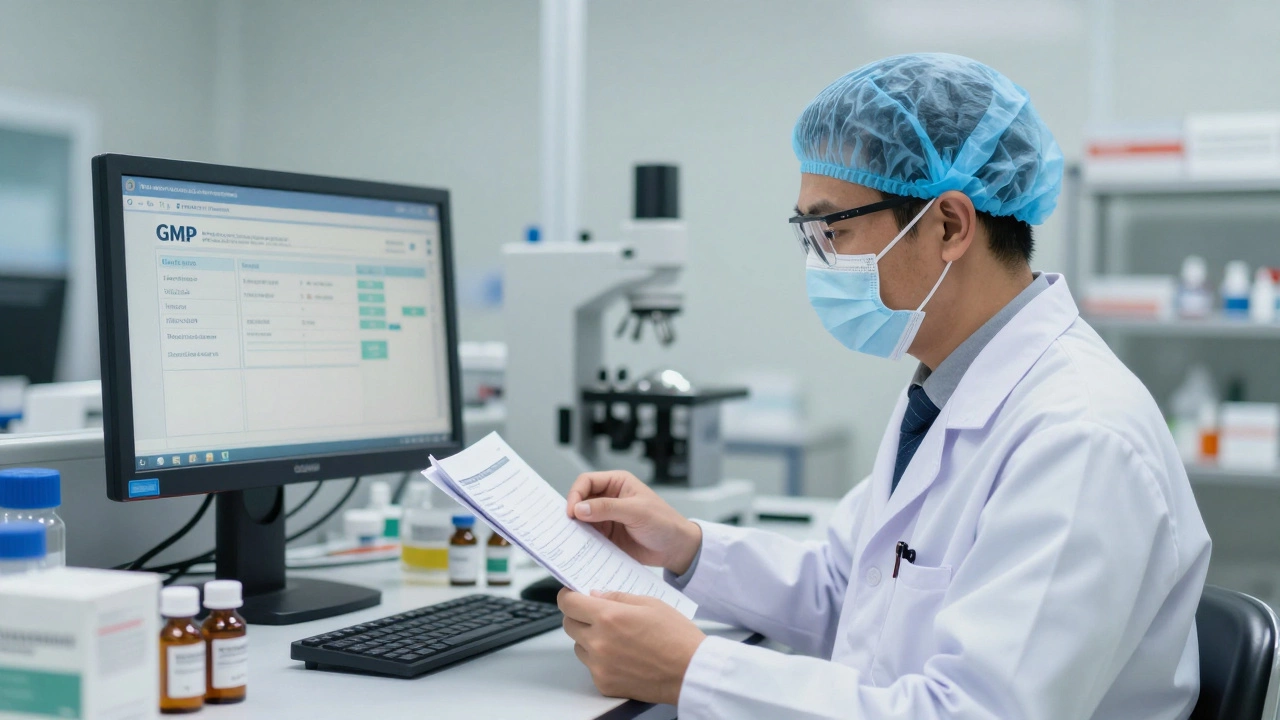
Many people think pharmacists only dispense medicine. That’s true for some, but not all. In India, pharmacists work in hospitals, retail chains like Apollo Pharmacy or MedPlus, government health centers, clinical research labs, and yes-inside pharmaceutical manufacturing plants. Those working in manufacturing handle quality control, batch documentation, regulatory compliance, and even process improvement. These roles require more than a pharmacy degree; they need attention to detail and knowledge of GMP (Good Manufacturing Practices), which is mandatory for all drug makers in India.
For example, a pharmacist working at a plant in Hyderabad producing generic antibiotics has to ensure every batch meets the standards set by the Central Drugs Standard Control Organization (CDSCO). One mistake can lead to a product recall, fines, or worse. That kind of responsibility comes with a price tag.
Salary Ranges by Job Type
There’s no single salary for pharmacists in India. Pay varies widely based on where you work and what your job involves.
- Community Pharmacist (Retail): Starting salaries range from ₹18,000 to ₹25,000 per month. After 3-5 years, experienced pharmacists in metro cities can earn ₹35,000-₹50,000, especially if they manage multiple outlets.
- Hospital Pharmacist: Entry-level positions in private hospitals pay ₹20,000-₹30,000. In top-tier hospitals like AIIMS or Apollo Hospitals, salaries start at ₹35,000 and go up to ₹70,000 for senior roles with clinical responsibilities.
- Pharmaceutical Manufacturing: This is where the real earning potential kicks in. Fresh graduates in manufacturing roles earn ₹25,000-₹35,000. With 3-5 years of experience and GMP certification, you can hit ₹60,000-₹90,000. Senior roles like Quality Assurance Manager or Production Head can cross ₹1.2 lakh per month.
- Government Jobs: Pharmacists in state health departments or central government posts (like in Railways or Defense) earn ₹30,000-₹50,000 after pay commission adjustments. These jobs come with job security, pensions, and medical benefits-making them highly desirable.
One key point: pharmacists working in export-focused pharma companies-like Sun Pharma, Dr. Reddy’s, or Cipla-often earn more because they follow international standards and handle complex documentation for FDA or EMA approvals.
Education and Certifications That Boost Pay
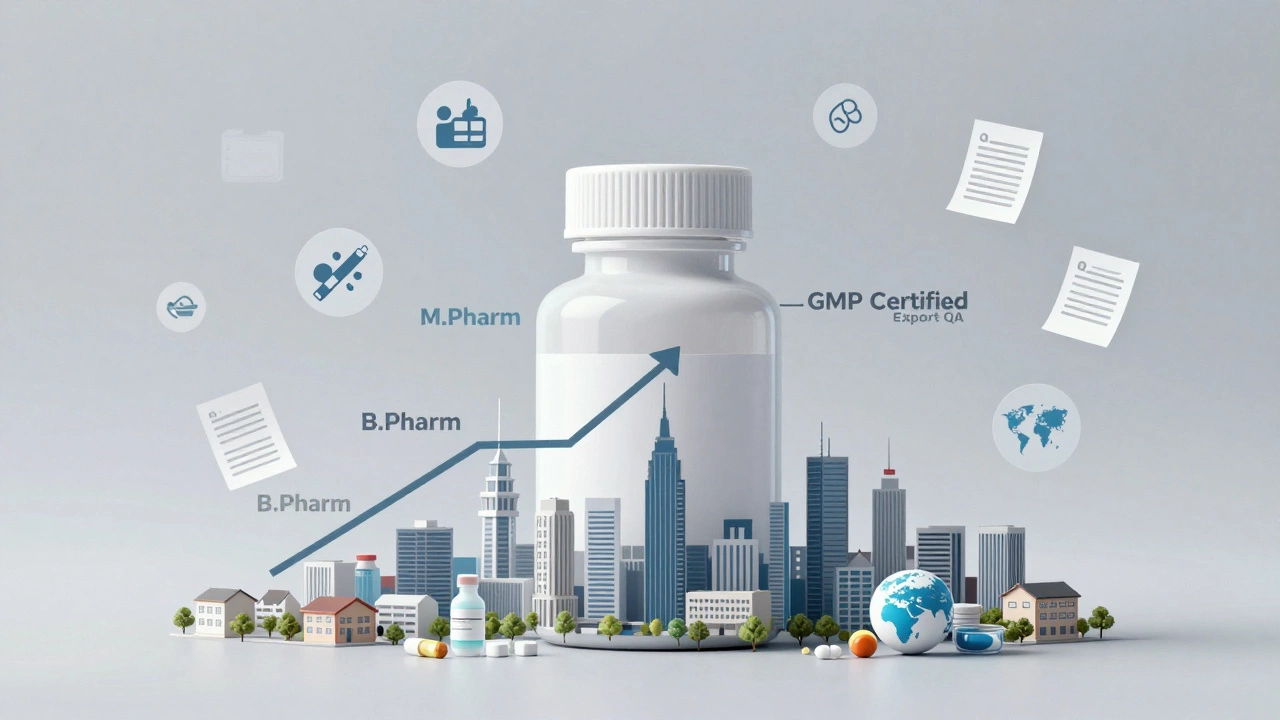
A B.Pharm degree is the minimum. But if you want to earn more, you need more than that.
- M.Pharm: A master’s degree in pharmacology, pharmaceutics, or quality assurance can increase your starting salary by 30-50%. Many manufacturing firms prefer M.Pharm graduates for technical roles.
- GMP Certification: This isn’t optional in pharma manufacturing. Companies pay extra for staff trained in GMP, ISO 13485, or WHO guidelines. A certified pharmacist can earn ₹10,000-₹15,000 more per month than someone without it.
- Regulatory Affairs Certification: If you understand how to file drug applications with CDSCO or FDA, your value shoots up. These roles are rare but highly paid-₹80,000-₹1.5 lakh per month for experienced professionals.
- Specialization in Biologics or APIs: As India pushes to become a global hub for active pharmaceutical ingredients (APIs), pharmacists with expertise in complex synthesis or sterile manufacturing are in high demand. These roles often pay 40% more than general manufacturing positions.

Location Matters-Big Time
Pharmacist salaries aren’t the same in Jaipur and Pune. Cities with major pharma hubs pay more.
- Hyderabad and Bengaluru: These are India’s pharma capitals. Over 60% of India’s drug manufacturing happens here. Salaries are 20-30% higher than the national average. A senior pharmacist in Hyderabad can earn ₹1 lakh+ if working for a multinational.
- Mumbai and Pune: Strong in both manufacturing and distribution. Pay is slightly lower than Hyderabad but still above average. Cost of living is higher, so net savings might be similar.
- Delhi-NCR: More government and hospital jobs. Pay is decent, but competition is fierce.
- Smaller Cities and Towns: Salaries drop to ₹15,000-₹25,000. Fewer opportunities for growth. Many pharmacists here work in small retail shops or clinics with no career ladder.
One pharmacist I spoke to in Baddi (Himachal Pradesh)-a major API manufacturing hub-said his salary jumped 65% when he moved from a small town to Baddi. He didn’t change jobs-he just relocated. That’s how much location affects pay.
Real-World Earnings: A Case Study
Meet Priya. She graduated with a B.Pharm in 2021 from a college in Chennai. She started at a small retail pharmacy earning ₹20,000/month. After six months, she got a job at a mid-sized API manufacturer in Tamil Nadu. Her role: batch record review and documentation. She earned ₹28,000. She studied GMP online, passed the certification, and within two years, she was promoted to Quality Control Officer. Her salary? ₹55,000. Last year, she switched to a company exporting to the EU. Now she earns ₹85,000/month. She’s 27. No MBA. No connections. Just skills and certifications.
Priya’s story isn’t rare. It’s becoming the norm for pharmacists who treat their career like a technical profession-not just a job.
What Holds Pharmacists Back from Earning More
Many pharmacists in India earn less than they should because they stay stuck in outdated roles.
- Sticking to retail only: If you only work in a pharmacy shop, your ceiling is ₹50,000. That’s it. No growth unless you open your own store-which requires capital and business skills.
- Ignoring certifications: A lot of pharmacists think their degree is enough. It’s not. GMP, regulatory affairs, and data integrity training are now basic requirements in manufacturing.
- Not moving to pharma hubs: Staying in a small city limits your exposure to advanced processes and higher-paying employers.
- Not learning English or documentation: If you can’t read or write technical reports in English, you’ll never move into QA, regulatory, or export roles.
The gap between average and high-earning pharmacists isn’t about luck. It’s about choices.
Is It Worth It? The Bottom Line
Do pharmacists make good money in India? Yes-if you’re willing to go beyond the basics.
Entry-level roles pay decently, but real wealth comes from technical expertise, certifications, and location. A pharmacist working in a manufacturing plant in Hyderabad with GMP and M.Pharm can easily earn ₹80,000-₹1.2 lakh per month. That’s more than many engineers, doctors, and even some MBA graduates in early-career roles.
But if you’re happy with ₹20,000/month and don’t plan to grow, then no-it’s not a high-income job. The difference isn’t in the title. It’s in the skills you build after graduation.
India’s pharmaceutical industry is growing fast. By 2030, it’s expected to hit $130 billion in exports. That means more jobs, better pay, and more demand for skilled pharmacists. The question isn’t whether pharmacists make good money. It’s whether you’re ready to become one of the ones who do.
Do pharmacists earn more than doctors in India?
Not usually-at least not early on. Doctors start with higher salaries, especially in private hospitals. But experienced pharmacists in manufacturing, regulatory affairs, or export roles can surpass the earnings of junior doctors. A senior pharmacist with M.Pharm and GMP certification earning ₹1.2 lakh/month can outearn a new MBBS doctor working in a small town.
Can a pharmacist start their own pharma company in India?
Yes, but it’s not easy. You need capital, a manufacturing license from CDSCO, GMP compliance, and a team of experts. Many pharmacists start by working in manufacturing first to learn the ropes. Some launch small-scale API units or contract manufacturing businesses after gaining 5-7 years of experience.
Is there a shortage of skilled pharmacists in India?
There’s a huge shortage of skilled pharmacists in manufacturing and regulatory roles. While there are plenty of pharmacy graduates, most lack training in GMP, quality control, or international compliance. Companies struggle to find people who can handle FDA-style audits or write technical dossiers. That’s why certified professionals get hired quickly and paid well.
Do female pharmacists earn less than male pharmacists in India?
In retail and hospital roles, there’s little to no pay gap. In manufacturing and leadership roles, women are underrepresented, but when they do hold senior positions, their pay is on par with men. The gap isn’t in salary-it’s in access to high-growth roles. More women are entering pharma manufacturing now, and companies are actively recruiting them.
What’s the future of pharmacist salaries in India?
Salaries will keep rising, especially in export-oriented manufacturing. As India pushes to become a top global supplier of medicines, demand for skilled pharmacists in quality control, regulatory affairs, and process engineering will grow. Expect 10-15% annual salary growth in these areas over the next five years.