
Zero-Capital Manufacturing Profitability Calculator
Determine if your low-cost manufacturing idea is viable by analyzing your costs against your pricing strategy. Aim for a minimum 30% margin to ensure business stability.
Input Your Business Metrics
Financial Analysis
Awaiting DataMost people think starting a manufacturing business requires a factory, heavy machinery, and a massive bank loan. That is not true anymore. In 2026, the barrier to entry for physical product creation has dropped significantly due to digital supply chains and on-demand logistics. You do not need cash to start; you need a specific type of product that solves a local problem or fills a niche gap online.
The "easiest" business is defined by three factors: low upfront inventory risk, simple production processes, and immediate customer access. If you are sitting at home with just a laptop and a small amount of time, you can launch a profitable production line within 30 days. This guide breaks down the most viable options for someone starting from zero capital.
Why Low-Cost Manufacturing Works Better Than Service Jobs
Service businesses rely entirely on your time. Stop working, stop earning. Manufacturing creates an asset. Once you have a system to produce a good, it can be scaled without linearly increasing your labor hours. The key to starting with no money is avoiding the trap of buying equipment before you have sales.
You should focus on Digital Prototyping is a method where designs are created using software and tested virtually before any physical material is cut or molded. This allows you to verify demand without spending a cent on raw materials. If you can design a product in CAD (Computer-Aided Design) software and show it to potential buyers, you have a prototype. The only cost is your time learning the software, which is free via open-source tools like Blender or Tinkercad.
Top 5 Easiest Zero-Capital Manufacturing Ideas
Here are the five most accessible models for launching a physical product business without initial funding.
- Print-on-Demand Apparel & Accessories
This is the gold standard for zero-risk manufacturing. You design a graphic, upload it to a platform like Printful or Printify, and list it on Shopify or Etsy. When a customer buys a t-shirt, the supplier prints, packs, and ships it. Your margin is the difference between the retail price and the base cost. No inventory, no shipping handling, no printing press required. - Handmade Candles & Soaps
If you have a kitchen, you have a factory. Soy wax and essential oils are cheap commodities. The barrier here is branding, not production. You can sell locally at farmers' markets (cash in hand) or ship via flat-rate boxes. The production process is simple: melt, pour, cure, label. Total startup cost can be under $100 if you buy bulk supplies only after securing pre-orders. - 3D Printed Custom Parts
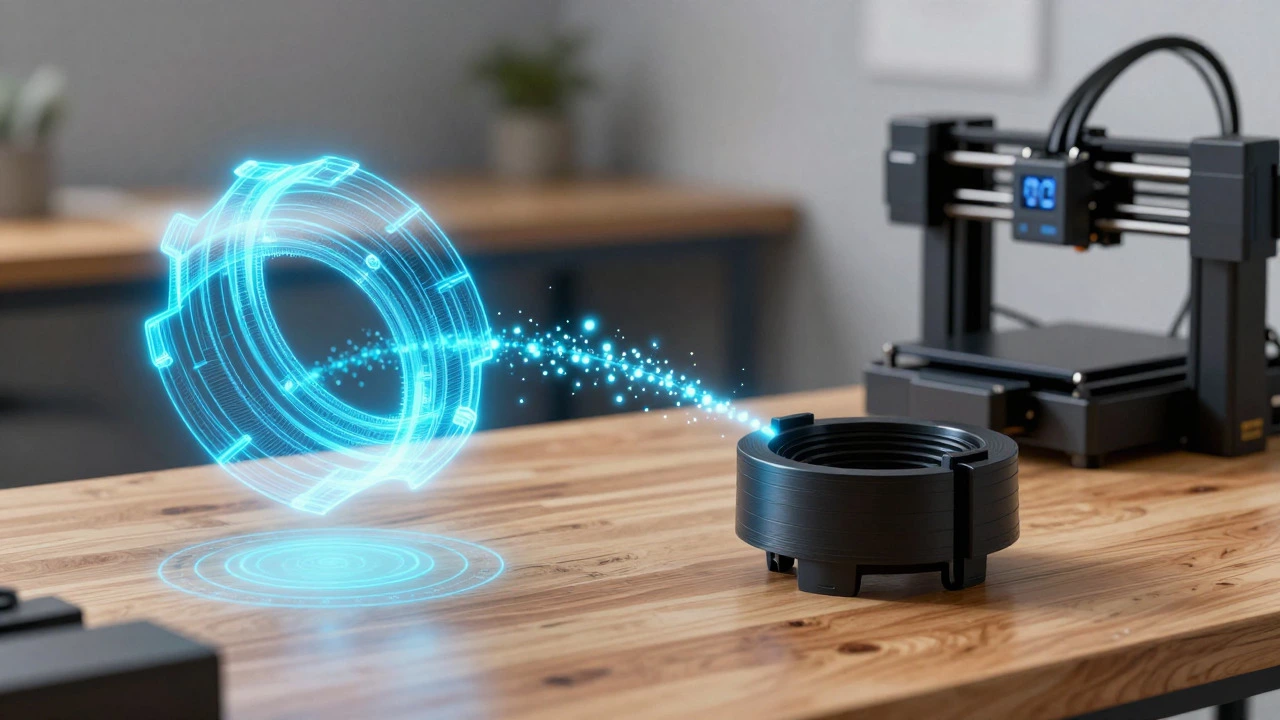
Many small businesses and hobbyists need custom brackets, phone stands, or replacement parts that are discontinued. If you can borrow or rent a 3D printer, or partner with a local maker space, you can sell functional plastic goods. This is Additive Manufacturing is a process of building objects layer by layer from digital 3D models, allowing for complex geometries impossible with traditional machining. It is perfect for niche B2B clients who cannot wait for mass-produced alternatives. - Packaging & Unboxing Experiences
E-commerce brands struggle with unboxing. Create custom tissue paper, stickers, and thank-you cards for small online stores. You can print these at home or use a local print shop that offers pay-per-sheet services. Sell them as bundles. This is technically manufacturing because you are creating physical branded assets for other companies. - Resale Refurbishment
Buy broken electronics or furniture from local auctions, fix them, and resell. This is circular manufacturing. You add value through repair and cleaning. The "raw material" is waste. The profit comes from your skill in troubleshooting and aesthetic improvement.
The Pre-Sale Strategy: How to Fund Your First Batch
The biggest mistake new manufacturers make is producing stock before selling it. To avoid this, use the pre-sale model. Create a mockup of your product. Take photos of similar existing products to create a visual representation. Post this on social media or a landing page with a "Pre-Order Now" button.
Offer a discount for early birds. Use the collected funds to buy your raw materials. This shifts the financial burden from you to the customer. For example, if you want to sell handmade soap, post a video of you making a sample. Ask followers to pre-order a box for 20% off. Collect the money. Buy the soap base and molds. Make the soap. Ship it. Profit.
| Business Model | Startup Cost | Time to First Sale | Scalability | Primary Skill Required |
|---|---|---|---|---|
| Print-on-Demand | $0 | 1-3 Days | High | Graphic Design / Marketing |
| Handmade Goods | <$100 | 1-2 Weeks | Medium | Craftsmanship / Local Networking |
| 3D Printing | $0 (if borrowing) | 2-4 Weeks | Medium-High | CAD Modeling / Niche Research |
| Refurbishment | Variable | Immediate | Low | Technical Repair / Sourcing |
Where to Find Customers Without Ad Spend
You don't need Facebook ads to find customers. You need communities. Identify where your target audience already hangs out. If you are selling custom 3D printed phone stands, go to Reddit threads about desk setups. If you are selling candles, join local community groups on Nextdoor or Facebook Marketplace.
Engage genuinely. Answer questions. Share behind-the-scenes content. When you launch, your first 10 customers will come from these warm connections. Word-of-mouth is the most powerful marketing tool for small-scale Micro-Manufacturing is the production of small batches of goods often customized to individual customer specifications, typically operated from home or small workshops.. One happy customer referring you to two friends is more valuable than a thousand cold clicks.

Common Pitfalls to Avoid
- Over-Engineering: Don't spend weeks perfecting the product design. Launch with version 1.0. Iterate based on feedback.
- Ignoring Unit Economics: Know exactly how much each unit costs to make, including packaging and shipping labels. If your margin is less than 30%, the business is fragile.
- Chasing Trends: Trendy items die fast. Focus on evergreen needs or strong identity-based niches (e.g., "for dog lovers" rather than "viral TikTok toy").
- Underpricing: Beginners often price too low to compete. Price based on value and perceived quality, not just cost plus a small buffer.
Scaling From Home to Warehouse
Once you have consistent sales, you will hit a ceiling. Your home kitchen or garage will become too small. This is when you look into co-packing facilities or hiring contract manufacturers. But only do this when you have proven demand. Do not sign a lease on a warehouse until you have sold out of your last three batches.
The path from zero to scalable manufacturing is a series of small wins. Validate the idea. Secure pre-sales. Produce the minimum viable batch. Deliver excellent customer service. Repeat. The ease of starting lies in the flexibility of these steps. You control the pace, and you control the risk.
Do I need a business license to start a no-money manufacturing business?
Yes, even for home-based operations. Most regions require a basic sole proprietorship registration or a general business license. Check your local council or government website for specific requirements regarding food safety (if selling consumables) or zoning laws for home industries.
What is the fastest way to get my first sale?
Sell to your personal network first. Offer a special "founder's discount" to friends and family. Their testimonials and social proof will help convert strangers later. Direct outreach to local influencers or micro-communities also yields quick results.
Can I manufacture digital products and still call it manufacturing?
Technically, yes, but the term usually implies physical goods. However, digital products like e-books or templates share the same low-overhead structure. If you want to stay in the physical space, stick to tangible goods to align with consumer expectations of "manufacturing."
How do I handle shipping without paying high fees?
Negotiate rates with local courier providers once you reach a certain volume. Alternatively, use marketplace platforms like eBay or Amazon FBA which offer discounted shipping labels for sellers. Keep your packaging lightweight to reduce dimensional weight costs.
Is it better to buy wholesale materials or make everything from scratch?
Start with wholesale components to save time and ensure consistency. Making every component from scratch increases complexity and error rates. Only move to full vertical integration (making all parts yourself) when your brand is established and margins allow for it.