Manufacturing Sector Opportunity Analyzer
EV Components
Battery casings, lightweight chassis parts, and charging hardware.
High Growth (>25%)Sustainable Packaging
Biodegradable containers, molded fiber, and cornstarch cushioning.
Low Entry BarrierRenewable Energy Infra
Solar mounting structures, inverters, and smart grid components.
Gov SubsidiesMedical & Health Tech
Wearable sensors, home diagnostic devices, and sterile packaging.
Strict RegulationSmart Home / IoT
PCB assembly, device enclosures, and connectivity modules.
Moderate EntrySector Analysis
Select a sector above to view detailed metrics and strategic insights.
Everyone wants a piece of the growth pie. But when you ask "who is the fastest growing business?" in the manufacturing sector, the answer isn't a single company name. It’s a specific set of industries that are exploding right now. If you are looking to start or invest in a manufacturing venture in 2026, chasing old trends like basic textiles or generic plastic toys will leave you behind. The real money and momentum are shifting toward sectors driven by urgent global needs: energy transition, sustainability, and digital integration.
The landscape has changed dramatically since 2023. Supply chain shocks taught us that local production matters. Climate regulations forced companies to rethink materials. And the electric vehicle (EV) boom created a massive hunger for new components. This article breaks down exactly which manufacturing niches are seeing double-digit growth rates, why they are booming, and how you can position yourself to capture that value. We aren't just listing ideas; we are analyzing the mechanics behind their rapid expansion so you can make informed decisions.
The Electric Vehicle Component Boom
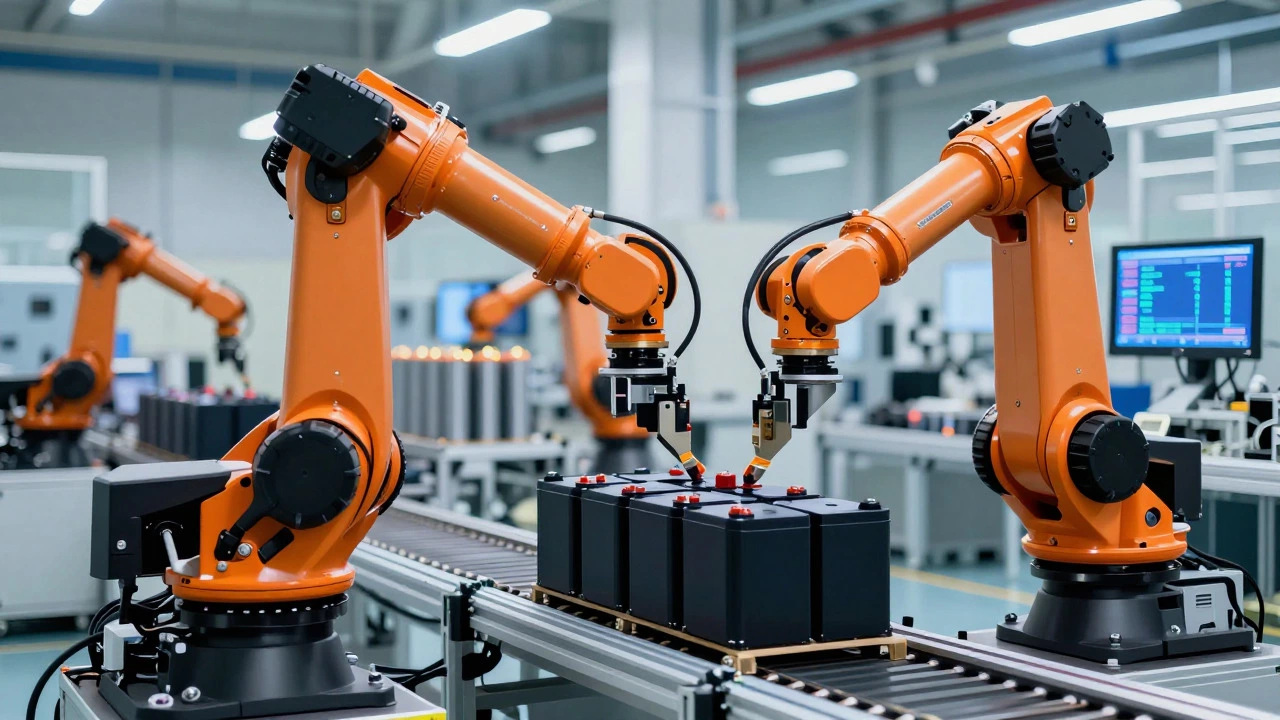
If there is one clear winner in the "fastest growing" category, it is the ecosystem surrounding Electric Vehicles, specifically the manufacturing of their core components. While car assembly remains dominated by giants, the supply chain for parts is wide open for agile manufacturers. The shift from internal combustion engines to electric drivetrains has dismantled decades-old supply chains and built new ones overnight.
The most lucrative opportunity here lies in battery management systems and lightweight structural components. Cars need to be lighter to maximize range, creating a surge in demand for carbon fiber composites and advanced aluminum alloys. A small-scale manufacturer specializing in precision-molded battery casings or heat-dissipating components for EV chargers can secure contracts with both major automakers and second-tier suppliers. The growth rate in this sector exceeds 25% annually because every new EV model requires these specialized parts, and legacy manufacturers are too slow to pivot.
| Niche | Entry Barrier | Growth Driver | Profit Margin Potential |
|---|---|---|---|
| Battery Casings | Medium | Mandatory safety standards | High |
| Lightweight Chassis Parts | High | Range efficiency requirements | Very High |
| Charging Station Hardware | Low-Medium | Infrastructure build-out | Medium |
Sustainable Packaging Production
Plastic bans are no longer just talk; they are law in many regions across Europe, North America, and increasingly in Asia. This regulatory pressure has turned biodegradable packaging into one of the fastest-growing manufacturing businesses globally. Companies are desperate to replace single-use plastics with alternatives that look good, function well, and decompose safely.
The key here is material innovation. You aren't just making paper boxes anymore. The high-growth area is in molded fiber products made from agricultural waste like bagasse (sugarcane residue), wheat straw, or mushroom mycelium. These materials are cheap raw inputs but require specific processing technology to turn them into durable containers for food delivery or e-commerce shipping. Because consumer sentiment heavily favors eco-friendly brands, companies pay a premium for certified compostable packaging. If you can manufacture high-quality, leak-proof bioplastic cutlery or cushioning peanuts from cornstarch, you have a product with immediate market fit and recurring revenue potential.

Renewable Energy Infrastructure Components
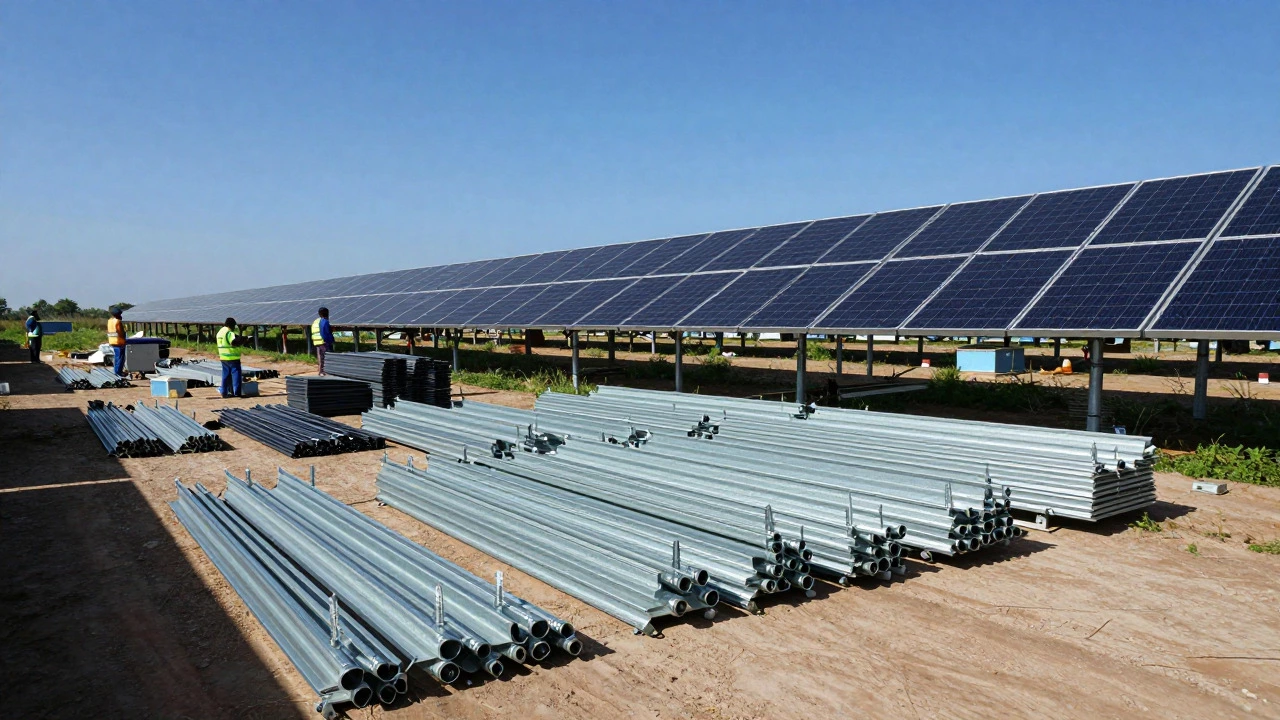
As the world pivots to green energy, the physical infrastructure required to support it is being manufactured at an unprecedented pace. Solar panels and wind turbines are obvious, but the real hidden gem is in the supporting hardware. Solar mounting structures, inverters, and smart grid components are seeing explosive demand. Every solar farm installed requires thousands of brackets, rails, and connectors. Every rooftop installation needs customized racking systems.
This sector benefits from government subsidies and tax incentives that lower the cost of entry for buyers, thereby increasing volume for manufacturers. Unlike consumer goods, where trends fade, energy infrastructure is a long-term commitment. Once a solar array is installed, it lasts for 25 years, meaning the initial manufacturing burst is substantial. Furthermore, the rise of residential battery storage systems creates a parallel demand for housing units and thermal management systems, offering another layer of manufacturing opportunities within the same vertical.
Medical Device and Personal Health Tech
The pandemic accelerated the adoption of remote health monitoring, and that trend is sticking. The manufacturing of wearable health sensors and home diagnostic devices is growing rapidly. People want to track their blood pressure, glucose levels, and heart rate without visiting a clinic. This shift has created a massive market for affordable, disposable, or semi-disposable medical consumables and compact electronic devices.
You don't need to build an MRI machine to profit here. Consider manufacturing sterile packaging for test kits, plastic housings for pulse oximeters, or even the simple cardboard inserts for telehealth starter kits. The regulatory environment is strict, yes, but once you gain certification, you enjoy high barriers to entry that protect your market share. The aging population in developed countries ensures that demand for these health-tech peripherals will only increase, making it a stable, high-growth bet.
Smart Home and IoT Hardware
Our homes are getting smarter, and that means more hardware is needed inside the walls and on the shelves. Internet of Things (IoT) devices range from smart thermostats to security cameras and automated lighting controls. The manufacturing side involves producing the enclosures, circuit board assemblies, and connectivity modules that make these devices work.
The growth driver here is convenience and energy savings. As electricity prices fluctuate, homeowners are investing in smart devices that optimize energy usage. Manufacturers who can produce low-cost, reliable PCBs (Printed Circuit Boards) or sleek, minimalist enclosures for white-label smart home brands are in a strong position. The barrier to entry is moderate, requiring expertise in electronics assembly rather than heavy industrial machinery. This makes it accessible for smaller manufacturing startups that can iterate quickly based on feedback from tech companies.
How to Validate Your Manufacturing Idea
Identifying a fast-growing sector is step one. Validating your specific place in that sector is step two. Before you buy machinery, run these checks:
- Supply Chain Resilience: Can you source raw materials locally? If your bioplastic feedstock comes from a single country with political instability, your margins are at risk. Diversify suppliers early.
- Regulatory Compliance: Does your product require FDA approval, CE marking, or ISO certification? Factor the time and cost of compliance into your launch timeline. In medical and food packaging, this is non-negotiable.
- Minimum Order Quantity (MOQ): Who are your first customers? Large corporations often demand huge MOQs. Startups might prefer smaller batches. Tailor your production line flexibility to your target buyer.
- Scalability: Can you ramp up production if demand spikes? Modular manufacturing setups allow you to add capacity without rebuilding your entire facility.
The fastest-growing businesses are those that solve immediate pain points with scalable solutions. Whether it's helping a car go further on a charge, keeping food fresh without plastic, or monitoring a patient's health from home, the common thread is utility combined with modern values like sustainability and digital connectivity. Focus on these intersections, and you won't just be part of the growth-you'll drive it.
What is the easiest manufacturing business to start in 2026?
Sustainable packaging production is often considered one of the easiest entry points due to lower regulatory hurdles compared to medical devices or automotive parts. With access to basic molding equipment and local agricultural waste as raw material, you can produce biodegradable containers with relatively low capital investment.
Is EV component manufacturing still profitable?
Yes, highly. The global shift to electric vehicles is accelerating, not slowing down. Specialized components like battery casings and lightweight chassis parts have high profit margins because they require precision engineering and offer significant performance benefits to the final vehicle.
Which manufacturing sector has the highest growth rate?
The renewable energy infrastructure sector, particularly solar mounting systems and smart grid components, is experiencing some of the highest growth rates due to government mandates and the urgent need to decarbonize power grids worldwide.
Do I need a large factory to start a manufacturing business?
Not necessarily. Many high-growth niches like IoT device assembly or custom packaging can be started in small warehouses or shared manufacturing spaces. The key is having the right technology and skilled labor, not square footage.
How do I find buyers for my manufactured goods?
Start by identifying secondary suppliers who serve larger brands. For example, instead of trying to sell directly to Tesla, sell battery casings to Tier 2 suppliers who already have contracts with them. Attend industry trade shows and use B2B platforms like Alibaba or ThomasNet to connect with procurement managers.