Jodhpur Furniture Matchmaker
You might think Mumbai or Delhi holds the crown for style and sales, but when it comes to actual production volume and export dominance, the answer is surprisingly specific. Jodhpur is widely recognized as the furniture capital of India. Located in Rajasthan, this city doesn't just make chairs; it crafts a significant portion of the world's wooden furniture, particularly for Western markets.
If you are a buyer, a manufacturer, or just curious about where your next bookshelf likely came from, understanding why Jodhpur earned this title matters. It’s not just about tradition. It’s about a perfect storm of raw material access, skilled labor clusters, and export logistics that other cities haven’t quite matched yet.
Why Jodhpur Holds the Title
The designation isn't arbitrary. Jodhpur accounts for a massive share of India’s total furniture exports. Estimates often place its contribution between 40% to 60% of the country's wooden furniture exports, depending on the year and market conditions. This dominance stems from deep-rooted craftsmanship passed down through generations.
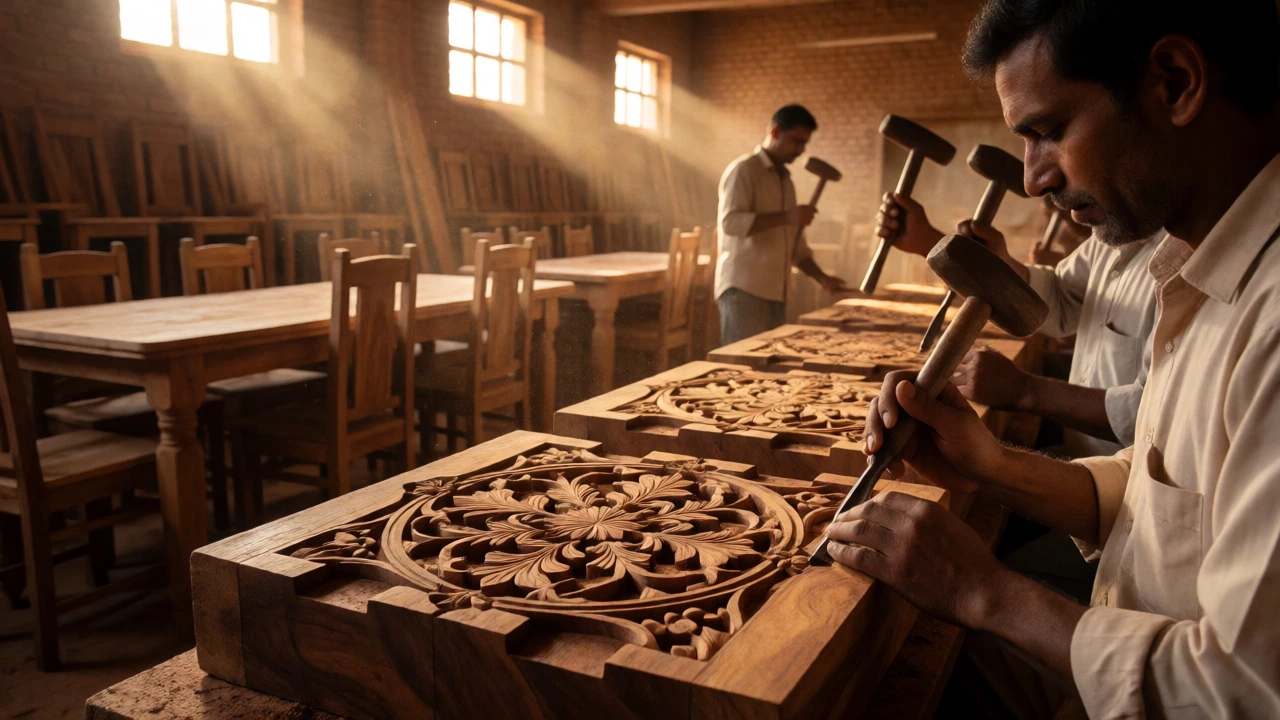
The local artisans specialize in intricate carvings, robust joinery, and finishes that appeal specifically to European and North American tastes. Unlike mass-produced flat-pack furniture, Jodhpur’s output leans heavily into solid wood pieces-teak, mango, and sheesham (Indian rosewood). These materials are durable, aesthetically pleasing, and align with the global trend toward sustainable, long-lasting home decor.
| City/Region | Primary Specialization | Market Focus | Material Preference |
|---|---|---|---|
| Jodhpur | Hand-carved wooden furniture, antique reproductions | Export (USA, Europe) | Teak, Mango, Sheesham |
| Moradabad | Metal furniture, brass inlay work | Export & Domestic Luxury | Brass, Iron, Wood combinations |
| Saharanpur | Wood carving, ornate designs | Domestic Premium, Export | Sheesham, Pine |
| Ahmedabad | Industrial furniture, office solutions | Domestic Commercial | Steel, Plywood, Laminate |
The Supply Chain Advantage
One reason Jodhpur outpaces competitors like Saharanpur or Moradabad is supply chain efficiency. The region sits close to major timber sources and has developed a specialized ecosystem of suppliers for hardware, polish, and packaging. This proximity reduces lead times significantly.
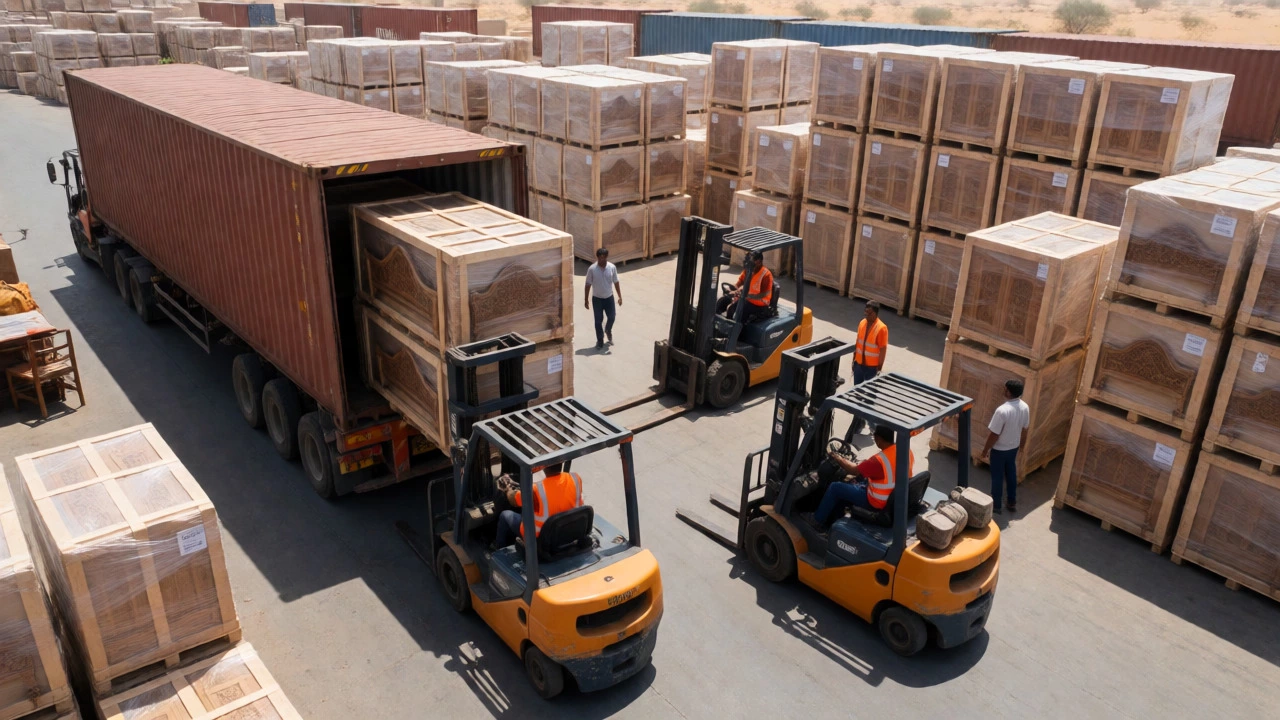
When a US retailer places an order for 500 dining tables, a Jodhpur manufacturer can source the mango wood locally, engage nearby carpenters, and ship via the nearest port in Kandla or Mundra within weeks. Compare this to fragmented hubs where sourcing components might take longer, and the advantage becomes clear. Time-to-market is critical in the furniture trade, especially during peak seasons like Black Friday or Christmas.
Types of Furniture Produced
While "furniture" is a broad term, Jodhpur’s reputation rests on specific categories. You won’t find much plastic or modular kitchen units here. Instead, the focus is on:
- Bedroom Sets: Carved headboards, dressing tables, and wardrobes made from solid teak or mango wood.
- Dining Collections: Large, sturdy tables and chairs designed for family gatherings, often featuring traditional Rajasthani motifs.
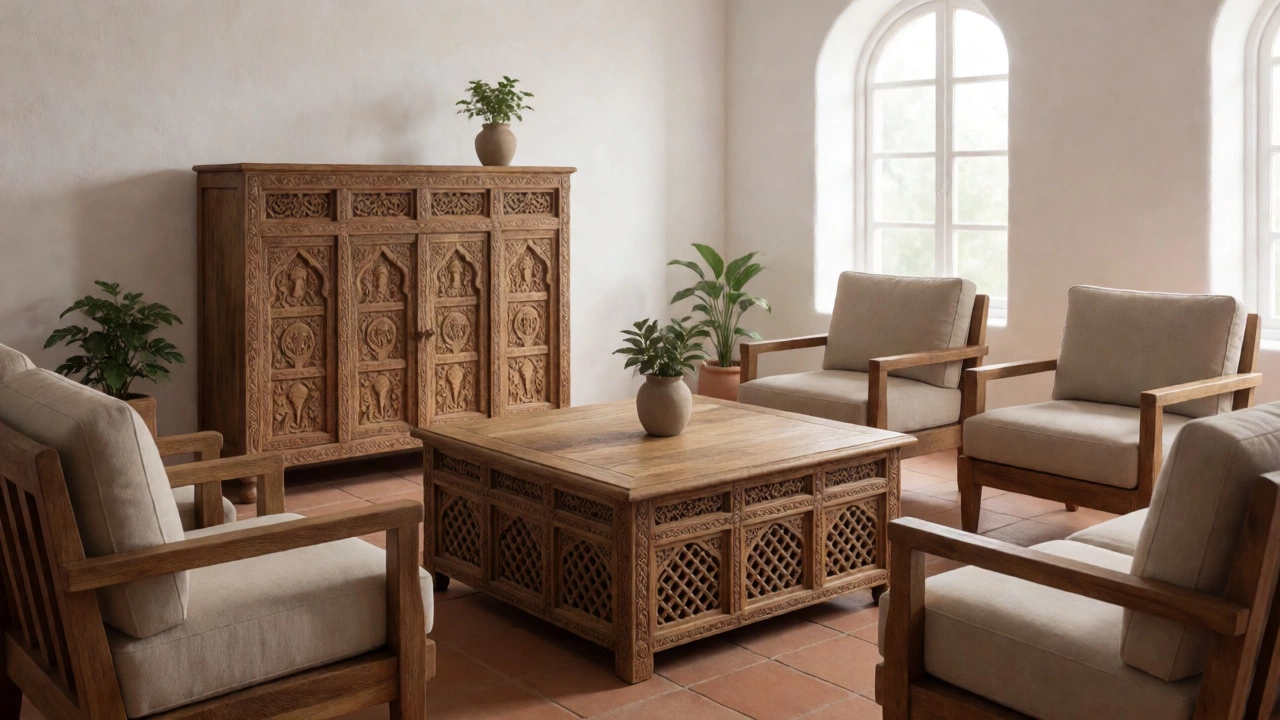
- Living Room Accents: Coffee tables, sideboards, and console tables with intricate lattice work or jali patterns.
- Outdoor Furniture: Weather-resistant wooden sets, increasingly popular for patios and gardens in cooler climates.
This specialization allows manufacturers to refine their techniques. A workshop in Jodhpur doesn't try to be everything to everyone. They master the art of turning raw logs into polished, export-ready pieces. This depth of expertise creates a barrier to entry for new players who lack the same generational knowledge.
Economic Impact and Employment
The furniture industry in Jodhpur isn't just big business; it’s a livelihood engine. Thousands of families depend directly on woodworking. From the sawyers cutting logs to the finishers applying varnish, the labor-intensive nature of handcrafted furniture means jobs stay local. Mechanization hasn't fully replaced human skill here because buyers pay for the imperfections that prove authenticity.
For the broader Indian economy, Jodhpur serves as a crucial forex earner. Furniture exports contribute billions of rupees annually. When global demand dips, the ripple effects are felt immediately in the local markets of Jodhpur. Conversely, when Western consumers shift away from fast-furniture brands like IKEA toward artisanal goods, Jodhpur sees a boom.
Challenges Facing the Capital
No industry runs without friction. Jodhpur faces real hurdles that could threaten its status. First, sustainability concerns are mounting. Harvesting teak and sheesham requires strict adherence to environmental regulations. Illegal logging remains a risk, though certification bodies like FSC (Forest Stewardship Council) are gaining traction among serious exporters.
Second, competition from Vietnam and China is fierce. These countries offer lower labor costs and have invested heavily in automated production lines. While they may lack the artisanal charm of Jodhpur, they win on price for standardized items. To stay ahead, Jodhpur must continue innovating in design while maintaining cost competitiveness.
Third, logistics infrastructure needs upgrades. While ports are accessible, road connectivity within the cluster can get congested. Delays in transportation add costs and erode margins. Government initiatives under the 'Make in India' program aim to address these gaps, but progress is gradual.
How to Source from the Furniture Capital
If you’re looking to buy directly from Jodhpur, whether as a retailer or a homeowner, here’s what you need to know. Most transactions happen through established exporters rather than individual workshops. Visiting the city offers a chance to see quality firsthand, but digital platforms are making remote sourcing easier.
- Verify Certifications: Ensure the supplier has valid export licenses and wood certifications. This protects you from legal issues regarding endangered species.
- Request Samples: Never commit to bulk orders without seeing physical samples. Photos can be misleading regarding color and finish.
- Negotiate Incoterms: Clarify if prices include shipping and insurance. FOB (Free on Board) vs. CIF (Cost, Insurance, and Freight) makes a huge difference in final costs.
- Check Lead Times: Handcrafted items take time. Build buffer periods into your inventory planning.
Beyond Jodhpur: Other Contenders
While Jodhpur wears the crown, other cities play vital roles. Moradabad in Uttar Pradesh is known as the "Brass City." If your interest lies in metal-inlaid furniture or decorative pieces, Moradabad is the go-to hub. Their craftsmanship involves embedding brass strips into wood, creating unique visual textures.
Saharanpur, also in UP, rivals Jodhpur in wood carving excellence. Many pieces sold as "Jodhpur-made" actually originate from Saharanpur workshops due to cross-border trade dynamics. The distinction blurs, but both regions uphold high standards of artistry.
For modern, industrial-style furniture, look toward Ahmedabad and Surat in Gujarat. These centers leverage steel and engineered wood more aggressively, catering to corporate offices and urban apartments where space-saving and durability trump ornate design.
The Future of Indian Furniture
The narrative around Indian furniture is shifting. Consumers globally are becoming more conscious of provenance. Knowing that a table was hand-carved by a third-generation artisan in Jodhpur adds value beyond utility. Brands are leveraging this story to justify premium pricing.
Technology is entering the mix too. CAD designs allow for faster prototyping, while e-commerce platforms connect small artisans directly with international buyers, bypassing middlemen. This democratization ensures that smaller workshops can compete alongside large factories.
However, the core identity remains unchanged. Jodhpur’s strength lies in blending heritage with adaptability. As long as global demand for authentic, durable, and ethically sourced wood products persists, Jodhpur will likely retain its title as the furniture capital of India.
Which city is known as the furniture capital of India?
Jodhpur, located in Rajasthan, is widely considered the furniture capital of India. It dominates the export market for wooden furniture, particularly solid wood pieces like teak and mango wood.
What types of furniture does Jodhpur produce?
Jodhpur specializes in hand-carved wooden furniture, including bedroom sets, dining tables, living room accents, and outdoor furniture. The focus is on traditional designs using durable woods like teak, sheesham, and mango.
Is Jodhpur furniture good quality?
Yes, Jodhpur furniture is renowned for its high quality and durability. Artisans use traditional joinery techniques and solid woods, resulting in pieces that last decades. However, quality can vary between workshops, so vetting suppliers is essential.
Which other cities are major furniture hubs in India?
Other major hubs include Moradabad (known for brass and metal furniture), Saharanpur (renowned for intricate wood carving), and Ahmedabad (focused on industrial and office furniture).
Can I buy furniture directly from Jodhpur?
Yes, many exporters and workshops sell directly to retailers and individuals. Buying direct often requires navigating logistics and customs yourself, but it can result in better pricing and customization options compared to buying through retail chains.