Indian Chemical Market Growth Simulator (2026–2030)
Select a segment to see its 2026 baseline vs. 2030 projection. The bars represent market value in USD Billion.
Walk into any industrial zone in Gujarat or Maharashtra and you will see the scale of India's chemical industry is a massive economic engine contributing over $150 billion to the national GDP. It is not just about big factories; it is a complex web of small-scale units, global giants, and government policies that make it one of the fastest-growing markets in the world. If you are looking at investment opportunities or trying to understand supply chains, knowing the exact size and structure is critical.
This article breaks down the real numbers behind the sector. We will look at the current market valuation, the specific segments driving growth, and the challenges that keep this industry from reaching its full potential. By the end, you will have a clear picture of where the money is flowing and why this sector matters for the broader economy.
Current Market Size and Valuation
As of 2026, the total addressable market for chemicals in India sits at approximately $180 billion to $200 billion. This figure includes everything from basic inorganic compounds to high-value specialty chemicals. The sector contributes roughly 3-4% to the country's Gross Domestic Product (GDP), which sounds modest compared to agriculture, but the growth trajectory is steep. Annual growth rates have consistently hovered between 9% and 12% over the last five years, outpacing the general industrial average.
The value chain is split distinctly. Basic chemicals like sulfuric acid and ammonia form the backbone, accounting for nearly 40% of the total volume. However, the profit margins are tighter here. The real wealth lies in fine and specialty chemicals, which make up about 25% of the market but generate disproportionate revenue due to their higher unit prices. These products are essential for downstream industries like pharmaceuticals, agrochemicals, and electronics.
Key Segments Driving Growth
Not all parts of the chemical industry grow at the same speed. Some segments are booming while others remain steady. Understanding these dynamics helps explain the overall expansion.
- Agrochemicals: With India being an agrarian economy, demand for pesticides and fertilizers is constant. This segment is valued at around $25 billion. Government subsidies on fertilizer inputs keep prices stable, ensuring consistent volumes even when global commodity prices fluctuate.
- Pharmaceutical Intermediates: India is the "pharmacy of the world," producing over 50% of the global generic drug supply. Consequently, the demand for API (Active Pharmaceutical Ingredient) intermediates is massive. This sub-sector is tightly linked to the pharma industry's health.
- Petrochemicals: Derived from crude oil, petrochemicals feed into plastics and packaging. As consumer goods manufacturing expands, so does the need for polyethylene and polypropylene. This segment is capital-intensive but offers scale advantages.
- Fine Chemicals: Used in dyes, pigments, and flavors, this niche is growing fast. It requires smaller production batches but higher precision, attracting specialized manufacturers who can command premium prices.
Geographical Hubs and Infrastructure
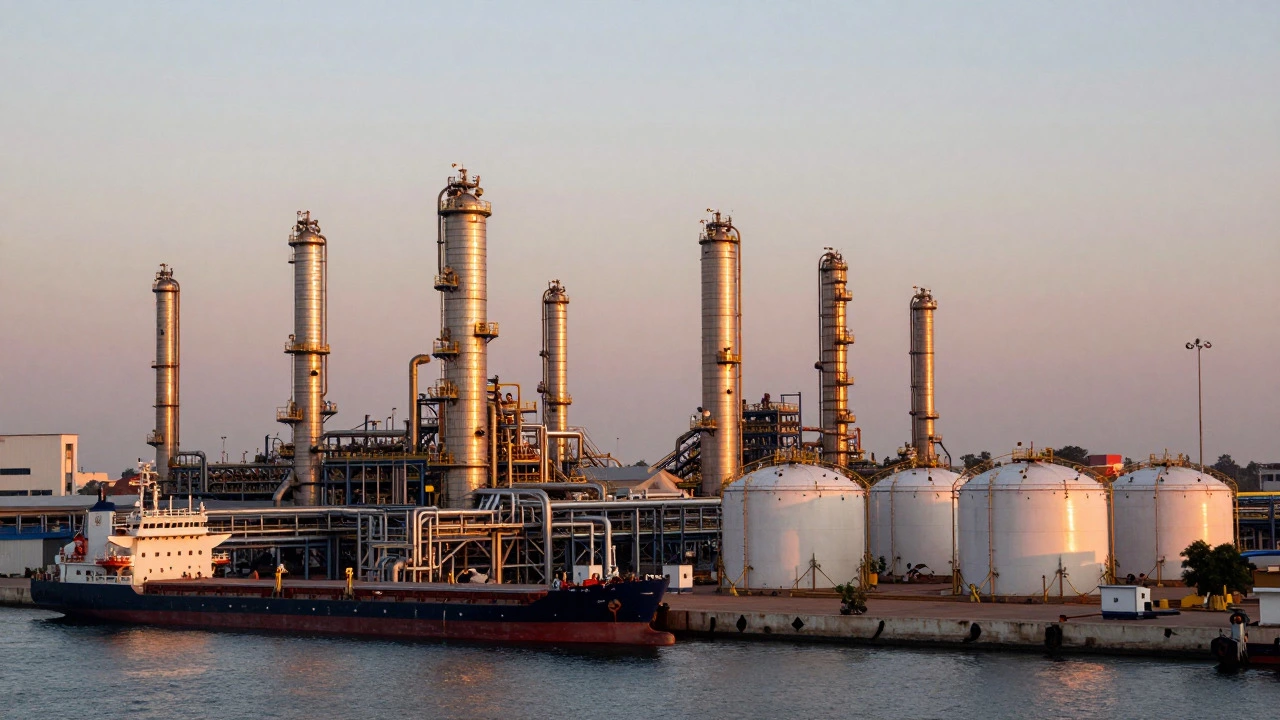
Chemical manufacturing in India is not evenly distributed. It clusters around specific regions where infrastructure, raw material access, and port connectivity align. Gujarat leads the pack, hosting over 40% of the country's chemical capacity. The state benefits from its coastline, which allows for easy import of raw materials and export of finished goods. Key ports like Mundra and Kandla serve as gateways for this trade.
Maharashtra follows closely, with significant presence in Mumbai and Pune. This region has a strong focus on fine chemicals and pharmaceutical intermediates. Tamil Nadu and Andhra Pradesh also play crucial roles, particularly in the southern belt, where many large-scale petrochemical complexes operate. The government has been pushing for new Special Economic Zones (SEZs) in these areas to reduce logistics costs and attract foreign direct investment.
Regulatory Landscape and Government Support
Navigating regulations is a major part of doing business in this sector. The Bureau of Indian Standards (BIS) sets quality benchmarks, while the Central Pollution Control Board (CPCB) enforces environmental norms. Compliance can be costly, but it ensures sustainability. Recently, the government introduced the Production Linked Incentive (PLI) scheme for specialty chemicals, offering cash incentives to companies that expand domestic manufacturing capacity. This move aims to reduce dependence on imports, particularly for high-tech chemicals used in semiconductors and electric vehicles.
Tax reforms have also played a role. The Goods and Services Tax (GST) simplification has reduced the cascading effect of taxes on intermediate goods, lowering the final cost for manufacturers. For startups entering the space, these policy shifts create a more predictable operating environment compared to the volatile past.
Challenges Facing Manufacturers
Despite the rosy growth numbers, the industry faces real hurdles. Energy costs remain high. Electricity tariffs in industrial zones are often higher than in neighboring countries like Vietnam or Thailand. This erodes margins, especially for energy-intensive processes like chlor-alkali production. Additionally, access to cheap credit is still a pain point for small and medium enterprises (SMEs), which make up the bulk of the manufacturing base.
Another challenge is the shortage of skilled labor. While there are plenty of engineers, there is a gap in technical skills related to process optimization and digital manufacturing. Companies are investing in training programs, but the pipeline needs time to mature. Finally, global competition is intensifying. Chinese manufacturers offer lower prices due to scale and subsidized energy, forcing Indian players to compete on quality and reliability rather than just cost.
Future Outlook and Investment Trends
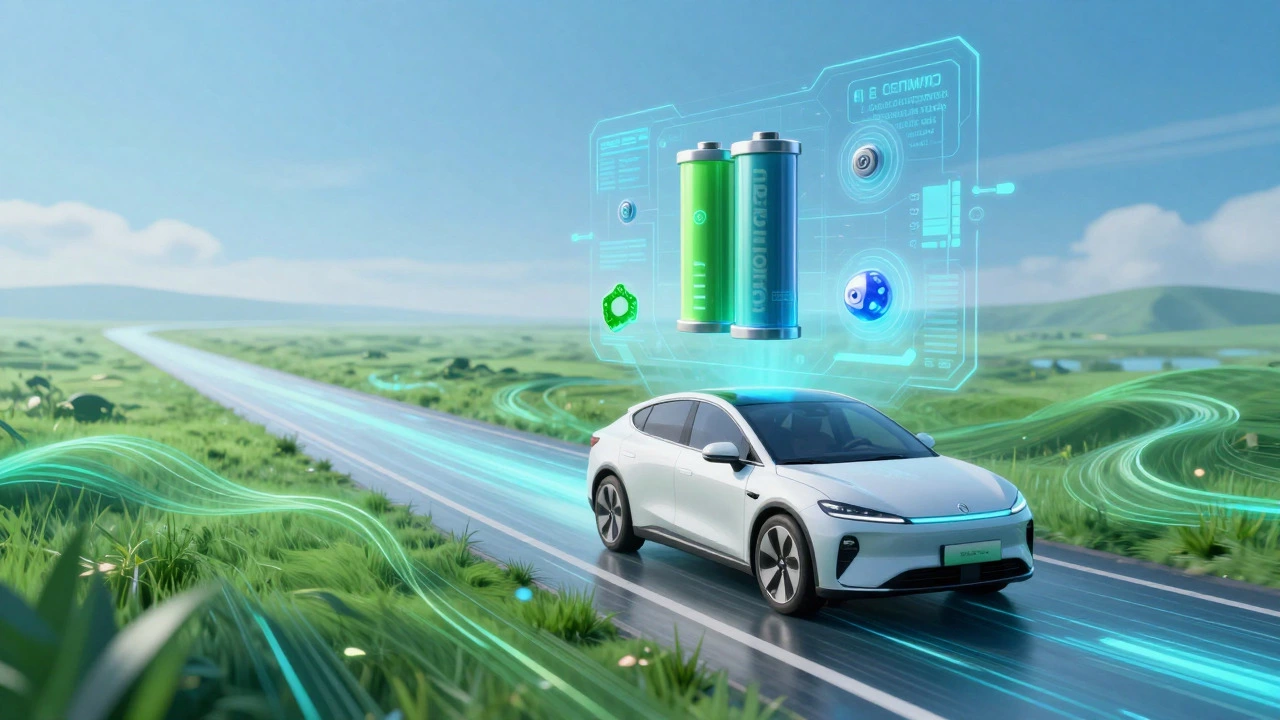
Looking ahead to 2030, experts predict the Indian chemical market could double to over $350 billion. Several factors drive this projection. First, the rise of electric vehicles (EVs) creates a new demand curve for lithium-ion battery chemicals and rare earth elements. Second, the push for self-reliance under the "Atmanirbhar Bharat" initiative encourages local sourcing. Third, digital transformation is improving efficiency. IoT sensors and AI-driven predictive maintenance are becoming standard in modern plants, reducing downtime and waste.
Investors are eyeing green chemistry solutions. Biodegradable plastics and bio-based solvents are gaining traction as global brands commit to sustainability goals. Indian companies that can pivot to these eco-friendly alternatives stand to capture a significant share of the emerging global market. The convergence of technology, policy support, and rising domestic consumption makes this sector a prime target for long-term capital allocation.
| Segment | Market Value (USD Billion) | Growth Rate (CAGR %) | Key Drivers |
|---|---|---|---|
| Agrochemicals | 25 | 8% | Agricultural output, crop protection needs |
| Petrochemicals | 45 | 10% | Consumer goods, packaging, construction |
| Fine Chemicals | 30 | 12% | Pharma, electronics, dyes |
| Specialty Chemicals | 20 | 14% | EV batteries, water treatment, coatings |
Frequently Asked Questions
What is the largest segment of the Indian chemical industry?
Petrochemicals currently hold the largest market share, valued at approximately $45 billion. This is followed by agrochemicals and fine chemicals. The dominance of petrochemicals is due to their widespread use in plastics, packaging, and daily consumer goods.
Where are the main chemical manufacturing hubs located in India?
Gujarat is the leading hub, accounting for over 40% of national capacity. Other key locations include Maharashtra, Tamil Nadu, and Andhra Pradesh. These states offer robust port infrastructure and established industrial ecosystems.
How does the Indian chemical industry compare globally?
India ranks among the top five chemical producers worldwide. While it trails China and the US in total volume, it leads in cost-effective production of fine chemicals and pharmaceutical intermediates. Its growth rate is significantly higher than the global average.
What are the biggest challenges for new entrants in this sector?
The primary challenges include high energy costs, regulatory compliance burdens, and intense competition from established players. Access to affordable financing for small-scale units is also a persistent issue, though government schemes are gradually addressing this gap.
Is the Indian chemical industry sustainable?
Sustainability is a growing focus. Many manufacturers are adopting green chemistry practices and investing in renewable energy sources. Regulatory pressure and consumer demand for eco-friendly products are driving this shift, making long-term viability increasingly dependent on environmental performance.