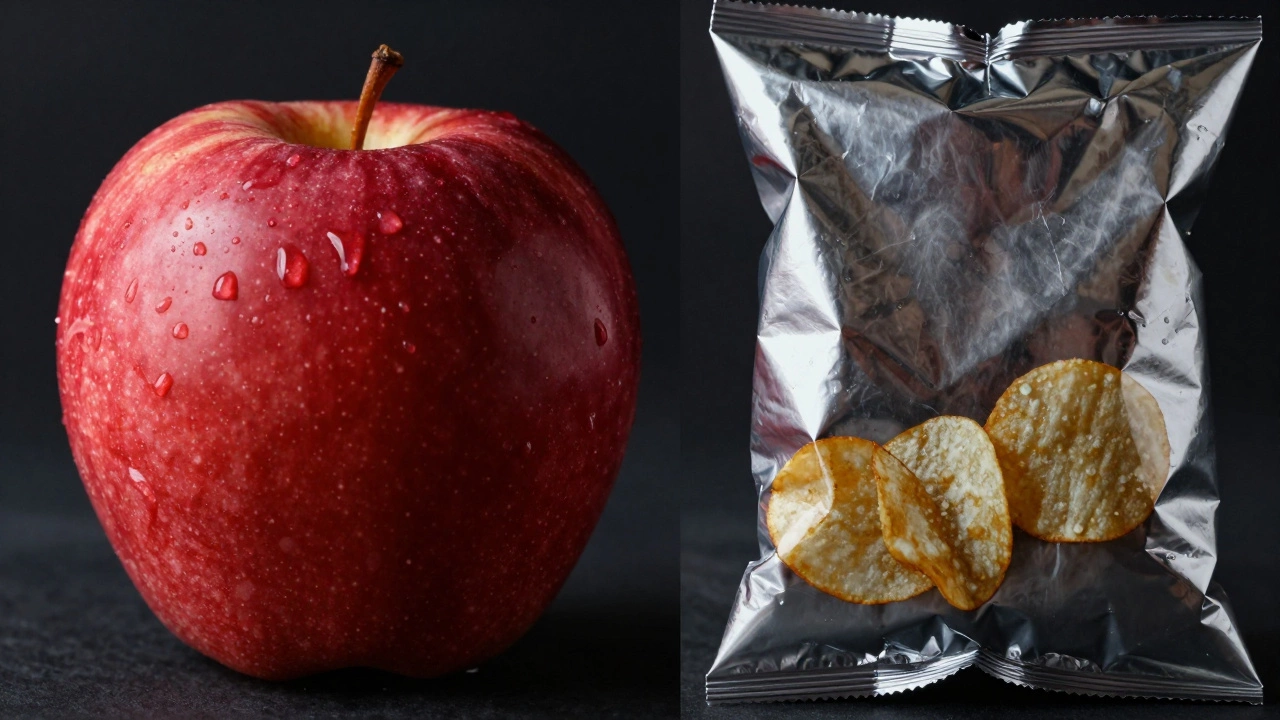
Processed Food Nutrition Analyzer
Select a food pair to see how industrial processing transforms nutritional value and impact on your body.
Whole Wheat
Body Effect: Maintains stable blood sugar and promotes long-term satiety.
White Flour
Body Effect: Triggers insulin spikes, potentially leading to insulin resistance.
Key Takeaways
- Processing often strips away essential vitamins and fiber.
- High levels of sodium, sugar, and unhealthy fats are added to mimic flavor.
- Industrial methods create massive amounts of plastic waste and carbon emissions.
- Ultra-processed foods are linked to metabolic syndromes and chronic inflammation.
The Nutrition Gap in Processed Foods
When a raw ingredient enters a food processing unit is a specialized facility where raw agricultural products are transformed into consumable food products through mechanical and chemical means , the goal is usually stability, not health. One of the biggest hits is the loss of micronutrients. For instance, during the refining of White Flour, the bran and germ-which hold most of the B vitamins and fiber-are stripped away. What's left is basically a starch delivery system.
Think about a can of peas. To keep them from mushing or spoiling, they're often blanched at high temperatures. This process kills bacteria, but it also destroys heat-sensitive vitamins like Vitamin C. You aren't just losing nutrients; you're gaining "empty calories." When the natural flavor is gone, manufacturers don't just leave it bland. They add a cocktail of enhancers to make the food taste "craveable," which leads us straight into the danger of chemical additives.
The Chemical Cocktail: Additives and Preservatives
To make food last for years, companies use Food Additives, which are substances added to food to preserve flavor or enhance its appearance. While the FDA and EFSA say most are safe in small doses, the cumulative effect of eating twenty different additives a day is a different story. High-fructose corn syrup is a classic example; it's cheaper than sugar and keeps food moist, but it hits the liver harder than regular glucose, contributing to fatty liver disease.
Then there are the emulsifiers. These are used to stop oil and water from separating in things like mayonnaise or processed dressings. Some studies on gut health suggest that certain emulsifiers, like carboxymethylcellulose, can thin the mucus lining of the gut, potentially leading to "leaky gut" and systemic inflammation. It's a trade-off: we get a perfectly smooth sauce, but our digestive tract pays the price.
| Attribute | Whole/Natural Foods | Ultra-Processed Foods |
|---|---|---|
| Nutrient Density | High (Vitamins, Minerals) | Low (Stripped during refining) |
| Fiber Content | High (Promotes satiety) | Very Low (Removed for texture) |
| Sodium/Sugar Levels | Low/Natural | High (Used as preservatives) |
| Shelf Life | Short (Days/Weeks) | Long (Months/Years) |
| Impact on Insulin | Slow/Steady Release | Rapid Spike (High Glycemic Index) |
The Metabolic Toll of Ultra-Processing
Not all processing is bad-freezing a bag of spinach is processing, but it's helpful. The real danger lies in Ultra-Processed Foods, which are industrial formulations typically containing five or more ingredients, including substances not used in home cooking. These foods are designed to be "hyper-palatable." They hit the pleasure centers of the brain in a way that natural foods don't, which is why you can eat a whole bag of chips without feeling full.
This leads to a cycle of overeating. Because the fiber is gone, the carbohydrates are absorbed almost instantly, causing a massive spike in blood glucose. This forces the pancreas to pump out Insulin to manage the sugar. Over time, the body becomes less responsive to insulin, a state known as insulin resistance. This is the direct path to Type 2 Diabetes and metabolic syndrome. We've essentially engineered food that tricks our biological hunger signals.
Environmental Costs and Waste
The damage isn't just happening inside our bodies; it's happening to the planet. Industrial processing requires massive amounts of energy. From the giant refrigerators in cold storage to the high-heat ovens in extrusion plants, the carbon footprint is enormous. Moreover, the demand for "standardized" ingredients leads to monoculture farming. To feed a processing plant, you need millions of tons of the exact same corn or soy, which wipes out biodiversity and kills off pollinators like bees.
Then there's the packaging. Because processed foods are designed to travel thousands of miles from a factory to a store, they require layers of plastic, aluminum, and cardboard. Most of these Single-Use Plastics end up in landfills or oceans because they are too complex to recycle. When you buy a pre-cut fruit salad in a plastic tub, you're paying for convenience, but the environment is paying for the waste.
The Loss of Food Culture and Sovereignty
There's also a social cost. As we rely more on global processing units, we lose "food sovereignty"-the ability of a community to control its own food systems. We've moved from local farmers' markets to a system where a few giant corporations control the seed, the processing, and the distribution. This makes the food supply fragile. If a major processing hub fails due to a power outage or a strike, entire regions can face shortages because they no longer know how to process their own raw harvests.
We're also losing the skill of cooking. When a meal is just "heat and eat," we forget how to balance flavors or understand ingredients. This creates a generational gap where people can identify a brand of snack cake but can't tell a carrot from a parsnip. This disconnect from the source of our food makes it easier for companies to hide unhealthy ingredients in plain sight.
Are all processed foods bad for you?
No. Processing is a broad term. Frozen vegetables, canned beans (without added sugar), and pasteurized milk are processed, but they provide a way to access nutrients safely and affordably. The real danger is in "ultra-processed" foods-those with long ingredient lists featuring chemicals you can't pronounce.
Why do companies add so much salt to processed food?
Salt serves two purposes: flavor and preservation. Sodium inhibits the growth of bacteria and fungi, extending the shelf life. However, excessive sodium leads to water retention and high blood pressure, increasing the risk of heart disease.
How can I tell if a food is ultra-processed?
Check the ingredient label. If you see things like "soy lecithin," "high fructose corn syrup," "artificial flavors," or hydrogenated oils, it's likely ultra-processed. A good rule of thumb is that if the ingredients look like something you wouldn't find in a home kitchen, it's ultra-processed.
Does processing always remove vitamins?
Not always, but often. For example, heat treatment can destroy Vitamin C and B vitamins. To fix this, many companies use "fortification," where they spray synthetic vitamins back onto the food. While this helps prevent deficiencies, synthetic vitamins aren't always absorbed as efficiently as natural ones.
What is the best way to avoid the disadvantages of processed food?
Shop the perimeter of the grocery store where the fresh produce, meats, and dairy usually are. Focus on "whole foods" that have one ingredient (e.g., an apple is just an apple). When you do buy packaged goods, choose those with the shortest ingredient lists.
Next Steps for a Healthier Plate
If you're feeling overwhelmed by the a-list of additives, don't try to change everything overnight. Start with the "swap method." Instead of buying pre-flavored yogurt with added sugar, buy plain Greek yogurt and add fresh honey and berries. Instead of buying pre-cut frozen meals, try batch-cooking whole grains and roasted vegetables on a Sunday.
For those concerned about the environment, look for brands that use compostable packaging or buy in bulk to reduce plastic waste. The goal isn't to live in a world without any processing-that's nearly impossible in the modern age-but to move toward a diet where processed items are the exception, not the rule.