The Indian Luxury SUV Status Calculator
Estimated Impact
Total On-Road Price (INR)
Cultural Vibe
Base Price: -
Taxes & Duties (~35%): -
Customization: -
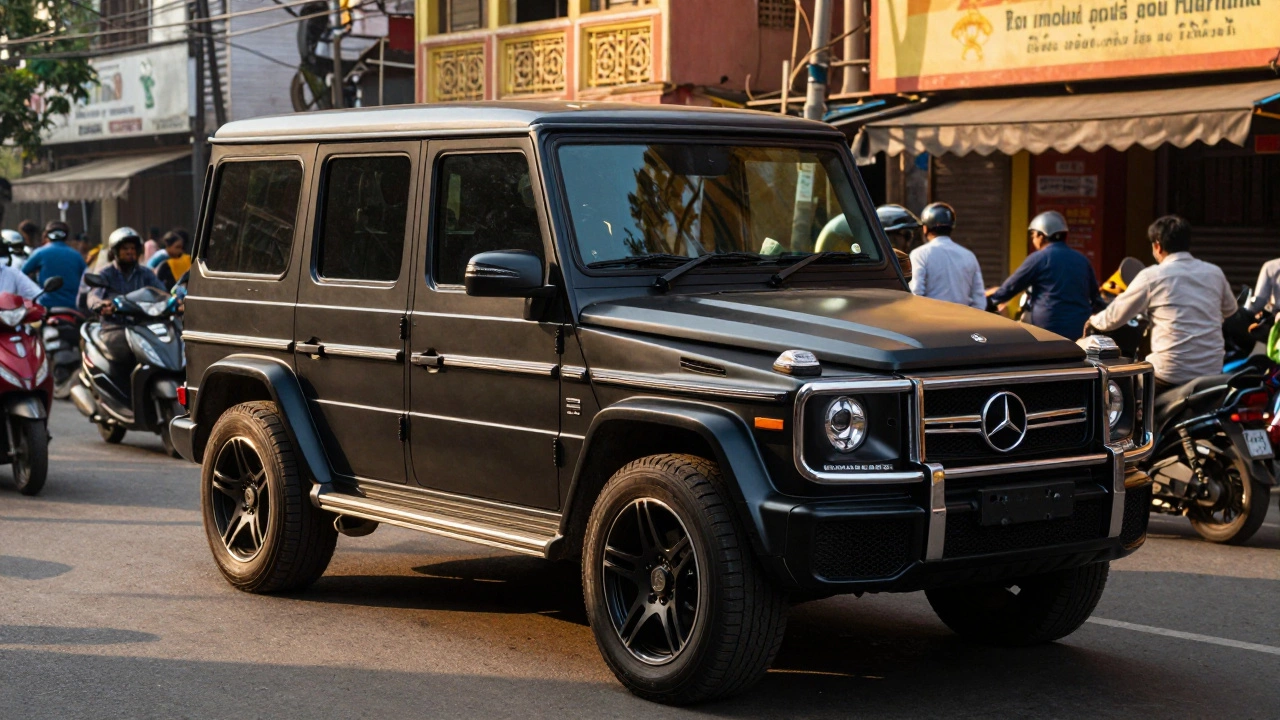
Walk down Bandra West in Mumbai or drive through the posh lanes of South Delhi, and you will see a specific silhouette that commands immediate attention. It is boxy, tall, and unmistakably expensive. This vehicle has earned the nickname "the gangster car" across India. But what exactly defines this title? Is it about actual crime, or is it about power, projection, and an unapologetic display of wealth?
In the Indian context, the term "gangster" has evolved. It no longer just refers to underworld figures. Today, it describes a lifestyle aesthetic adopted by Bollywood stars, tech billionaires, and business moguls. They want to look untouchable. They want a vehicle that says, "I arrived, and I am not leaving." That vehicle is almost exclusively the Mercedes-Benz G-Class, also known as the G-Wagon. It is a luxury off-road SUV renowned for its rugged design, high price tag, and cultural association with power and status.
The Anatomy of the "Gangster" Aesthetic
Why does the G-Class hold this title? It comes down to design language. Most modern SUVs are aerodynamic, rounded, and friendly-looking. The G-Class is the opposite. It looks like a tank built for a fashion show. Its vertical grille, round headlights, and flat sides create a visual weight that feels aggressive.
When you sit inside a G-Class, you are elevated above everyone else on the road. In cities like Mumbai, where traffic is dense and chaotic, height provides a psychological advantage. You can see over the sea of two-wheelers and sedans. This visibility translates to dominance. For someone trying to project authority-whether they are a film producer or a real estate tycoon-this physical positioning is crucial.
The customization culture in India amplifies this effect. Many owners wrap their G-Wagons in matte black, gloss white, or even gold. They add custom rims, tinted windows, and loud exhaust systems. These modifications transform a factory vehicle into a personal statement. The result is a car that looks less like transportation and more like a moving fortress.
Bollywood and the Mainstreaming of Power
If there is one engine driving the "gangster car" trend in India, it is Bollywood. Indian cinema has long romanticized the powerful anti-hero. From the 1990s onwards, these characters needed vehicles that matched their larger-than-life personas. While older films featured Maruti 800s or Ambassador cars for comedic or rural effect, action heroes demanded muscle.
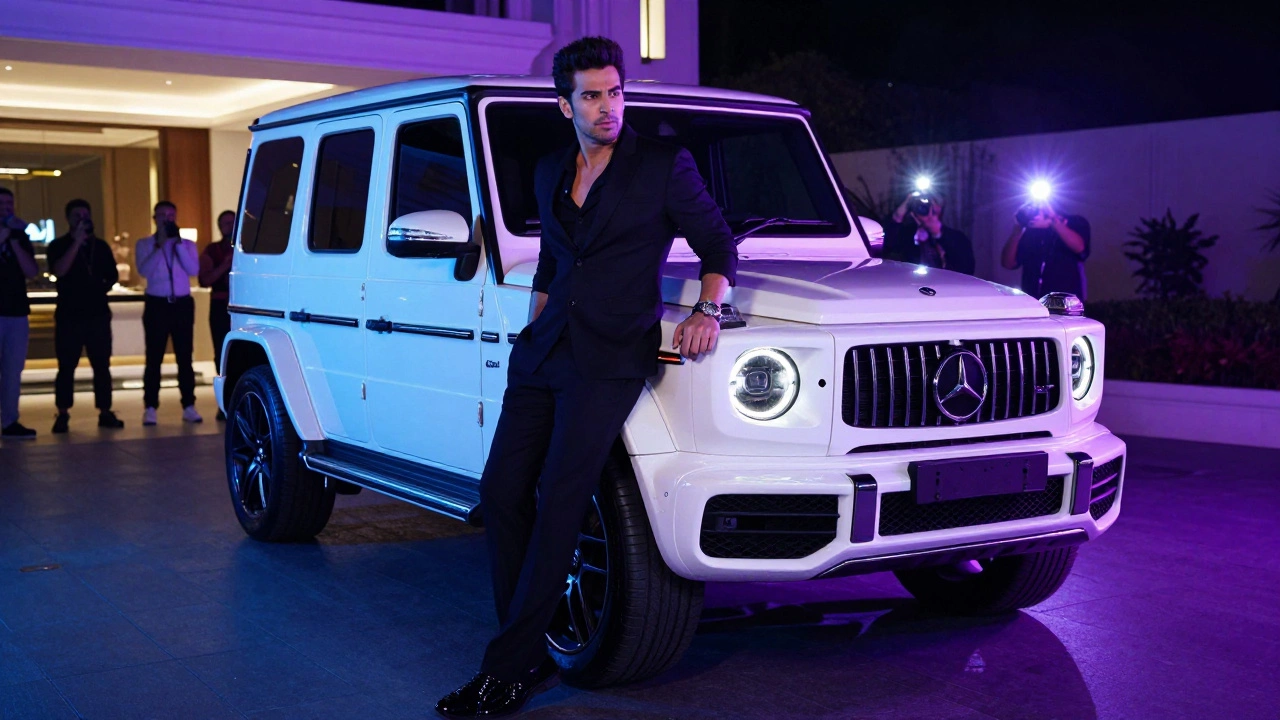
Actors like Salman Khan, Akshay Kumar, and Hrithik Roshan have been spotted driving G-Classes both on and off screen. When a star drives a specific car in a blockbuster movie, millions of fans take note. The car becomes associated with coolness, danger, and success. Even if the average Indian cannot afford a ₹3 crore vehicle, the aspiration remains. The image sticks.
This celebrity endorsement creates a ripple effect. Business leaders want to emulate the confidence they see on screen. Politicians want to appear strong. The G-Class becomes a shorthand for "I have made it." It is not just about comfort; it is about signaling membership in an elite club.
Competitors in the Luxury Space
While the Mercedes-Benz G-Class dominates the "gangster" label, other luxury SUVs play significant roles in India's premium automotive landscape. Understanding these alternatives helps clarify why the G-Wagon stands alone.
| Vehicle Model | Approximate Price (INR) | Key Attribute | Cultural Perception |
|---|---|---|---|
| Mercedes-Benz G-Class | ₹2.5 - ₹4.5 Crore | Rugged, Iconic Design | Power, Aggression, Status |
| Range Rover Autobiography | ₹2.0 - ₹3.5 Crore | Refined Comfort, Off-Road Capability | Elegance, Aristocracy, Subtle Wealth |
| BMW X7 | ₹1.2 - ₹2.0 Crore | Performance, Technology | Modern Success, Executive Power |
| Rolls-Royce Cullinan | ₹6.0+ Crore | Ultimate Luxury, Bespoke Craftsmanship | Old Money, Ultra-Elite, Quiet Dominance |
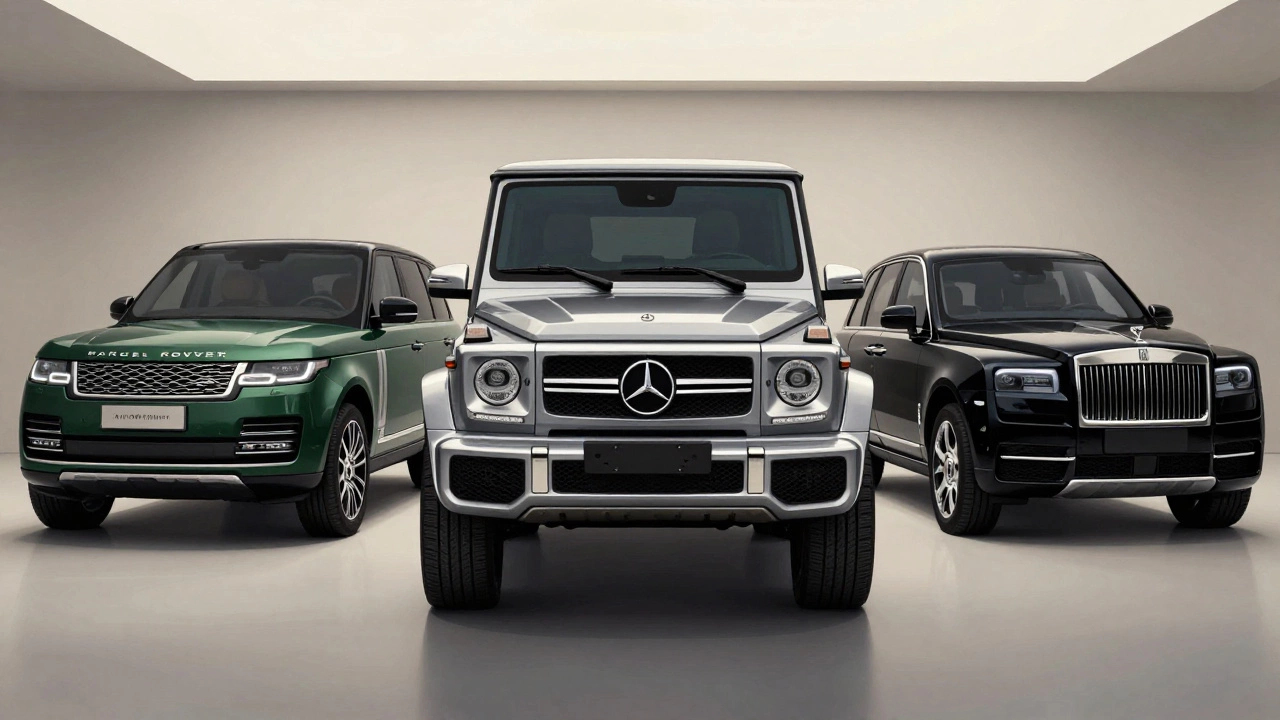
Notice the distinction. The Range Rover is often seen as the choice of traditional aristocracy or corporate CEOs who value discretion. The BMW X7 appeals to those who prioritize driving dynamics and tech. The Rolls-Royce Cullinan is for those who do not need to shout-they already own the building. The G-Class, however, is the only one that leans into the "gangster" vibe because it looks tough. It bridges the gap between military utility and high-fashion excess.
The Economics of Exclusivity
Part of the G-Class appeal is its scarcity. In India, luxury cars face heavy import duties and taxes. A base model G-Class starts at around ₹2.5 crore before options and taxes. Fully loaded versions easily cross ₹4 crore. This price point ensures that only a tiny fraction of the population can own one.
Exclusivity breeds desire. If everyone had a G-Wagon, it would lose its symbolic power. The fact that you rarely see one makes spotting one feel special. Owners know this. They buy the car partly for the engineering-three locking differentials, twin-turbo V8 engines-but mostly for the social capital it generates. Every time they pull up to a hotel entrance, heads turn. That reaction is part of the product.
Maintenance costs also contribute to the barrier to entry. Servicing a German luxury SUV in India requires specialized parts and labor. Annual maintenance can run into lakhs of rupees. This ongoing financial commitment reinforces the owner's status. It proves they can not only buy the car but sustain its upkeep.
Regional Variations in Car Culture
India is diverse, and so is its car culture. While the G-Class is the national "gangster" icon, regional preferences vary.
In Punjab and Haryana, large American trucks and modified pickups sometimes compete for the top spot. Vehicles like the Ford F-150 or customized Tata Hexa models are popular among farmers and local influencers who prefer raw size over European refinement. Here, "gangster" might mean "rugged farmer with deep pockets" rather than "urban elite."
In Goa and coastal areas, open-top convertibles and sports cars like the Porsche 911 or Ferrari F8 Tributo gain traction. The vibe here is leisure and speed, not intimidation. However, even in these regions, the G-Class maintains a stronghold because it works everywhere-from beach clubs to rough terrain.
In North East India, particularly Assam and Meghalaya, Toyota Land Cruisers remain king. Their reputation for indestructibility on muddy, hilly roads gives them a practical kind of prestige. While not "gangster" in the flashy sense, they command respect for their reliability.
The Future of Status Symbols
As India moves toward electric vehicles (EVs), the definition of a "gangster car" may shift. Electric SUVs like the Tesla Model X or the upcoming EQG (electric G-Class) offer silent acceleration and advanced technology. But will they carry the same visceral impact?
Sound plays a huge role in the current aesthetic. The roar of a V8 engine announces arrival. EVs are quiet. This silence might be perceived as less intimidating by some buyers. However, new sounds-synthetic engine noises designed to mimic aggression-are being developed. Brands are working hard to ensure their electric vehicles still feel powerful.
Additionally, younger buyers are increasingly conscious of sustainability. The stigma around gas-guzzling SUVs may grow. We might see a shift where "status" is defined by innovation and eco-friendliness rather than sheer displacement. Until then, the internal combustion engine G-Class remains the undisputed champion of the street.
Conclusion: More Than Just Metal
The "gangster car" in India is not just a mode of transport. It is a cultural artifact. It reflects our aspirations, our admiration for power, and our love for spectacle. The Mercedes-Benz G-Class embodies all of this. It is expensive, rare, and visually dominant. Whether driven by a Bollywood star or a self-made entrepreneur, it signals one thing clearly: I have arrived.
For manufacturers, understanding this psychology is key. Selling a car in India is not just about horsepower or fuel efficiency. It is about selling an identity. The G-Class succeeds because it sells the ultimate identity-the untouchable leader. As long as this narrative holds true, the G-Wagon will remain the definitive gangster car of India.
Is the Mercedes-Benz G-Class really called the 'gangster car' in India?
Yes, colloquially. While not an official title, the G-Class is widely referred to as the "gangster car" due to its aggressive design, high price, and association with powerful figures in Bollywood and business. The term reflects its perception as a symbol of dominance and untouchable status.
How much does a Mercedes-Benz G-Class cost in India?
The on-road price of a Mercedes-Benz G-Class in India typically ranges from ₹2.5 crore to over ₹4.5 crore, depending on the variant, customizations, and applicable taxes. Limited edition models can cost significantly more.
Are there any other cars considered 'gangster' cars in India?
While the G-Class is the primary holder of this title, other vehicles like the Range Rover Autobiography, Rolls-Royce Cullinan, and heavily modified American trucks in certain regions also convey similar messages of power and wealth. However, none match the G-Class's specific "tough yet luxurious" aesthetic.
Why is the G-Class so popular among celebrities?
Celebrities favor the G-Class for its iconic design, high visibility, and cultural cachet. It aligns with the "larger-than-life" persona many stars cultivate. Additionally, its exclusivity ensures that owners stand out in crowds and at events.
Will electric vehicles replace the G-Class as the status symbol?
It is possible in the long term. As environmental awareness grows and technology advances, EVs like the Tesla Model X or the future Mercedes EQG may gain status. However, the emotional connection to the sound and presence of internal combustion engines keeps the current G-Class relevant for now.