Business Longevity Simulator
Based on the principles of Shinise (sustainable business), evaluate your business model to see how its characteristics align with the world's oldest companies.
Select your business parameters and click analyze to see your projected stability score.
Projected Outlook: -
Longevity Insight:
Quick Wins: The Titans of Longevity
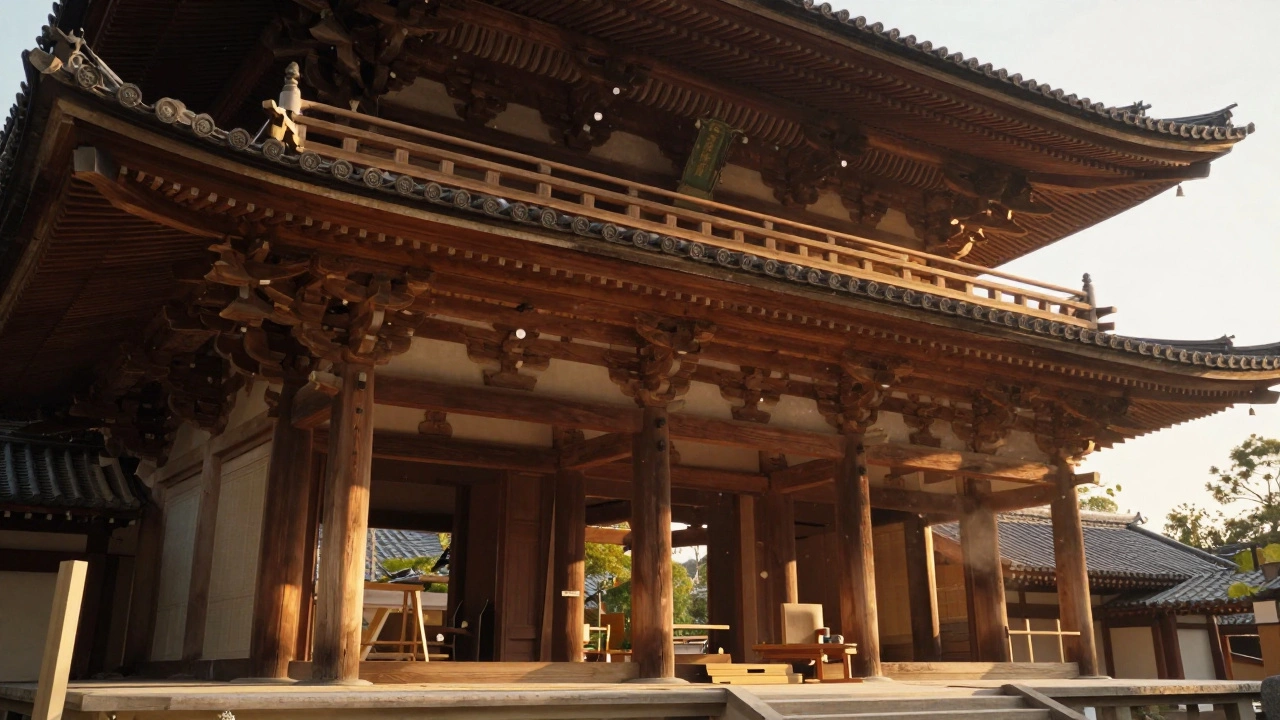
- Kongō Gumi: The undisputed champion of longevity, specializing in temple construction since 578 AD.
- The Secret: Extreme specialization and a commitment to traditional craftsmanship (Monozukuri).
- Key Lesson: Adaptation without losing core identity is the only way to survive centuries.
- Global Hub: Japan dominates the list of world-oldest companies due to a cultural focus on stability.
The Crown Jewel of Construction: Kongō Gumi
If you're looking for the absolute oldest, you have to look at Kongō Gumi is a Japanese construction company that specializes in the building and maintenance of Buddhist temples. Founded in 578 AD, this company has been operating for nearly 1,500 years. To put that in perspective, when Kongō Gumi started, the Roman Empire had only recently fallen in the West, and the concept of a "corporation" didn't even exist as we know it today.
The company began when a Korean immigrant, Prince Shotoku, invited skilled craftsmen from Korea to Japan to build temples. For centuries, the company operated as a family-run guild, passing down secret architectural techniques from father to son. This isn't just about hammering nails; it's about a specific type of manufacturing involving complex interlocking wooden joints that don't require glue or nails, allowing structures to withstand earthquakes-a necessity in Japan.
Why Most Companies Fail Where Kongō Gumi Succeeded
Why don't we see more of this? Most businesses fail because they either grow too fast and collapse or refuse to change and become obsolete. Kongō Gumi avoided both traps for a long time by sticking to a very narrow niche: Buddhist temples. Because temples are built to last for eternity, they always require maintenance. This created a permanent, recurring revenue stream that protected them from the volatility of the general consumer market.
However, even the oldest company in the world isn't immune to the modern world. In 2006, Kongō Gumi faced a massive financial crisis due to bad investments and poor management, eventually becoming a subsidiary of a larger construction firm. This proves that while traditional skills provide a foundation, modern financial literacy is what keeps the lights on in the 21st century.
The Japanese Phenomenon of Shinise
Japan has more "centenarian" companies than any other country. They call these Shinise is the term for long-established shops or companies that have been in business for at least three generations. The philosophy behind Shinise is not based on "growth at all costs" but on "sustainability at all costs."
In the West, we often prioritize quarterly profits and aggressive scaling. In the world of Shinise, the goal is to ensure the business exists for the next generation. This often means keeping a lean operation, maintaining a loyal local customer base, and avoiding risky debt. It's a slow-and-steady approach that turns a business into a cultural institution rather than just a profit machine.
| Company | Founded | Primary Industry | Core Survival Strategy |
|---|---|---|---|
| Kongō Gumi | 578 AD | Temple Construction | Extreme Specialization |
| Hoshi | 711 AD | Textiles/Trade | Adaptable Product Line |
| Sumiya | 1600s | Woodworking | Generational Craftsmanship |
The Evolution of Manufacturing: From Guilds to Factories
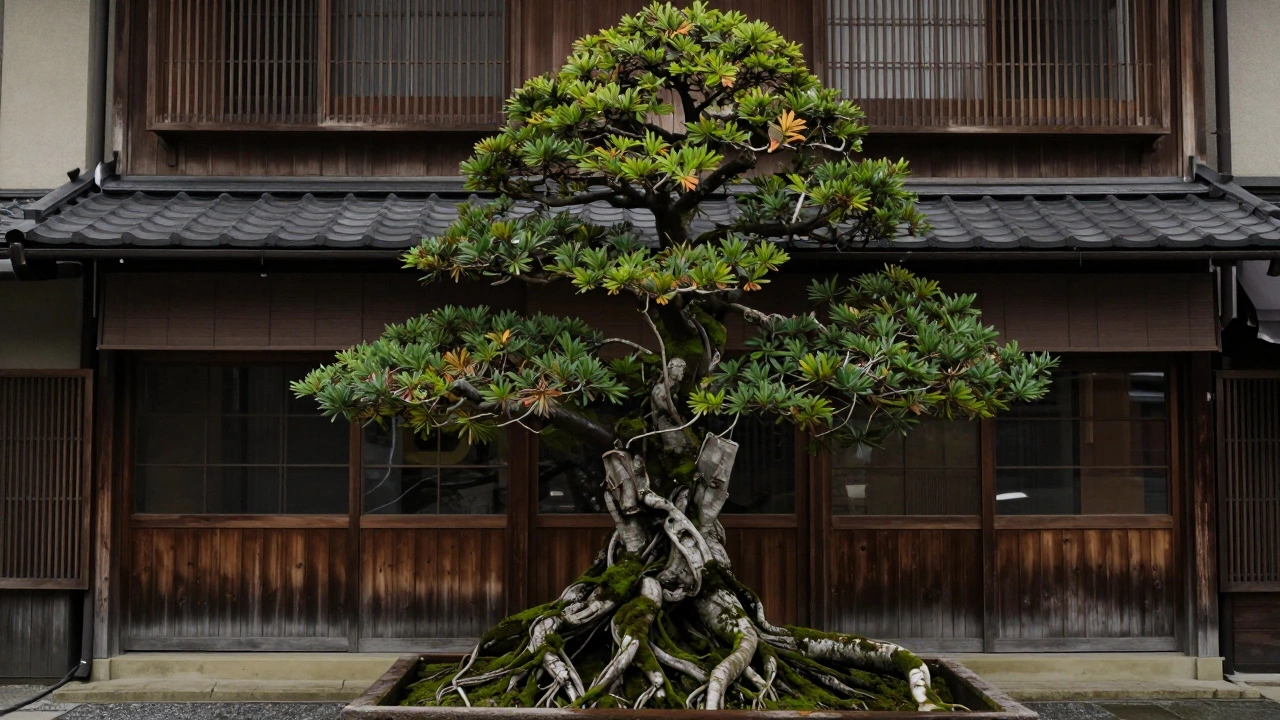
The way these companies "manufacture" has changed drastically. Early manufacturing wasn't about assembly lines; it was about the Guild System is an association of artisans or merchants who oversee the production and quality of specific crafts. By controlling the quality and the training of apprentices, these early manufacturing entities ensured that their brand remained prestigious for centuries.
As we moved into the Industrial Revolution is the transition to new manufacturing processes in Europe and the US starting in the 18th century, the nature of longevity shifted. Companies like Zappōgumi or various sake breweries shifted from manual artisan work to semi-automated processes. The companies that survived this transition were the ones that managed to automate the boring parts of the job while keeping the "soul" of the product intact.
Lessons for Modern Entrepreneurs
So, what can a startup founder in 2026 learn from a temple builder from 578 AD? First, find a "forever problem." Whether it's climate change, healthcare, or building temples, the most stable businesses solve a problem that will still exist in 100 years. If your product is based on a temporary trend or a specific software version, you're building on sand.
Second, prioritize the brand's reputation over immediate profit. In the Shinise model, losing a customer's trust is considered a bigger failure than losing a year of profit. When a company's name becomes synonymous with quality over several centuries, the marketing budget essentially becomes zero because the brand is an entity of trust.

The Role of Family Succession in Industrial Longevity
A huge part of the oldest manufacturing companies' success is the way they handle succession. In many Western companies, a founder sells to a private equity firm or goes public on the stock market. In the oldest Japanese companies, the business is often treated as a stewardship. The CEO isn't just an owner; they are a temporary guardian of the company's legacy.
This means the children are trained from a young age not just in the business, but in the philosophy of the company. This prevents the "third-generation curse," where the grandchildren of the founder waste the family fortune. By treating the company as a legacy rather than an asset to be liquidated, these businesses achieve a form of immortality.
Is Kongō Gumi still operating today?
Yes, although it is no longer an independent family-owned entity. After facing financial difficulties in the mid-2000s, it became a subsidiary of the construction giant Takumi Co. However, it continues to employ master carpenters and maintain the traditional temple-building techniques it has used for over 1,400 years.
Why are so many of the oldest companies located in Japan?
Japan's culture places a high value on stability, craftsmanship (Monozukuri), and familial continuity. Additionally, the geographical isolation of Japan for long periods allowed internal business traditions to flourish without being completely wiped out by the types of systemic geopolitical shifts that reset business cycles in Europe or the Americas.
What is the difference between a "company" and a "guild" in this context?
A guild is a collective of craftsmen who set standards and limit competition to maintain quality and pricing. The oldest manufacturing companies often started as guilds or family workshops before evolving into modern corporate structures with legal entities, payrolls, and official registrations.
Can a modern tech company ever become the oldest manufacturing company?
Technically, yes, but it's unlikely given the pace of technological obsolescence. Tech companies operate on "disruptive cycles," where the goal is to replace the old. To survive 1,000 years, a company needs a product that doesn't become obsolete-like housing, food, or spiritual architecture-rather than a specific piece of software or hardware.
What was the biggest threat to these ancient companies?
The biggest threats are usually internal management failures or sudden shifts in societal needs. For example, if the demand for Buddhist temples vanished, Kongō Gumi would have struggled. Similarly, poor financial diversification in the 21st century almost ended their independent streak.
What's Next for the Ancient Industry?
If you're interested in how these old-world principles apply to the modern day, you should look into "Slow Business" movements or sustainable manufacturing. The next step for any business owner wanting longevity is to move away from the "burn and churn" model of venture capital and toward a model of sustainable, steady growth.
Try auditing your own business: If your current product disappeared tomorrow, would your brand's reputation be enough to keep you afloat? That is the ultimate test of industrial longevity. Whether you're building apps or temples, the goal is to create something that the world refuses to let die.