Indian Clothing Export Market Selector
Scale & Efficiency
High volume, tight marginsSustainability
Organic, eco-friendly, certifiedCraftsmanship
Embroidery, design, ethnic wearFlexibility
Cost-sensitive, adaptable batchesDenim & Knitwear
T-shirts, underwear, home textilesOrganic & Linen
Hemp blends, lingerie, swimwearWool & Outdoor
Blended fabrics, school uniformsTraditional Wear
Abayas, thobes, embroidered cottonRecommended Market: -
Why This Market?
-
Key Requirements:
Market Score
Walk into any major shopping district in New York or London, and you’ll likely find a tag that says "Made in India." It’s not just fast fashion anymore. From high-end silk sarees to durable denim workwear, Indian textiles have become a staple on global shelves. But if you are a manufacturer looking to scale, knowing *where* to send your goods is just as important as making them well.
The short answer? The United States remains the undisputed heavyweight champion for demand. However, the landscape is shifting. The European Union is tightening its rules, Asian neighbors are hungry for affordable basics, and emerging markets in Africa and the Middle East are waking up to Indian quality. If you’re sitting on inventory or planning your next production run, understanding these specific market appetites will save you from costly mistakes.
The United States: The Volume King
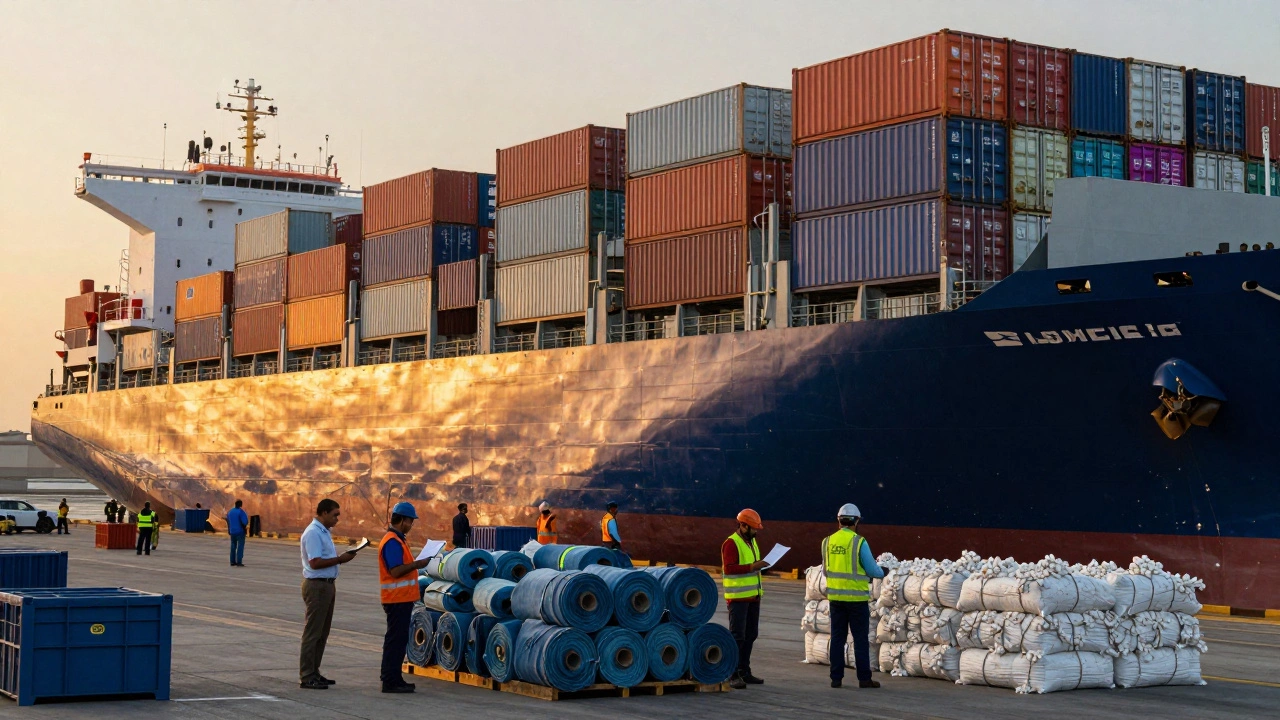
If you talk about volume, the conversation starts and ends with America. For years, the United States has been the largest importer of Indian apparel, accounting for roughly 35-40% of total Indian textile exports. Why? Because American consumers love variety, and they love value. Indian manufacturers have mastered the art of producing everything from low-cost cotton t-shirts to complex embroidered evening wear at price points that keep US retailers happy.
In 2025 and heading into 2026, this trend hasn’t slowed down. Major US brands like Walmart, Target, and H&M continue to rely heavily on Indian supply chains. The key here isn't just cheap labor-it's agility. Indian factories can switch from weaving plain cotton to intricate jacquards faster than many competitors. This flexibility is what keeps US buyers coming back.
What sells best?
- Cotton knitwear (t-shirts, underwear)
- Denim jeans (India is one of the top denim exporters globally)
- Synthetic blends for activewear
- Home textiles (towels, bed linens) which often travel alongside clothing orders
If you are targeting the US, focus on compliance. The US Customs and Border Protection is strict about origin labeling and safety standards. One wrong label can get a whole shipment stuck in Los Angeles port.
The European Union: Quality Over Quantity
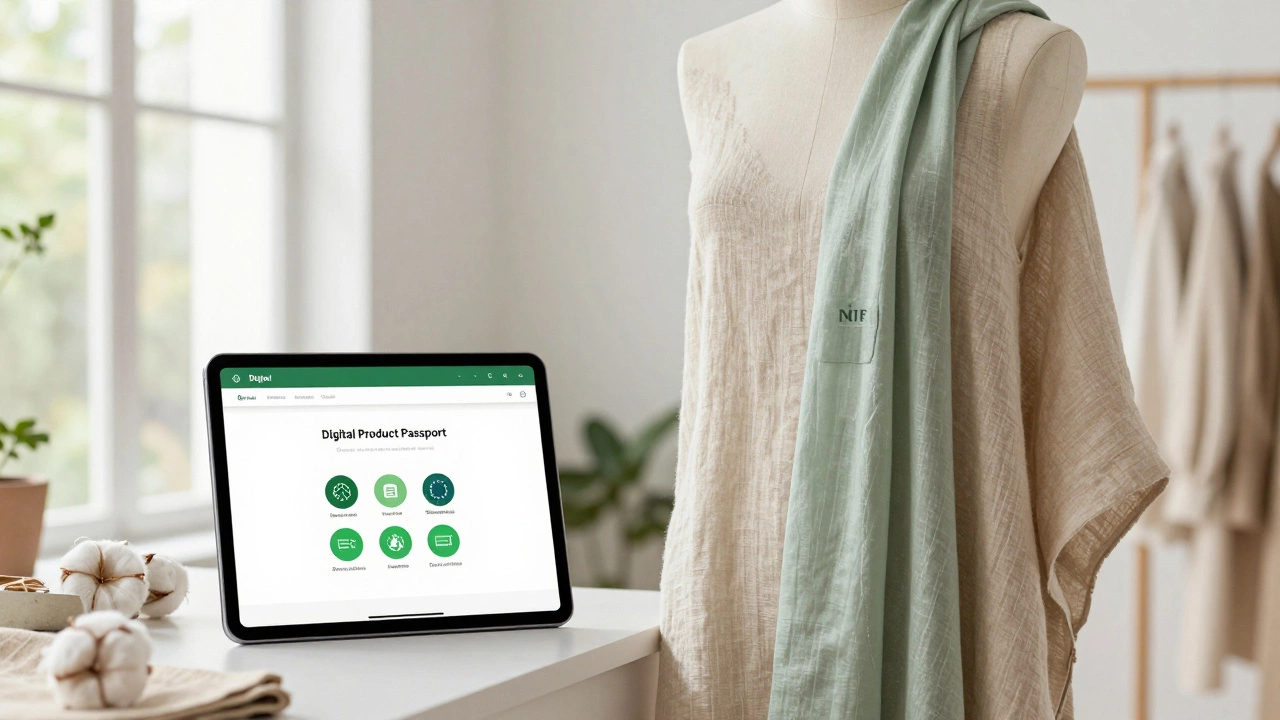
While the US buys in bulk, Europe buys with scrutiny. The European Union is the second-largest market for Indian garments, driven by countries like Germany, France, and the UK. But here’s the catch: European buyers care deeply about sustainability. In 2026, the EU’s Carbon Border Adjustment Mechanism (CBAM) and new digital product passports mean you can’t just ship clothes; you have to prove how green they are.
This sounds like a headache, but it’s actually an opportunity for Indian manufacturers who are already ahead of the curve. India has a strong base in organic cotton and natural dyes. If you can certify your supply chain as eco-friendly, European buyers will pay a premium. They aren’t looking for the cheapest shirt; they’re looking for the most responsible one.
Key European preferences:
- Organic cotton and hemp blends
- Linen products (especially for summer collections)
- Ethically certified fair-trade garments
- High-quality lingerie and swimwear
Germany and France are particularly strong buyers of formal wear and business attire. Meanwhile, the UK still holds a cultural affinity for traditional Indian prints and ethnic wear, especially during festival seasons.
Asia-Pacific: The Rising Neighbor
Don’t ignore your neighbors. While Southeast Asian countries like Vietnam and Bangladesh are competitors in basic garment manufacturing, they are also huge consumers of higher-value Indian textiles. Countries like Australia and a significant importer of Indian wool and blended fabrics due to its cold winters and active outdoor lifestyle.
Australia is a unique case. Being geographically close to India helps with shipping times compared to crossing the Pacific. Australian retailers value durability and comfort. Think hiking gear, casual wear, and school uniforms. There’s also a growing diaspora community that drives demand for traditional Indian ethnic wear-sarees, kurtas, and sherwanis-which commands higher margins than everyday basics.
In Japan and South Korea, the demand is niche but profitable. These markets prefer high-tech fabrics and minimalist designs. If you can produce moisture-wicking synthetic blends or ultra-lightweight winter coats, you’ll find willing buyers.
Middle East & Africa: The Underrated Giants
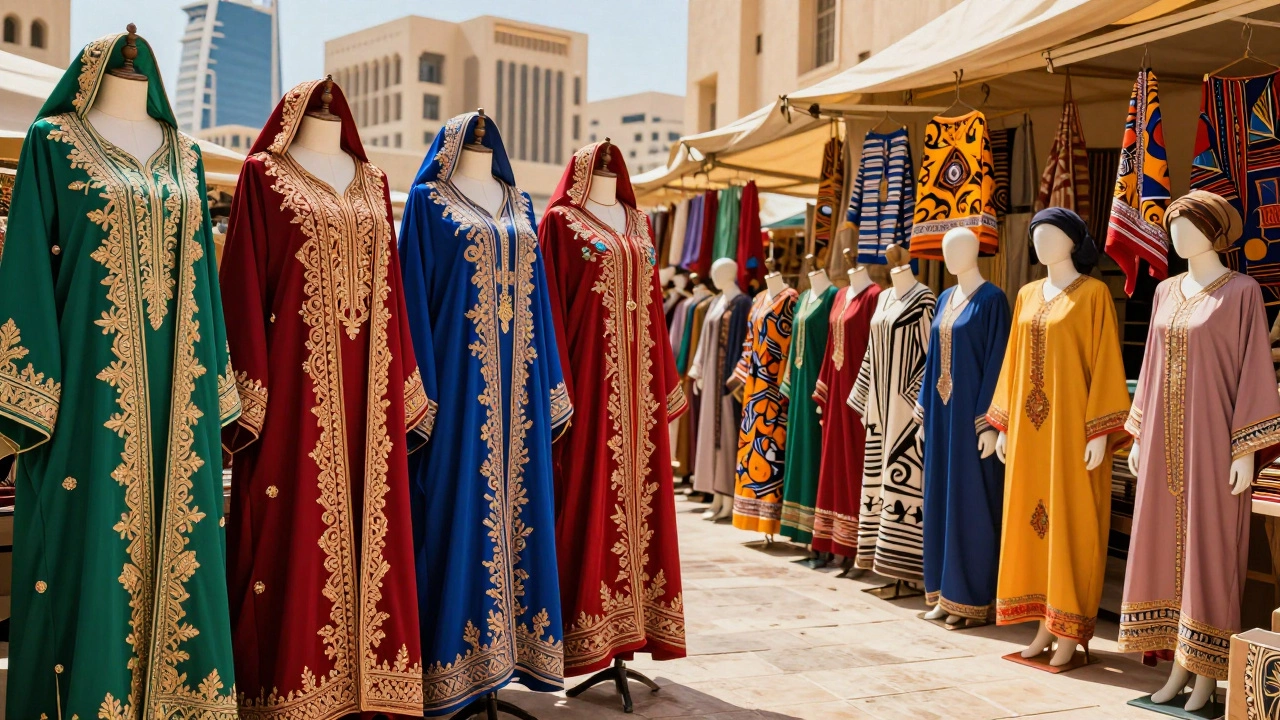
Many manufacturers overlook the Middle East and Africa, assuming they only buy cheap, low-quality goods. That’s a mistake. The Gulf Cooperation Council (GCC) countries-UAE, Saudi Arabia, Qatar-are wealthy markets with a deep cultural connection to Indian textiles. Cotton chadors, abayas, and men’s thobes are massive sellers. Indian embroidery and stone-work add significant value here.
Then there’s Africa. With a rapidly growing middle class and favorable trade agreements under the African Continental Free Trade Area (AfCFTA), African nations are looking for reliable suppliers. Nigeria, Kenya, and South Africa are importing increasing amounts of ready-made garments. The key here is affordability without sacrificing decency. Bright colors, bold patterns, and durable fabrics that withstand hot climates sell well.
| Market | Primary Demand Driver | Key Product Categories | Regulatory Focus |
|---|---|---|---|
| United States | Volume & Price | Denim, Knitwear, Home Textiles | Origin Labeling, Safety Standards |
| European Union | Sustainability & Ethics | Organic Cotton, Lingerie, Linen | Carbon Footprint, Digital Passports |
| Australia | Quality & Diaspora | Wool Blends, Ethnic Wear, Outdoor Gear | Fiber Content Accuracy |
| Middle East | Cultural Tradition | Embroidered Abayas, Cotton Thobes | Halal Compliance, Modesty Standards |
How to Choose Your Market
You can’t be all things to all people. Trying to sell to the US, EU, and Africa simultaneously will stretch your resources thin. Here’s a simple heuristic:
- If you have scale and efficiency: Go for the US. You need large order volumes and tight margins. Invest in automated cutting and sewing lines.
- If you have certification and transparency: Target the EU. Get your GOTS (Global Organic Textile Standard) or OEKO-TEX certifications ready. Be prepared to share detailed supply chain data.
- If you have design flair and craftsmanship: Look at the Middle East and Australia. Handwork, embroidery, and unique prints command higher prices here.
- If you are cost-sensitive and flexible: Explore Africa. Start with smaller batches, understand local color preferences, and build relationships through trade fairs.
Also, consider logistics. Shipping to the US via container ships takes 4-6 weeks. To Europe, similar. But air freight to the Middle East is quick and expensive. Factor these costs into your pricing model before quoting a buyer.
Pitfalls to Avoid
I’ve seen too many manufacturers fail because they ignored the small details. First, never underestimate currency fluctuations. The Indian Rupee’s strength against the Dollar or Euro directly impacts your profit margin. Use hedging strategies if you’re taking large orders.
Second, don’t assume one size fits all. A t-shirt that sells in Mumbai might be too thin for a German winter or too thick for a Dubai summer. Adapt your fabric weight and style to the local climate and culture.
Finally, stay updated on trade policies. Tariffs change. Quotas shift. In 2026, watch out for any new bilateral trade agreements between India and key partners like the UK or UAE. Early adopters of these deals gain a significant competitive edge.
Which country imports the most Indian garments?
The United States is consistently the largest importer of Indian garments, accounting for approximately 35-40% of India's total textile exports. This is followed by the European Union, particularly Germany and France.
Is the demand for Indian clothing growing in Europe?
Yes, but the nature of demand is changing. European buyers are increasingly prioritizing sustainable and ethically produced clothing. Manufacturers with organic certifications and transparent supply chains are seeing higher demand, even if overall volume growth is slower than in the US.
What types of clothing do Middle Eastern countries prefer from India?
Middle Eastern countries, especially in the GCC region, have a high demand for traditional modest wear such as abayas, thobes, and chadors. They also appreciate high-quality cotton fabrics and intricate embroidery work that aligns with local cultural aesthetics.
Why is Australia a good market for Indian textile manufacturers?
Australia offers a balance of proximity and purchasing power. It has a strong demand for wool blends and outdoor apparel due to its climate. Additionally, the large Indian diaspora creates steady demand for ethnic wear, allowing manufacturers to target both mainstream and niche segments.
What are the biggest challenges for Indian exporters in 2026?
Key challenges include stringent environmental regulations in the EU (like digital product passports), currency volatility affecting profit margins, and intense competition from Southeast Asian countries like Vietnam and Bangladesh on price-sensitive basic garments.