Indian Export Market Explorer
Select a category below to dive into the specific drivers, products, and challenges of exporting these goods from India to the USA.
Electronics
Hardware & ComponentsPharmaceuticals
Generics & APIsTextiles
Sustainable FashionAgriculture
Spices & ProduceConsumer Electronics
Walk into any major electronics store in the United States today, and you might spot a subtle shift on the shelves. While "Made in China" still dominates, a growing number of items now carry the label "Made in India." This isn't just a minor trend; it's a structural change driven by global supply chain reshuffling and aggressive government incentives. For manufacturers and exporters, the question isn't if the USA wants Indian products, but which specific categories are seeing explosive growth.
The short answer? It’s not just one product. The highest demand comes from three distinct pillars: consumer electronics, pharmaceuticals, and specialty textiles. However, the real story lies in the details of why these sectors are booming and what it means for businesses looking to capitalize on this wave.
The Electronics Boom: Beyond Assembly
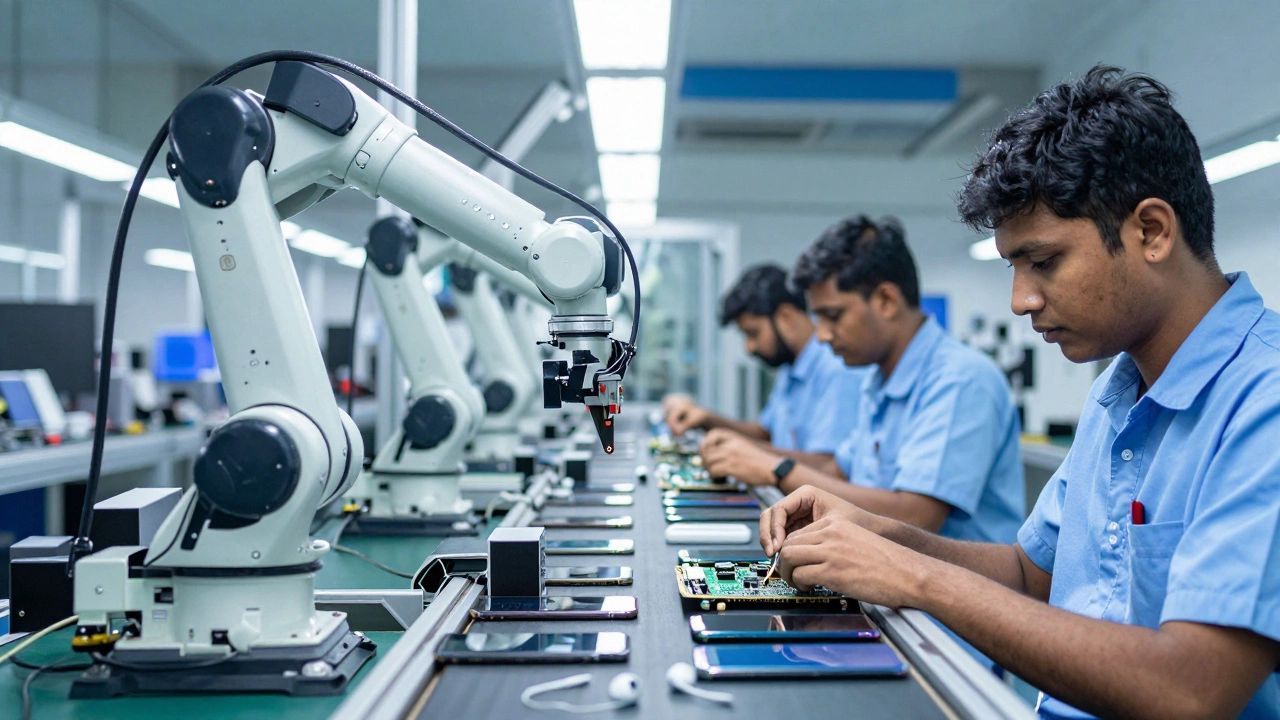
When people talk about Indian exports to the USA, they often think of spices or software. But in 2026, the biggest volume driver is hardware. The USA imports billions of dollars worth of electronic components from India annually. This surge is directly tied to the Production Linked Incentive (PLI) scheme launched by the Indian government, which offered cash incentives to companies that manufactured locally.
Major players like Apple Inc. have significantly expanded their manufacturing footprint in India. While iPhones were initially assembled here for domestic consumption, export volumes to the USA have skyrocketed. You’re also seeing a rise in mid-range smartphones, smartwatches, and earbuds being shipped directly from Indian factories to American retailers.
Why the shift? Two main factors:
- Diversification Strategy: US companies are actively reducing reliance on single-source suppliers to mitigate geopolitical risks. India offers a stable, English-speaking workforce with strong technical skills.
- Cost Competitiveness: Labor costs in India remain lower than in China, while infrastructure has improved dramatically over the last five years.
It’s not just finished goods. India is also becoming a hub for intermediate electronic components, such as printed circuit boards (PCBs) and semiconductor packaging. These parts are essential for everything from laptops to automotive systems, making them high-demand items for US manufacturers.
| Category | Growth Driver | Key Products | US Market Demand Level |
|---|---|---|---|
| Consumer Electronics | PLI Scheme, Supply Chain Diversification | Smartphones, Earbuds, PC Assemblies | Very High |
| Pharmaceuticals | FDA Approvals, Generic Drug Demand | Vaccines, Active Pharmaceutical Ingredients (APIs) | Critical |
| Textiles & Apparel | Sustainable Fashion Trends | Organic Cotton, Denim, Technical Fabrics | Moderate-High |
| Agricultural Products | Niche Dietary Preferences | Basmati Rice, Spices, Mangoes | Steady |
Pharmaceuticals: The Invisible Export Giant
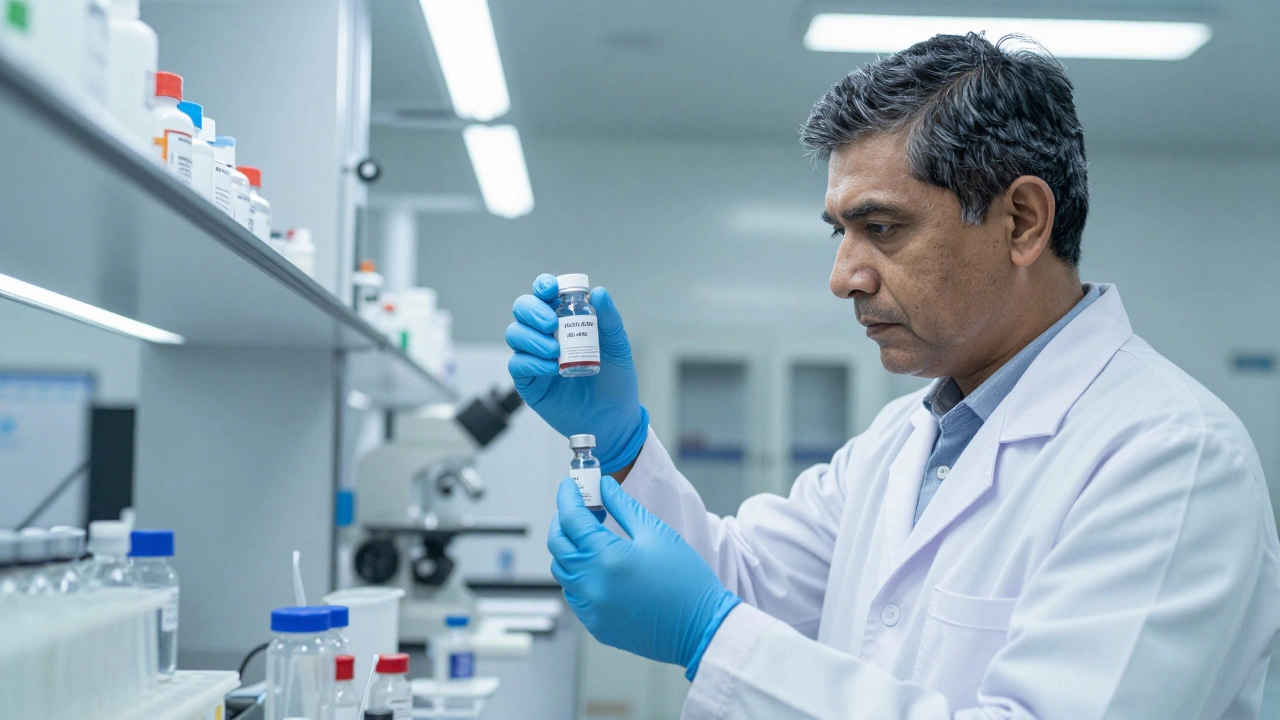
If electronics are the visible face of Indian exports, pharmaceuticals are the backbone. The USA is the largest market for Indian generic drugs. In fact, nearly 40% of all generic medicines consumed in the US are sourced from India. This isn't a new phenomenon, but the demand has intensified due to rising healthcare costs in America.
Indian companies like Sun Pharmaceutical Industries and Dr. Reddy's Laboratories dominate this space. They produce everything from common antibiotics to complex oncology treatments. The key advantage? Cost efficiency without compromising quality. Indian pharma firms have invested heavily in meeting strict FDA regulations, ensuring their products are safe and effective.
Another critical area is Active Pharmaceutical Ingredients (APIs). Many US drug manufacturers rely on India for the raw materials needed to make final medications. This dependency makes APIs a high-demand, low-volatility export category. Even during economic downturns, healthcare spending remains resilient, keeping demand steady.
Textiles and Apparel: The Sustainability Angle
While electronics and pharma grab headlines, textiles are quietly gaining traction. US consumers are increasingly conscious of sustainability, and India is positioning itself as a leader in eco-friendly fabrics. Organic cotton, hemp, and recycled polyester are major export items.
Brands like Patagonia and Levi Strauss & Co. have long sourced materials from India. Recently, more mid-tier fashion brands are following suit, attracted by India’s robust textile infrastructure and competitive pricing. Denim, in particular, is a strong performer. India is one of the world’s largest producers of denim fabric, and US retailers love the variety and quality available.
The shift towards "slow fashion"-where durability and ethical production matter more than fast trends-favors Indian manufacturers who can offer high-quality, responsibly made garments at scale.
Agricultural Niche: Spices, Rice, and More
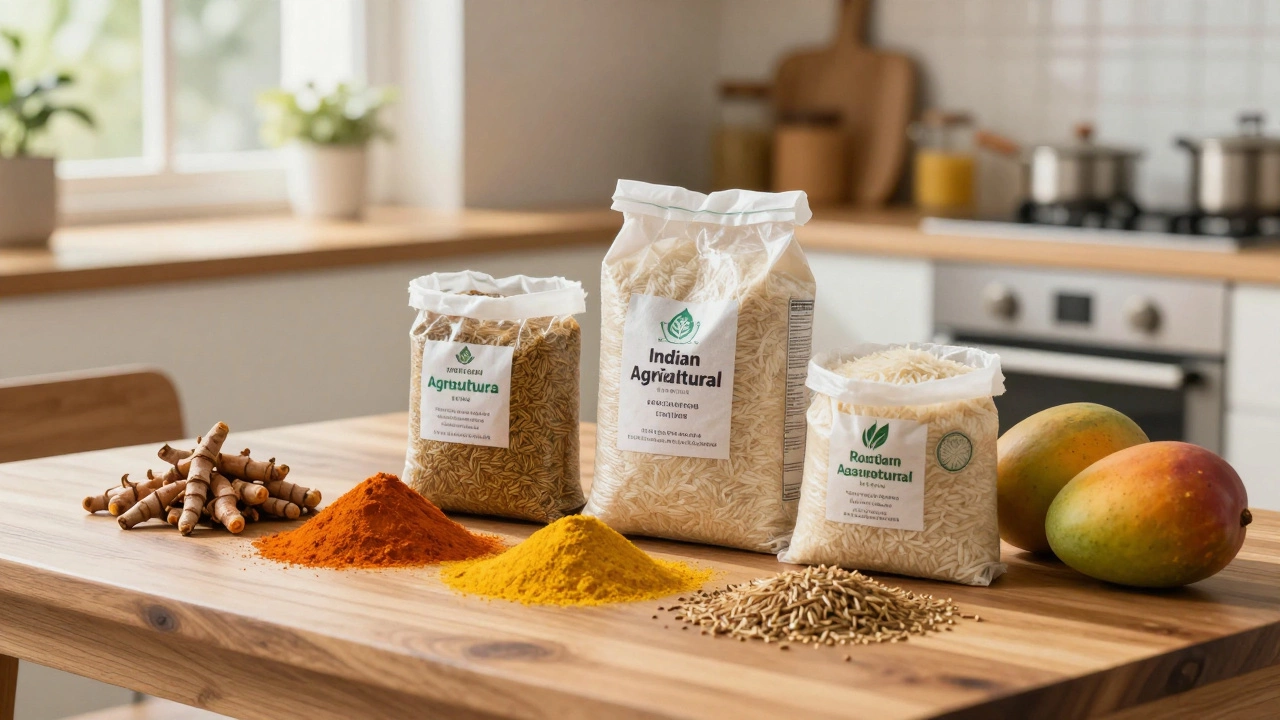
Don’t overlook food. While it doesn’t move in the same volumes as electronics, agricultural exports are highly profitable due to premium pricing. Basmati rice is a staple in many American households, especially among South Asian and health-conscious communities. India controls over 70% of the global Basmati market, giving it significant leverage.
Spices are another big winner. Turmeric, cumin, and cardamom are in high demand not just for cooking but also for their purported health benefits. The rise of wellness culture in the USA has boosted sales of organic and fair-trade spices from India. Companies like MDH and Everest Spices have built strong brand recognition abroad.
Fresh fruits, particularly mangoes, are also seeing increased exports thanks to improved cold-chain logistics. Although seasonal, these products command high prices in niche markets.
Challenges and Risks for Exporters
Despite the opportunities, exporting to the USA isn’t without hurdles. Regulatory compliance is the biggest challenge. Whether it’s FDA approvals for drugs or safety certifications for electronics, US standards are rigorous. Failure to meet them can result in costly delays or bans.
Logistics is another issue. Shipping times from India to the US can be longer compared to Asian neighbors, impacting inventory management. Additionally, currency fluctuations between the Indian Rupee and US Dollar can affect profit margins if not hedged properly.
Intellectual property (IP) protection is also a concern. Some Indian manufacturers worry about IP theft when collaborating with US partners. Building strong legal frameworks and contracts is essential to safeguard innovations.
How to Capitalize on This Trend
If you’re an Indian manufacturer or exporter looking to tap into the US market, start by identifying your niche. Don’t try to compete on price alone; focus on quality, innovation, and sustainability. US buyers are willing to pay a premium for products that align with their values.
Leverage digital platforms to reach US distributors and retailers. Attend trade shows like CES (for electronics) or Natural Products Expo (for health foods) to build relationships. Networking is crucial in breaking into established markets.
Finally, stay informed about policy changes. Both the Indian and US governments frequently update trade agreements and tariffs. Being proactive rather than reactive will give you a competitive edge.
Which Indian product has the highest export value to the USA?
Petroleum products historically hold the top spot, but among manufactured goods, gemstones and jewelry lead in value, followed closely by pharmaceuticals and machinery. Consumer electronics are growing rapidly in volume and value.
Is it easy for small businesses to export electronics from India to the USA?
It’s challenging but feasible. Small businesses must ensure their products meet FCC (Federal Communications Commission) standards for electronic emissions. Partnering with larger distributors or using B2B platforms can help navigate regulatory complexities.
What are the main barriers to entry for Indian pharma companies in the US?
The primary barrier is obtaining FDA approval, which requires extensive clinical trials and documentation. Additionally, building trust with US healthcare providers and insurers takes time and significant investment.
How does the PLI scheme benefit electronics manufacturers?
The Production Linked Incentive (PLI) scheme provides financial incentives based on the value of incremental sales from products manufactured in India. This reduces production costs and improves competitiveness in international markets like the USA.
Are there any upcoming trends in Indian-US trade relations?
Yes, both countries are exploring deeper cooperation in clean energy technologies and digital services. Expect increased collaboration on green manufacturing processes, which could open new export avenues for sustainable products.