US Machinery Supplier Selector
Select your primary business priority to see which country is recommended as your optimal machinery supplier.
Top Suppliers Overview:
| Country | Primary Strength | Key Sectors | Main Risk |
|---|
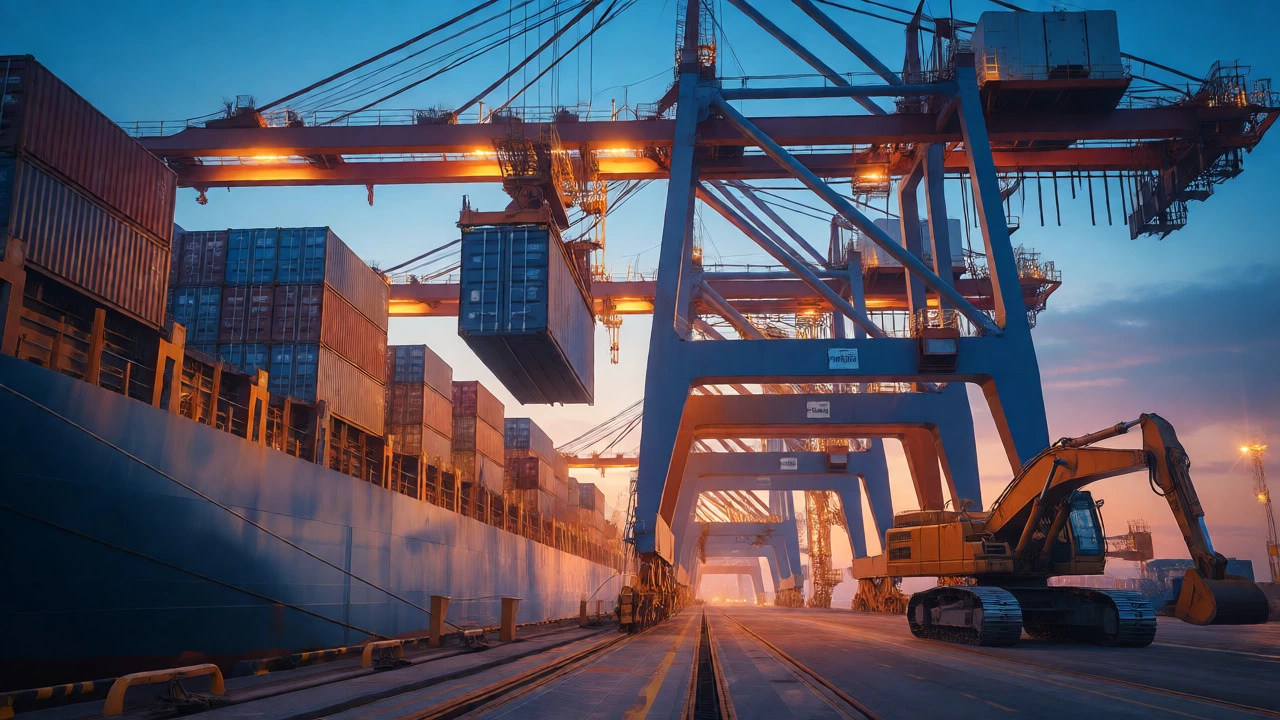
Think about the last time you saw a massive excavator digging up a city street or a CNC machine humming in a factory. Did you wonder where that heavy iron came from? Most people assume it’s all made domestically, but the reality is far more complex. The United States imports billions of dollars worth of machinery every year, and the list of countries sending those goods has shifted dramatically in recent years. If you’re watching global trade trends, you’ve likely noticed India climbing the ranks as a serious contender for supplying industrial equipment. But who actually holds the top spots right now?
The United States remains one of the world's largest importers of machinery, driven by demand in construction, agriculture, and high-tech manufacturing. While domestic production is robust, specific niches rely heavily on foreign expertise. According to recent data from the U.S. Census Bureau, machinery imports consistently exceed $100 billion annually. This isn't just about buying cheap parts; it's about accessing specialized technology that might not be available-or cost-effective-within American borders.
China Still Dominates the Volume
Let’s address the elephant in the room. China continues to be the single largest source of machinery imports for the US. Despite tariffs and ongoing trade tensions, Chinese manufacturers have entrenched themselves in the market through sheer volume and competitive pricing. You’ll find everything from basic power tools to complex electrical components coming out of Shenzhen and Shanghai.
Why does this persist? It’s simple economics. For many small and medium-sized enterprises (SMEs), the upfront cost savings outweigh the logistical headaches. A standard hydraulic pump from China might cost 30% less than its European counterpart. For businesses operating on thin margins, that difference determines survival. However, reliance on China carries risks. Supply chain disruptions, like those seen during the pandemic, exposed how fragile these long-distance links can be. Many companies are now actively seeking alternatives to diversify their risk.
Germany and Japan: The Quality Leaders
If China wins on price, Germany and Japan win on precision. These two nations remain critical suppliers for high-end industrial machinery. German engineering, often associated with brands like Siemens and Bosch, dominates sectors requiring extreme reliability, such as automotive assembly lines and pharmaceutical processing. Japanese firms, including Toyota Industries and Fanuc, lead in robotics and automation.
The relationship here is different. US buyers aren’t just looking for a product; they’re buying into a legacy of quality control. When a hospital buys an MRI machine or a car manufacturer installs a robotic arm, downtime is unacceptable. They pay a premium for peace of mind. This segment of the market is less sensitive to minor price fluctuations because the cost of failure is too high. Consequently, while volumes may not match China’s, the value per unit is significantly higher.
India’s Rapid Ascent in Machinery Exports
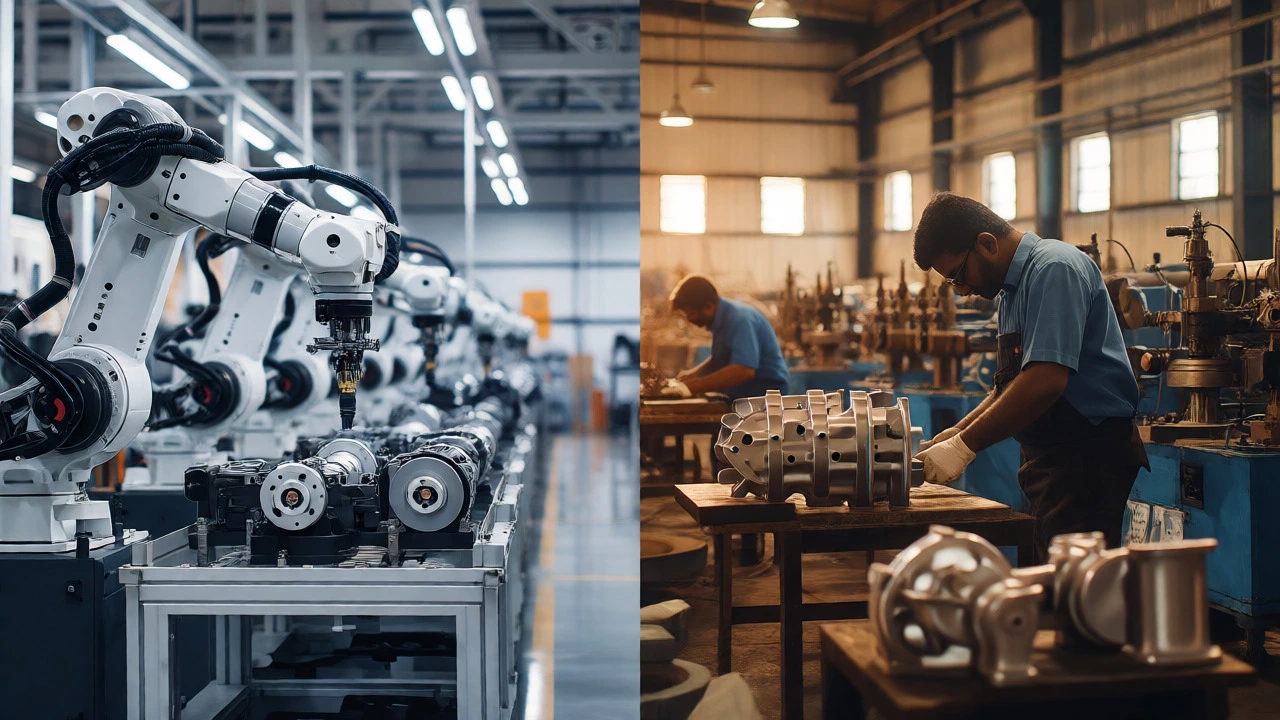
This is where things get interesting for forward-thinking buyers. India has quietly transformed from a textile exporter into a formidable player in the machinery sector. Driven by government initiatives like "Make in India" and improved infrastructure, Indian manufacturers are increasingly capturing share in the US market. Why should you care? Because India offers a compelling middle ground between Chinese low-cost options and European high-cost precision.
| Country | Primary Strength | Key Sectors | Risk Factor |
|---|---|---|---|
| China | Cost Efficiency & Scale | General Industrial, Electronics | Tariffs, Geopolitics |
| Germany | Precision Engineering | Automotive, Pharma, Robotics | High Cost, Energy Prices |
| Japan | Reliability & Automation | Robotics, Automotive, Tech | Currency Fluctuation |
| Mexico | Proximity & Speed | Auto Parts, HVAC | Labor Costs Rising |
| India | Skilled Labor & IT Integration | Textile Machines, Agri-equipment, Castings | Logistics Lead Times |
Indian machinery exports to the US have grown steadily, particularly in areas like textile machinery, agricultural equipment, and metal castings. The country’s advantage lies in its large pool of skilled engineers combined with lower labor costs compared to Western nations. Plus, English proficiency simplifies communication, reducing friction in procurement processes. For US companies looking to reduce dependency on East Asia without paying European prices, India presents a strategic hedge.
Mexico and Canada: The Nearshoring Advantage
Geography matters. Mexico and Canada are significant suppliers, largely due to the United States-Mexico-Canada Agreement (USMCA). This trade pact eliminates most tariffs and streamlines customs, making cross-border movement incredibly efficient. For industries like automotive and HVAC, proximity is king. Just-in-time manufacturing relies on short lead times, and shipping a container from Detroit to Monterrey takes hours, not weeks.
Mexico specifically has become a hub for assembling machinery components sourced globally. You might buy a motor assembled in Mexico using parts from China and Germany. This hybrid model allows US firms to leverage global efficiency while maintaining regional speed. If your business prioritizes rapid replenishment and low inventory holding costs, North American neighbors are hard to beat.
How to Choose Your Supplier
Selecting a machinery supplier isn’t just about comparing quotes. You need to assess total cost of ownership and risk exposure. Here’s a practical approach:
- Evaluate Criticality: Is the machinery core to your production line? If yes, prioritize quality and support (Germany/Japan). If it’s auxiliary, consider cost-effective options (China/India).
- Assess Lead Time Needs: Do you need parts in days or months? Nearshoring (Mexico) wins for speed. Long-term stockpiling allows for cheaper overseas sourcing.
- Check Compliance Standards: Ensure the supplier meets US safety and environmental regulations. Non-compliant machinery can lead to costly retrofitting or legal issues.
- Diversify Your Portfolio: Don’t put all eggs in one basket. Use China for bulk, Europe for precision, and India/Mexico for balance.
It’s also wise to visit facilities if possible. Seeing a factory floor in Pune, India, versus one in Bavaria, Germany, gives you a visceral sense of operational culture. Trust is built face-to-face, especially when dealing with multi-million dollar capital expenditures.
The Future of US Machinery Sourcing
The landscape is shifting toward resilience over pure efficiency. Companies are willing to pay slightly more for suppliers who offer stability and transparency. India’s rise reflects this trend-it offers a democratic, stable partner with growing technical capabilities. Meanwhile, automation within the US itself is reducing the need for some imported manual-labor-intensive machinery, but increasing demand for high-tech automated systems.
For buyers, staying informed about trade policies and emerging manufacturing hubs is crucial. The next big shift could come from Southeast Asia or further consolidation in India’s industrial parks. Keep your eyes open, because the map of global machinery trade is being redrawn right now.
Which country exports the most machinery to the US?
China currently exports the highest volume of machinery to the United States, followed closely by Germany, Japan, Mexico, and Canada. China leads in general industrial equipment due to competitive pricing and scale.
Is India a reliable source for industrial machinery?
Yes, India has become increasingly reliable, especially for textile machinery, agricultural equipment, and metal castings. Its strengths include skilled engineering talent, English-speaking workforce, and competitive costs compared to Western nations.
Why do US companies still import from China despite tariffs?
Despite tariffs, China offers unmatched scale and supply chain depth. For many non-critical components, the total landed cost remains lower than alternatives. Additionally, established relationships and mature logistics networks make switching difficult for some businesses.
What role does Mexico play in US machinery imports?
Mexico is a key partner due to the USMCA agreement, which facilitates tariff-free trade. It is particularly strong in automotive machinery, HVAC units, and electronics assembly, offering nearshoring benefits with shorter lead times.
Are German machines worth the higher price?
For applications requiring high precision, durability, and minimal downtime, German machinery is often considered worth the premium. Brands like Siemens and Bosch provide advanced technology and robust after-sales support, which reduces long-term operational risks.