Small Batch Production Cost Estimator
Understand why your unit price is higher than large competitors. Enter your production details below to see how fixed setup costs and material premiums impact your bottom line.
Production Inputs
Your Small Batch Reality
Comparison with Mass Production
Assuming a competitor produces 10,000 units with optimized processes.
| Metric | You | Competitor |
|---|---|---|
| Setup/Unit | $0.00 | $0.00 |
| Material/Unit | $0.00 | $0.00 |
| Labor/Unit | $0.00 | $0.00 |
| Total/Unit | $0.00 | $0.00 |
You’ve got a great product idea. Maybe it’s hand-poured soy candles, custom leather wallets, or a niche tech accessory. You’re ready to quit your day job and start small scale production. But before you sign that lease on a workshop or max out your credit card for raw materials, you need to look at the ugly truth: making things in small batches is hard, expensive, and full of hidden traps.
It’s not just about "starting small." It’s about understanding why big factories can sell a T-shirt for $5 while you struggle to break even at $15. This isn’t discouragement; it’s strategy. If you know where the walls are, you won’t keep running into them. Let’s break down the real limitations of small-scale manufacturing so you can plan around them instead of being blindsided by them.
The Cost Trap: Why Your Unit Price Is Always Higher
The biggest hurdle you’ll face is something economists call economies of scale. In simple terms, this means the more units you make, the cheaper each one gets. Big manufacturers spread their fixed costs-like factory rent, machine maintenance, and manager salaries-over millions of products. You spread yours over hundreds.
Imagine you spend $1,000 setting up a mold for a plastic component. If you produce 1,000 units, that setup cost adds $1 to every item. If you produce 10,000 units, it only adds $0.10. When you’re starting out, you might only order 500 units because you don’t have the cash for 10,000. That means your per-unit cost is double what your competitor pays. This creates a pricing dilemma: charge enough to cover your high costs and risk losing customers to cheaper alternatives, or lower your price and eat into your already thin margins.
| Cost Factor | Small Batch (100 units) | Large Batch (10,000 units) |
|---|---|---|
| Setup/Mold Cost | $500 total ($5/unit) | $500 total ($0.05/unit) |
| Material Purchase | Retail price (+20% markup) | Wholesale price (-15% discount) |
| Labor Efficiency | High (learning curve) | Low (optimized process) |
Supply Chain Vulnerability: The Fragility of Being Small
Big companies have leverage. They can demand better payment terms, priority shipping, and quality guarantees from suppliers. You? You’re often just another small account they might forget about if a bigger client walks in. This lack of bargaining power leads to two major issues: inconsistent material quality and unreliable delivery times.
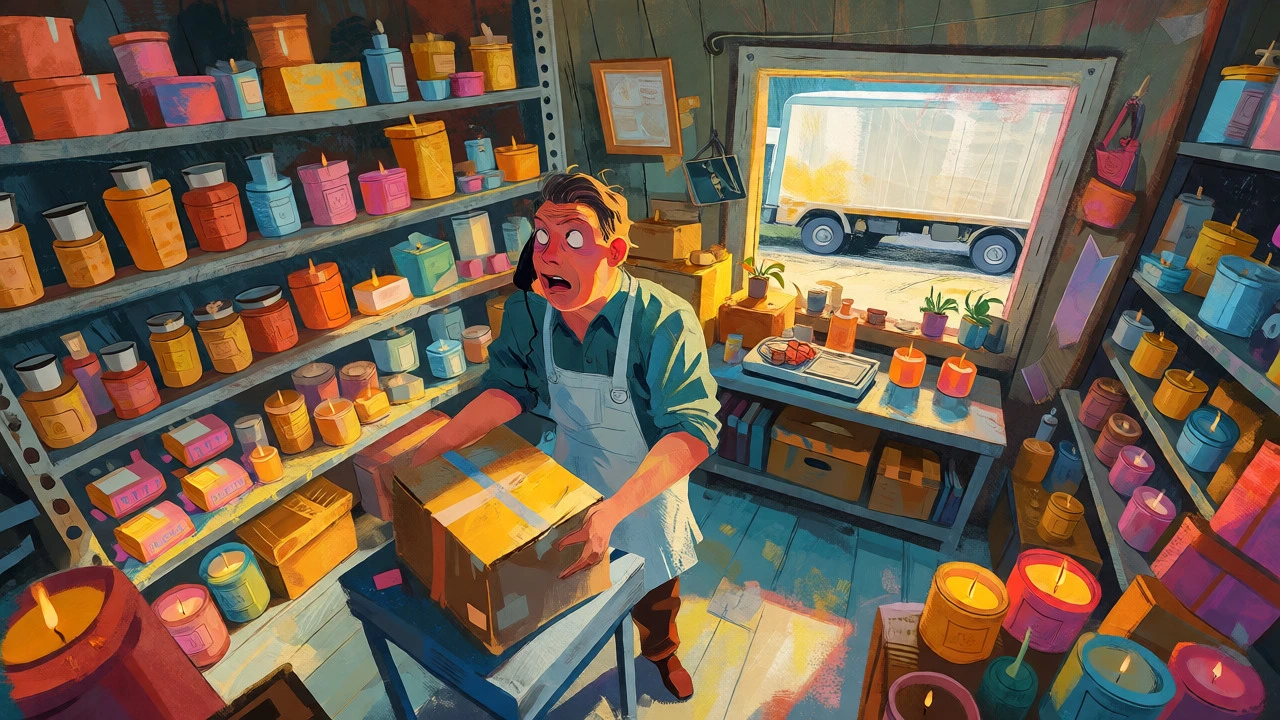
Let’s say you buy fabric for your clothing line. A large retailer orders 50,000 yards, so the mill dedicates a specific run to their exact color spec. You order 200 yards. You might get the right color, but you could also get a slightly different shade because mills mix dyes in huge vats. One bad batch of raw materials can ruin your entire inventory for the month. And if your supplier delays shipment by two weeks? You can’t afford air freight to catch up, so you miss your launch date. Your customers get frustrated, and your cash flow stalls.
Quality Control: The Human Error Factor
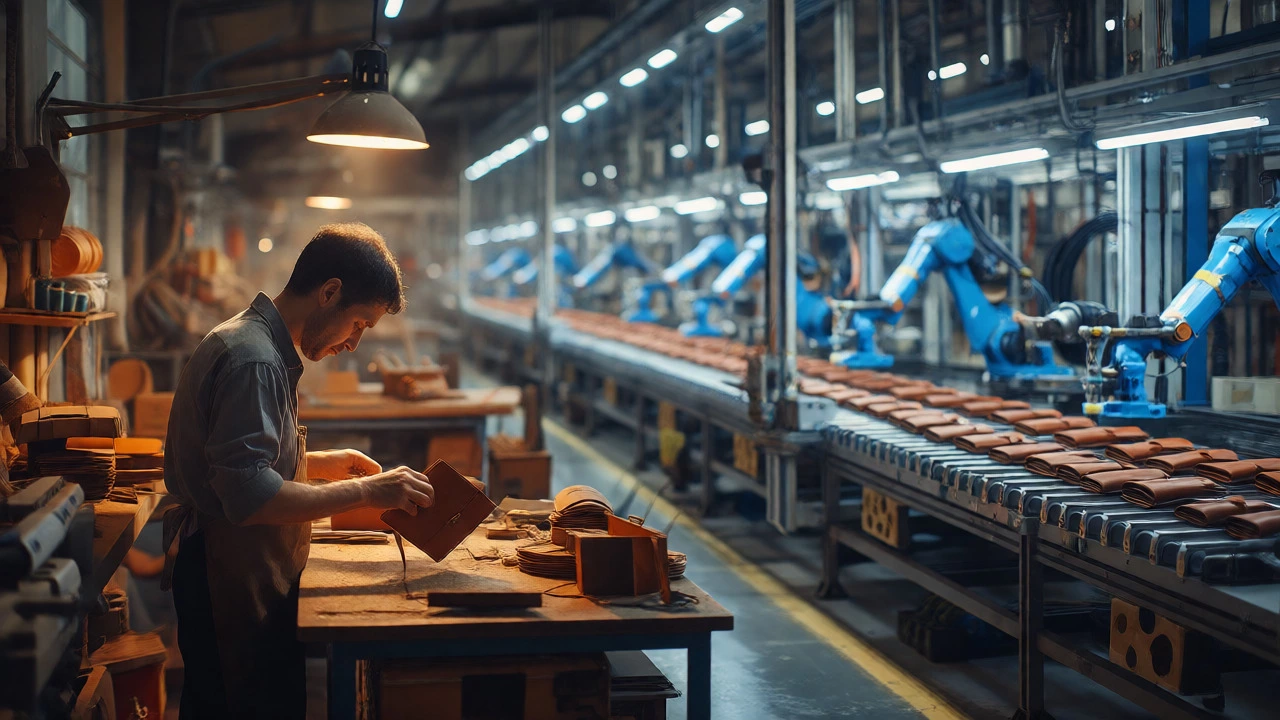
In mass production, machines do the heavy lifting. Robots weld, inject, and assemble with microscopic precision. In small-scale manufacturing, humans are often doing these tasks. Whether it’s hand-sewing, manual assembly, or artisanal finishing, human variability is inevitable.
This doesn’t mean small-batch goods are lower quality-in fact, many consumers pay a premium for "handmade" charm. But consistency is harder to achieve. One shirt might have a perfectly straight seam, while the next has a slight wobble. For some buyers, this is a feature; for others, it’s a defect. You have to decide early on: are you selling perfection or personality? If you promise perfection, you’ll spend hours inspecting and rejecting units, which drives up labor costs. If you embrace imperfection, you must market it correctly to avoid returns.

Cash Flow Crunches: The Waiting Game
Manufacturing eats cash long before it makes money. You pay for raw materials upfront. Then you pay for labor during production. Then you wait for the finished goods to be sold. Finally, you wait for retailers or platforms like Amazon to pay you (which can take 30-60 days).
During this cycle, your bank account looks empty, even if you’re "profitable" on paper. Small businesses rarely have access to cheap lines of credit. If a big order comes in unexpectedly, you might not have the cash to buy the extra materials needed to fulfill it. This forces you to turn down sales or delay shipments, stunting your growth. Many small manufacturers fail not because they don’t have customers, but because they ran out of cash while waiting for checks to clear.
Scalability Bottlenecks: Hitting the Ceiling
Success can actually be a problem. Suppose your product goes viral. Suddenly, you need to triple your output overnight. Can you? Probably not. Scaling up requires more space, more staff, and more reliable equipment. Hiring and training new workers takes time. Buying new machinery requires capital and installation downtime.
If you try to rush scaling without proper systems, quality drops, mistakes multiply, and customer service suffers. You end up in a "growth trap" where you’re too busy putting out fires to improve your processes. Unlike automated factories that can ramp up production rates by adjusting speed settings, small shops rely on people. People get tired, make errors, and need breaks. This physical limitation caps how fast you can grow without fundamentally changing your business model.
Regulatory and Compliance Headaches
Governments don’t care how small you are when it comes to safety standards. If you’re making food, electronics, or children’s toys, you must comply with strict regulations. Getting certifications like CE marking, FDA approval, or local health inspections can cost thousands of dollars and take months.
For a large company, spreading a $10,000 certification fee over a million units is negligible. For you, producing 1,000 units, that’s an extra $10 per item. Plus, keeping up with changing laws is a burden. If a new environmental regulation hits your industry, you have to adapt quickly. Large firms have legal teams for this; you might be Googling it at midnight. Ignoring compliance risks fines or product recalls, which can wipe out a small business entirely.
How to Mitigate These Limitations
So, should you give up? Absolutely not. The key is to play the game differently than the giants. Here’s how smart small manufacturers navigate these waters:
- Niche Down Hard: Don’t compete on price. Compete on specificity. If you make ergonomic keyboards, target gamers who suffer from wrist pain, not everyone who types. Niche markets tolerate higher prices for specialized solutions.
- Pre-Sell Everything: Use crowdfunding or pre-orders to fund your production run. This solves the cash flow issue and validates demand before you spend a dime on inventory.
- Standardize Processes: Even if you’re small, document your steps. Create checklists for assembly and quality control. This reduces human error and makes hiring easier later.
- Build Supplier Relationships: Treat your suppliers like partners. Pay on time, communicate clearly, and ask for advice. Good relationships can lead to flexible payment terms or priority service.
- Outsource Non-Core Tasks: Don’t try to do everything. Outsource accounting, marketing, or even packaging if it frees you up to focus on product quality and design.
Frequently Asked Questions
Why is small scale production more expensive per unit?
Small scale production lacks economies of scale. Fixed costs like equipment setup, tooling, and overhead are spread over fewer units, raising the cost per item. Additionally, small buyers often pay retail or wholesale-plus prices for materials rather than deep bulk discounts.
Can small manufacturers compete with mass-produced goods?
Yes, but not on price alone. Small manufacturers compete by offering customization, higher perceived quality, unique designs, superior customer service, and faster adaptation to trends. Consumers often pay a premium for these attributes, especially in niche markets.
What is the biggest financial risk in small scale manufacturing?
Cash flow management is the biggest risk. Manufacturers must pay for materials and labor upfront but receive revenue only after selling the product, which can take weeks or months. Running out of working capital during this gap is a common cause of failure.
How does quality control differ in small scale production?
Small scale production relies more on human inspection and skill than automated precision. This can lead to greater variability between units. While this allows for artisanal uniqueness, it requires rigorous standard operating procedures to maintain consistent quality.
Is it possible to scale up small scale production easily?
Scaling is difficult due to bottlenecks in labor, space, and capital. Rapid growth can strain quality control and supply chains. Successful scaling usually requires phased investment in automation, staff training, and stronger supplier agreements rather than immediate expansion.