Handmade Product Profit Calculator
Product Details
Cost Inputs
Breakdown
- Total Cost: $0.00
- Labor Cost: $0.00
- Gross Margin: 0%
Profit Analysis
Net Profit Per Unit
Most people think starting a manufacturing business requires a warehouse, expensive machinery, and a team of engineers. That is a myth that keeps thousands of aspiring entrepreneurs from taking the first step. The truth is, you can start making and selling products with less than $100 in startup costs using tools you likely already have at home. But what is actually the easiest thing to manufacture?
The answer depends on your definition of "easy." If easy means low skill, low cost, and high demand, then candles, soap, and wooden crafts are the top contenders. These items require minimal equipment, have simple supply chains, and sell well online or at local markets. In this guide, we will break down exactly why these products are beginner-friendly, how to make them, and where to sell them.
Why Candles Are the Best Starting Point
If you want the absolute lowest barrier to entry, candles are your best bet. You do not need a factory. You do not need a chemistry degree. All you need is wax, wicks, fragrance oils, and a heat source. The process is forgiving, meaning if your first batch looks imperfect, it still burns safely and can be sold as rustic or artisanal.
Soy Wax is a natural wax derived from hydrogenated soybean oil that is popular for candle making due to its clean burn and ease of use. It melts at a lower temperature than paraffin, which makes it safer for beginners working at home. It also holds scent well, which is crucial because smell is the primary driver of impulse buys in the candle market.
Here is why candles win the "easiest" title:
- Low Equipment Cost: You only need a double boiler (or a pot and a glass bowl), thermometer, mixing spoons, and jars. Total cost: under $50.
- Simple Supply Chain: Raw materials are available from any craft supplier or online retailer like Amazon or specialized wholesale sites.
- Scalability: You can make one candle for a friend or fifty for a weekend market without changing your workflow significantly.
- Customization: Changing the color or scent does not require new tools, just different additives.
To make a basic soy candle, you melt the wax to around 185°F (85°C), add fragrance oil (usually 6-10% of the wax weight), let it cool slightly to 135°F (57°C), pour it into the jar with a secured wick, and let it cure for 24-48 hours. That is it. No complex assembly lines, no soldering, no coding.
Soap Making: Hygiene Meets Craft
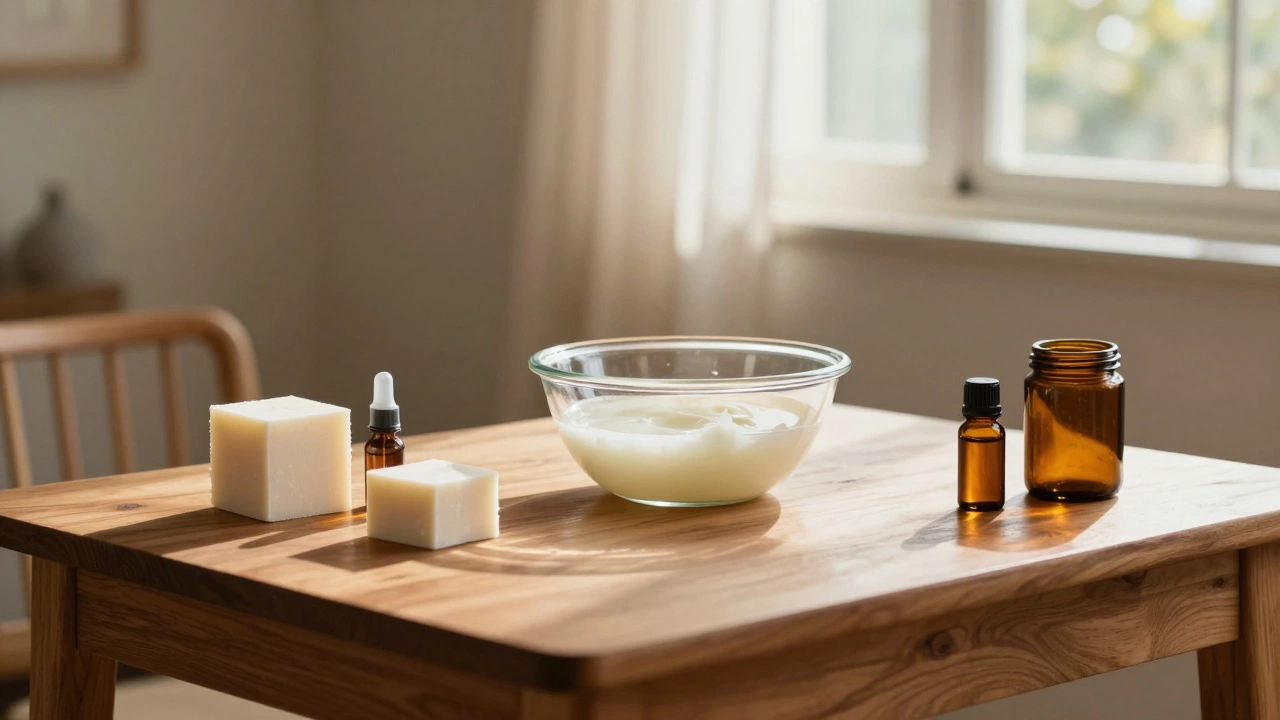
Closely following candles is soap. People always need soap, and there is a growing market for natural, chemical-free alternatives to mass-produced brands. However, soap making has two paths: melt-and-pour and cold process. For the "easiest" manufacturing experience, stick to melt-and-pour.
Melt-and-Pour Soap Base is a pre-made soap base that has already undergone saponification, allowing makers to simply melt, add ingredients, and mold. This method eliminates the need to handle lye (sodium hydroxide), which is dangerous and requires strict safety protocols. It turns soap making into a safe, kitchen-friendly activity similar to making fudge.
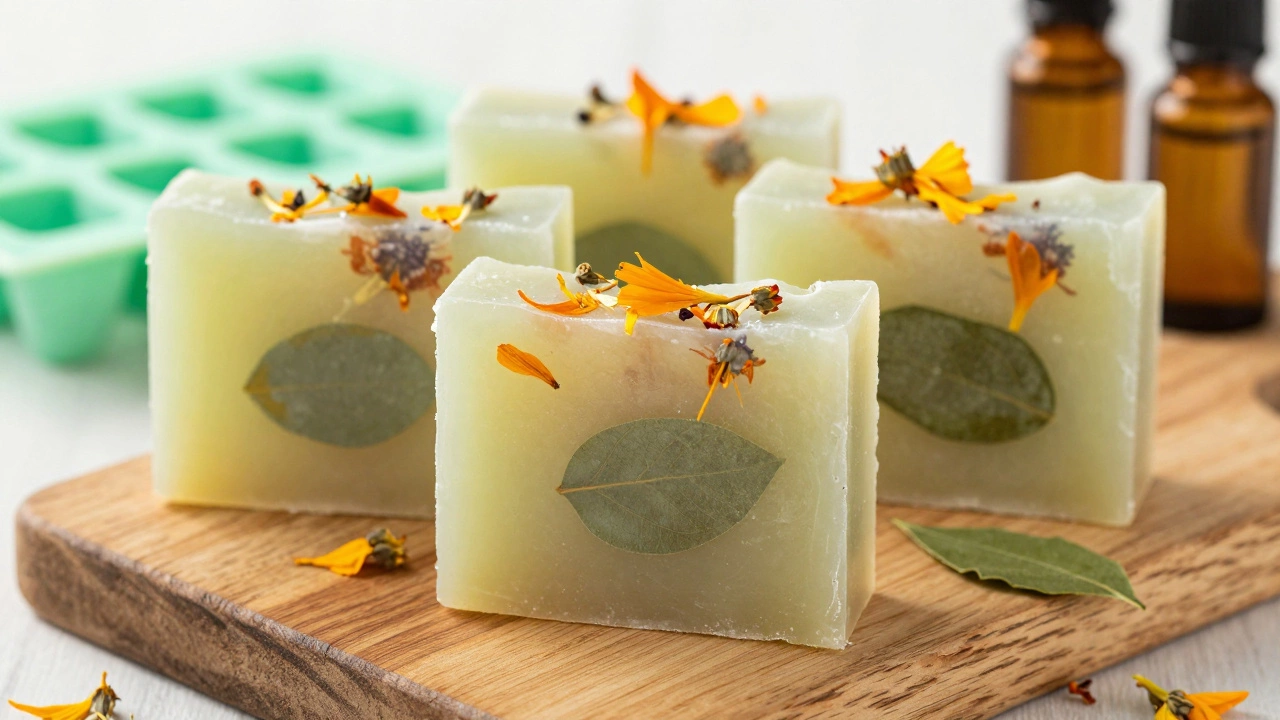
With melt-and-pour, you buy blocks of glycerin or goat milk soap base. You cut them into cubes, melt them in a microwave or double boiler, stir in essential oils, dried flowers, or colorants, and pour into silicone molds. Once hardened, you pop them out and wrap them. The profit margins are excellent because raw material costs are low, and consumers pay a premium for "handmade" and "natural" labels.
Unlike cold process soap, which requires curing for four to six weeks before sale, melt-and-pour soap is ready to sell within 24 to 48 hours. This quick turnaround helps cash flow, which is critical for small businesses.
Woodworking: High Value, Moderate Skill
If you prefer working with durable goods rather than consumables, woodworking is a strong candidate. While it requires more physical effort and some tool investment, the value per unit is higher. A single wooden cutting board can sell for $30-$50, whereas a candle might sell for $15.
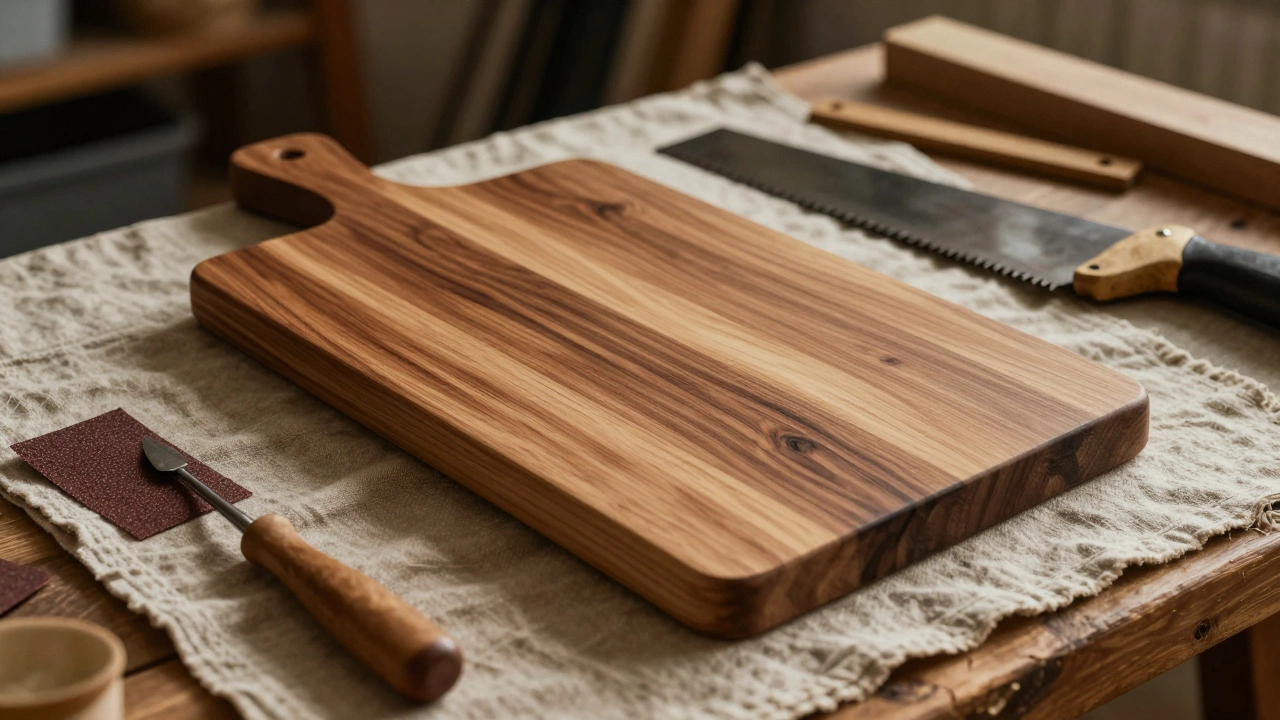
The easiest wood products to manufacture are those that do not require joinery (like dovetails or mortise and tenon). Think flat surfaces: cutting boards, serving trays, phone stands, and simple picture frames.
You do not need a massive workshop. A hand saw, sandpaper, and a drill are enough to start. Many beginners use reclaimed wood from pallets or scrap yards, reducing material costs to nearly zero. The key here is finishing. A smooth sand job and a food-safe mineral oil finish make a rough piece of wood look professional and expensive.
Woodworking appeals to a different customer segment than candles. Buyers often look for heirloom quality, durability, and personalization. Engraving names or dates adds significant perceived value with minimal extra labor if you have access to a laser engraver or even a hand-carving tool.
Comparison of Beginner-Friendly Products
| Product Type | Startup Cost | Skill Level | Time to Market | Profit Margin |
|---|---|---|---|---|
| Candles | $50 - $100 | Very Low | 1-3 Days | High (60-70%) |
| Melt-and-Pour Soap | $30 - $80 | Very Low | 1-2 Days | High (50-65%) |
| Wooden Crafts | $100 - $300 | Medium | 2-5 Days | Medium-High (40-60%) |
| Jewelry (Clay/Resin) | $40 - $90 | Low-Medium | 1-3 Days | Very High (70-80%) |
Marketing Your Handmade Goods
Making the product is only half the battle. You need to sell it. The beauty of these easy-to-manufacture items is that they are highly visual and emotional, which makes them perfect for social media marketing.
Platforms like Instagram, TikTok, and Pinterest thrive on "behind-the-scenes" content. Show the process of pouring wax, mixing soap colors, or sanding wood. People love watching creation processes; it builds trust and desire. You do not need a professional studio. Good natural light and a clean background are sufficient.
Start by selling locally. Farmers' markets, craft fairs, and consignment shops in local boutiques allow you to test your pricing and get immediate feedback without paying shipping costs. Once you have a consistent stream of orders, expand to online marketplaces like Etsy or your own Shopify store.
Packaging matters. Since these items are often gifts, attractive packaging increases the perceived value. Use recycled paper, twine, and handwritten tags to reinforce the handmade aesthetic. Customers are not just buying a candle; they are buying the story of someone who made it with care.
Common Pitfalls to Avoid
Even with easy products, mistakes happen. Here are three common errors beginners make:
- Underpricing: Many new makers forget to calculate their time. If a candle takes 20 minutes to make and materials cost $3, do not sell it for $5. Factor in overhead, marketing, and your hourly wage. Aim for at least a 50% gross margin.
- Inconsistent Quality: As you scale, maintaining consistency becomes harder. Keep detailed notes on temperatures, mixing times, and ratios for every batch. This documentation allows you to replicate success and troubleshoot failures.
- Ignoring Regulations: Even simple products have rules. Candles and soaps may require specific labeling regarding ingredients and warnings. Check local regulations for cosmetic and household product sales to avoid fines or legal issues.
Scaling Up Without Losing Control
As demand grows, you will face bottlenecks. How do you scale without turning your home into a chaotic factory? Start by batching production. Instead of making one candle at a time, make ten. Melting wax for ten jars simultaneously saves energy and time.
Invest in better tools gradually. A larger melting pot, multiple molds, and a label printer can double your output without doubling your effort. Consider outsourcing non-core tasks. If packaging is slowing you down, hire a part-time helper or use a fulfillment service once your order volume justifies it.
Remember, the goal of starting with an easy product is not to stay small forever. It is to validate your business model, build a customer base, and generate revenue. Once you have mastered candles, you can expand into related products like bath bombs, room sprays, or wooden accessories, leveraging your existing audience and brand reputation.
Do I need a license to sell homemade candles or soap?
Requirements vary by location. In many places, you need a general business license and possibly a home occupation permit. For cosmetics like soap, you may need to register with health authorities. Always check local laws and FDA guidelines if you are in the US, or equivalent bodies in other countries.
Where can I buy supplies for candle making cheaply?
Look for wholesale suppliers specializing in candle making materials. Websites like Bramble Berry, CandleScience, and Bulk Apothecary offer bulk discounts. Buying wax and wicks in larger quantities significantly reduces your cost per unit.
Is it profitable to make jewelry at home?
Yes, jewelry often has the highest profit margins because materials like clay, resin, or wire are inexpensive, but the finished product can command high prices due to design and branding. Polymer clay earrings, for example, can cost $0.50 to make and sell for $15-$20.
How long does it take to learn candle making?
You can make your first candle in an afternoon. Mastering techniques like preventing tunneling, ensuring even burning, and achieving perfect scent throw may take a few weeks of practice. Online tutorials and YouTube channels provide free, step-by-step guidance.
Can I manufacture these products in a small apartment?
Absolutely. Candles and melt-and-pour soap require minimal space and ventilation. Woodworking might produce dust, so ensure you have good airflow or work outdoors. Always check your lease agreement for restrictions on home-based businesses.