Textile Sourcing Hub Finder
Not sure where to source your fabrics? Select your primary product focus below to discover the specialized Indian city best suited for your needs.
Please select a product category above to see recommended sourcing hubs.
You might think the answer to "what is the textile capital of the world" is a single city in China or maybe Italy. But if you look at raw production volume, export diversity, and employment numbers, the spotlight shifts sharply toward India. Specifically, it points to a cluster of cities that dominate different slices of the fabric pie. There isn't one single winner; there are specialized champions.
Why does this matter? If you're sourcing fabrics, starting a fashion brand, or just curious about where your clothes come from, knowing these hubs saves you time and money. You need to know who makes what. Is it Surat for synthetic blends? Or Bhilwara for cotton yarn? Let's break down the real heavyweights in the global supply chain as of 2026.
Why India Dominates the Global Textile Map
India holds the second-largest position globally in textile manufacturing, right after China. But here’s the twist: while China dominates high-volume, low-cost mass production, India often leads in quality, variety, and specific niches like handloom and organic cotton. The country contributes nearly 5% to its GDP and employs over 45 million people directly.
The reason India gets called a "textile hub" isn't just about size. It’s about vertical integration. From growing the cotton in Gujarat to spinning the yarn in Rajasthan to weaving the fabric in Tamil Nadu, the entire chain exists within one border. This reduces logistics costs and speeds up lead times. For buyers, this means less risk and more control.
Surat: The Silk City and Synthetic Hub
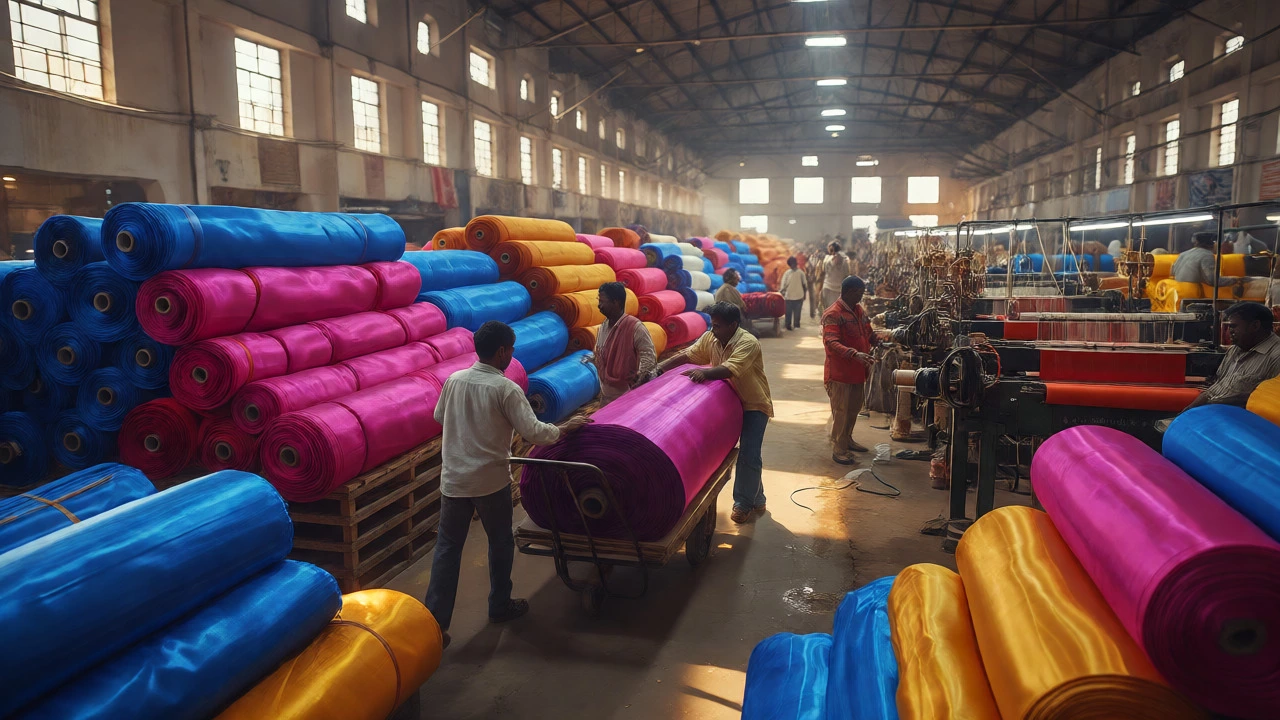
If you ask anyone in the trade about the largest man-made fiber (MMF) market, they’ll say Surat, Gujarat. Often dubbed the "Silk City," Surat handles a massive chunk of India’s polyester and viscose production. It’s not just about traditional silk anymore; it’s about affordable, trendy fabrics for fast fashion.
Surat’s power comes from its sheer scale. The city has thousands of power looms running around the clock. When you walk through the textile markets here, you see mountains of rolls ready for shipment. The infrastructure supports rapid turnaround. Designers love Surat because they can get custom prints and weaves quickly without the minimum order quantities (MOQs) that plague other regions.
However, Surat faces challenges. Environmental regulations regarding effluent treatment from dyeing units have tightened. Buyers need to check if their suppliers comply with local environmental norms. Non-compliance can halt shipments overnight.
Bhilwara: The Spinning Capital of Asia
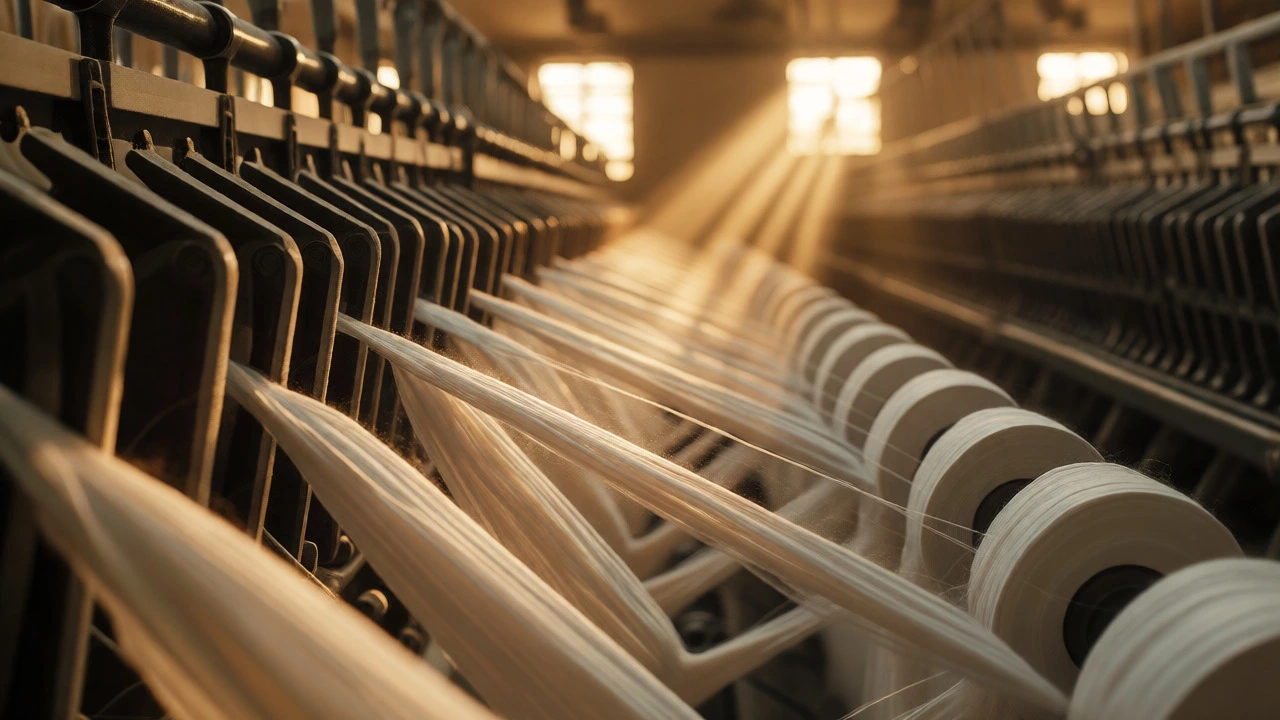
Move north to Rajasthan, and you hit Bhilwara. This city doesn’t make finished garments. It makes the thread. Bhilwara is arguably the most important node in the upstream supply chain. It processes cotton into yarn, which then travels to weaving centers across India and abroad.
Why is Bhilwara critical? Because yarn quality dictates fabric quality. Bhilwara mills use advanced ring frame technology to produce fine counts of cotton yarn. If you’re looking for consistent, high-strength yarn for bed linens or shirting, this is where you start. The proximity to cotton-growing belts in Gujarat and Rajasthan gives Bhilwara a logistical advantage. Raw material arrives fresh, reducing moisture loss and waste.
| City | Primary Focus | Strengths | Best For |
|---|---|---|---|
| Surat | Synthetics & Silk | High volume, fast turnaround, low MOQs | Fast fashion, sarees, dress materials |
| Bhilwara | Cotton Yarn | Quality consistency, raw material access | Bed linen, denim, shirting fabrics |
| Tirupur | Knitwear Garments | Export expertise, compliance standards | T-shirts, sweatshirts, activewear |
| Ludhiana | Woolens & Knits | Winter wear specialization, hosiery | Sweaters, socks, thermal wear |
Tirupur: The Knitwear Export King
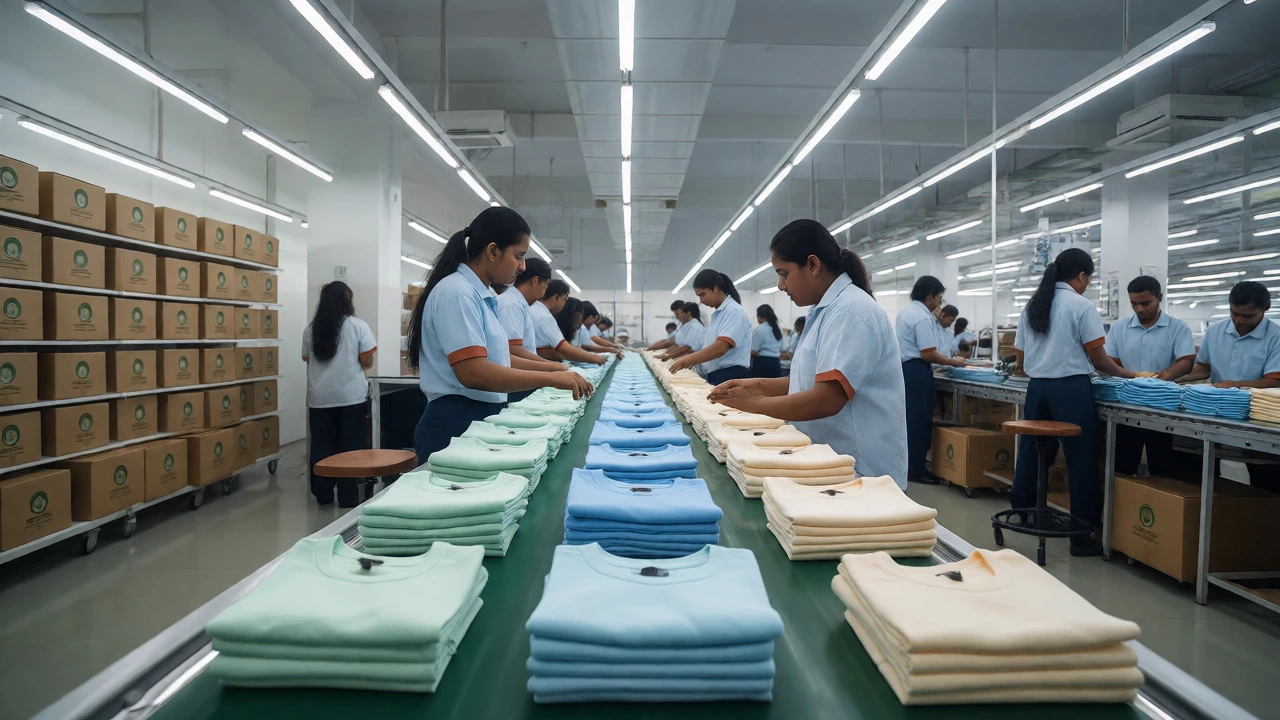
Tirupur in Tamil Nadu is a different beast. It’s the heart of India’s knitwear exports. If you’ve ever bought a branded T-shirt made in India, chances are it started life in Tirupur. This city has built an ecosystem specifically for cotton knits-T-shirts, polo shirts, and loungewear.
Tirupur shines because of its compliance culture. Many factories here hold certifications like GOTS (Global Organic Textile Standard) and OEKO-TEX. Western brands demand these. Tirupur delivers them consistently. The cluster includes everything from knitting machines to washing plants and packaging units. This integration allows for quick sampling and reliable bulk production.
But don’t overlook the water issues. Tirupur has faced severe scrutiny over groundwater depletion and effluent discharge. The Zero Liquid Discharge (ZLD) policy forced many small units to close or upgrade. Today, only compliant units survive. As a buyer, this is good news-it means fewer surprises with audits.
Ludhiana: Winter Wear and Hosiery Central
In the north, Ludhiana rules the woolen and hosiery segment. Known as the "Manchester of North India," Ludhiana produces millions of sweaters, socks, and caps annually. While Surat handles summer fabrics, Ludhiana keeps the world warm.
Ludhiana’s strength lies in its machinery. The city has one of the highest concentrations of circular knitting machines in Asia. This allows for intricate patterns and varied gauges. However, the industry is seasonal. Production peaks between June and September for winter exports. If you miss the window, you wait until next year.
Recent trends show Ludhiana diversifying into technical textiles and medical-grade knits. The shift away from pure wool to acrylic blends has helped manage costs. Buyers looking for affordable winter wear should look here, but always verify fiber content claims.
How to Choose Your Sourcing Hub
Picking the right "capital" depends on your product. Are you making luxury evening wear? Go to Varanasi or Surat. Making basic cotton tees? Tirupur is your best bet. Need durable bed sheets? Source yarn from Bhilwara and weave in Coimbatore.
- Check Compliance: Always ask for audit reports. Certifications like WRAP or SMETA matter for US and EU buyers.
- Visit Before Committing: Photos lie. See the factory floor. Check hygiene and worker conditions.
- Negotiate MOQs: Large hubs like Surat offer flexibility. Smaller clusters may require higher minimums.
- Plan for Lead Times: Festivals like Diwali shut down production for weeks. Factor this into your calendar.
Don’t fall for the myth that one city does it all. The global textile map is fragmented. Success comes from matching your needs to the right specialist. India’s decentralized model actually benefits buyers who know how to navigate it.
Frequently Asked Questions
Is Surat really the largest textile market in the world?
Surat is the largest man-made fiber (MMF) trading center in the world. While Guangzhou in China handles more total volume, Surat leads in synthetic fabric variety and turnover speed for non-cotton materials.
Which city is best for organic cotton sourcing?
Tirupur and Erode in Tamil Nadu are top choices for organic cotton knitwear due to widespread GOTS certification. For woven organic cotton, look toward Coimbatore and parts of Maharashtra.
Why is Bhilwara called the Manchester of India?
Bhilwara earns this title due to its massive concentration of spinning mills producing cotton yarn. It serves as the primary supplier of raw material for weaving units across India, much like Manchester did during the industrial revolution.
Are Indian textile prices competitive with Bangladesh?
Bangladesh often wins on labor cost for basic garments. However, India competes well on value-added products, complex designs, and smaller batch sizes. Total landed cost may be similar when factoring in logistics and quality control risks.
What are the main challenges facing Indian textile hubs?
Key challenges include strict environmental regulations (especially ZLD), rising labor costs, and competition from Vietnam and Bangladesh. Additionally, infrastructure bottlenecks in port logistics can delay exports.