When you think about what keeps India’s factories, farms, and homes running, you probably don’t picture chemicals. But they’re everywhere - in the soap you use, the fertilizer that feeds crops, the medicines that treat illness, and even the plastic bags you carry groceries in. Among the hundreds of chemicals manufactured and consumed across the country, one stands out not because it’s flashy, but because it’s absolutely essential: sodium hydroxide.
Sodium Hydroxide: The Backbone of Indian Industry
Sodium hydroxide, also called caustic soda, isn’t glamorous. It’s a white, solid crystal that dissolves violently in water and can burn skin on contact. But that’s exactly why it’s so valuable. In India, over 2.5 million metric tons of sodium hydroxide are used every year. That’s more than any other industrial chemical. It’s the workhorse behind soap, detergents, paper, textiles, and even aluminum production.
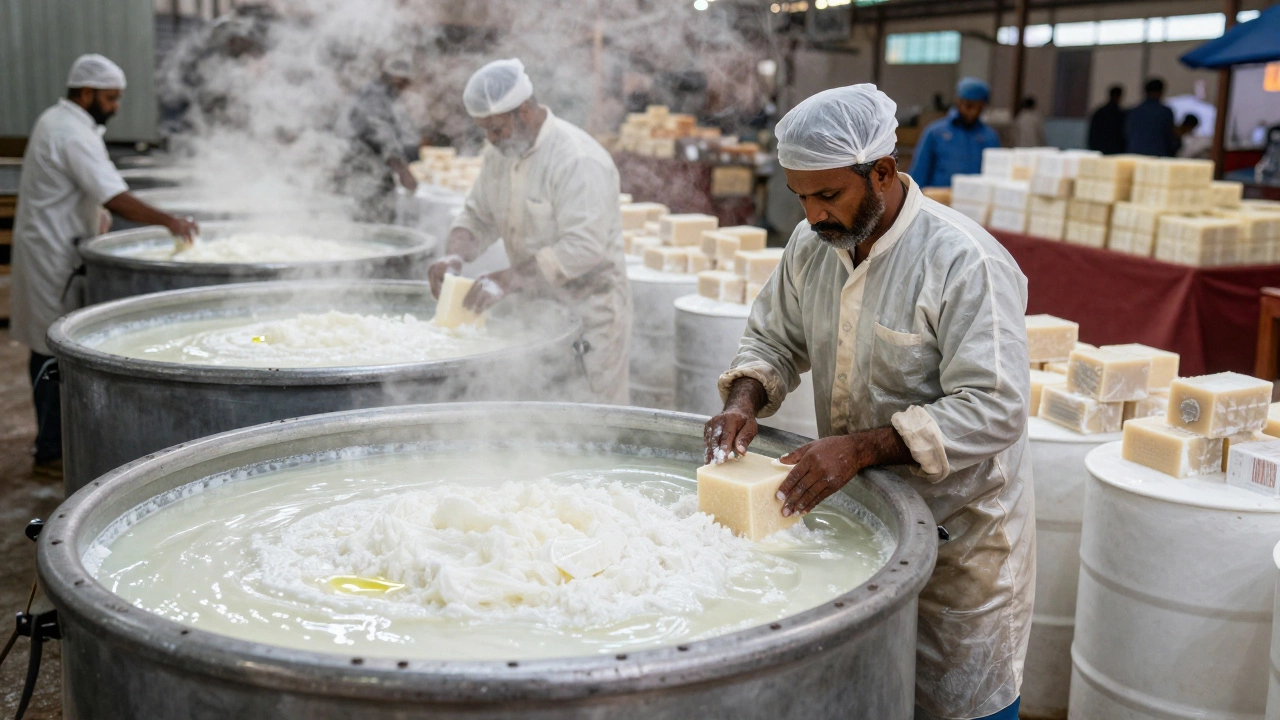
Take soap and cleaning products. Nearly 70% of all household and industrial cleaners in India rely on sodium hydroxide to turn oils into soap through saponification. Without it, the billions of bars of soap sold annually across rural markets and urban supermarkets wouldn’t exist. The same goes for laundry detergents - especially the cheap, high-volume brands that dominate low-income households.
It’s also critical in the paper industry. Indian paper mills use sodium hydroxide to break down wood pulp into usable fibers. With over 900 paper mills operating nationwide, from Tamil Nadu to Uttar Pradesh, this chemical keeps the entire supply chain moving. Even the cardboard boxes that deliver e-commerce orders across the country depend on it.
Ammonia: The Hidden Hero of Indian Agriculture
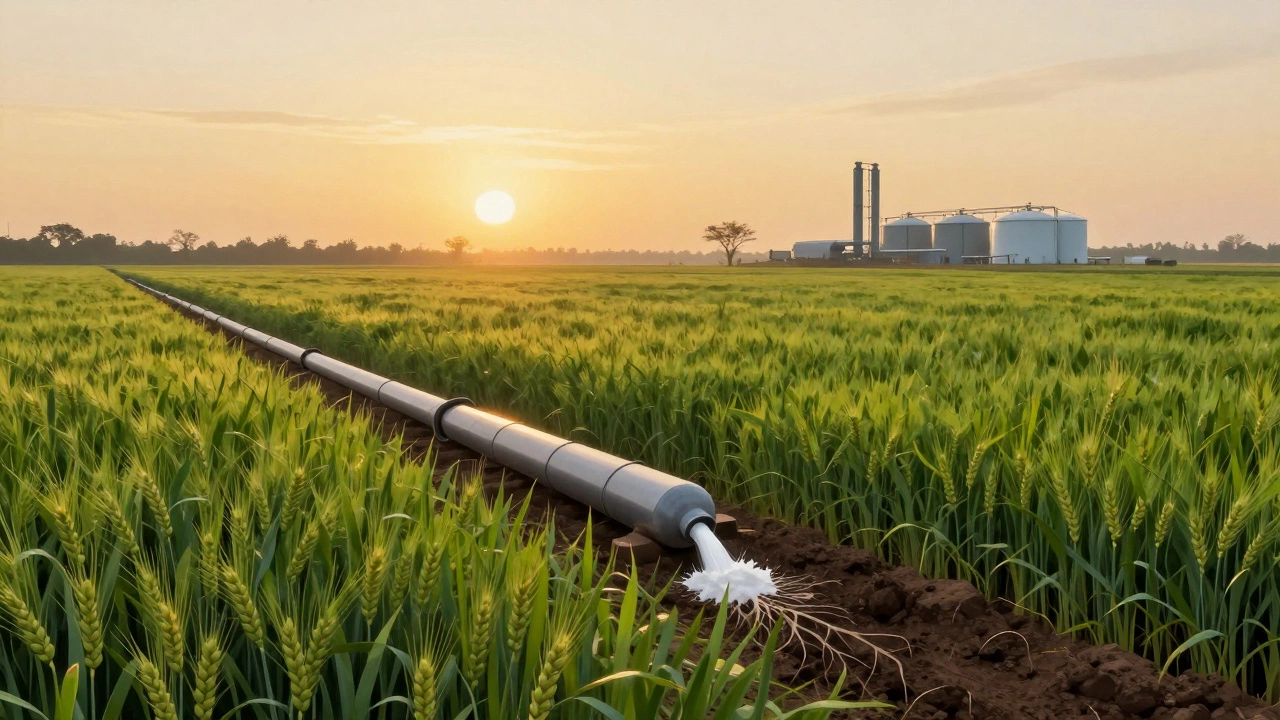
If sodium hydroxide powers homes and factories, then ammonia is what feeds the nation. India is the second-largest producer of nitrogen fertilizers in the world, and ammonia is the starting point for almost all of them. Over 15 million metric tons of ammonia are produced annually, mostly through coal-based plants in Gujarat, Rajasthan, and Uttar Pradesh.
Ammonia gets converted into urea, the most common fertilizer used by Indian farmers. Without it, crop yields would drop by 30-40%. That’s not just an economic problem - it’s a food security crisis. The government subsidizes urea heavily because it knows the country can’t afford to go without it. Even organic farmers indirectly rely on ammonia-derived fertilizers, since many organic-certified inputs are blended with synthetic nitrogen.
Ammonia also shows up in refrigeration, especially in large cold storage units that preserve milk, vegetables, and meat. As India’s cold chain infrastructure expands, demand for ammonia as a refrigerant is growing faster than ever.
Sulfuric Acid: The Glue of Industrial India
While sodium hydroxide and ammonia are stars in their own right, sulfuric acid is the silent connector. It’s used to make phosphate fertilizers, which combine with ammonia to create NPK blends - the gold standard for crop nutrition. India imports over 60% of its phosphoric acid, but nearly all of it gets turned into sulfuric acid domestically before being used.
Sulfuric acid is also vital for metal processing. Steel plants use it to clean and prepare iron surfaces before coating or rolling. Battery manufacturers rely on it to produce lead-acid batteries - the kind that power everything from motorcycles to inverters in rural homes. With over 100 million two-wheelers on Indian roads, battery demand is massive.
It even shows up in textile dyeing and wastewater treatment. Many small-scale dyeing units in Surat and Tirupur use sulfuric acid to fix colors and adjust pH levels. Without it, fabric production would stall.
Other Key Chemicals in Daily Use
Sodium hydroxide, ammonia, and sulfuric acid dominate, but they’re not alone.
- Chlorine - Used to disinfect drinking water in over 80% of municipal systems. It’s also the base for PVC pipes and household bleach.
- Hydrochloric acid - Cleans industrial boilers and removes rust from steel. Widely used in small workshops and auto repair shops.
- Calcium carbide - Still used in rural areas to ripen fruits like mangoes and bananas. Though banned in many places, enforcement is patchy.
- Acetone - Found in nail polish removers, paint thinners, and pharmaceutical solvents. Demand has surged with the growth of beauty and generic drug industries.
Each of these chemicals has its own supply chain, often tied to regional strengths. Gujarat has the largest concentration of chemical plants, followed by Maharashtra and Tamil Nadu. But smaller units in Bihar, Odisha, and Madhya Pradesh are growing fast, supplying local markets with basic industrial inputs.
Why These Chemicals Matter More Than You Think
It’s easy to overlook chemicals because they’re hidden. You don’t see sodium hydroxide in your soap - you just see the lather. You don’t see ammonia in your rice - you just see the harvest. But without them, modern life in India collapses.
Imagine a day without soap. No cleaning, no hygiene, rising infections. No fertilizer - lower yields, higher food prices, more hunger. No sulfuric acid - fewer batteries, broken inverters, power outages in villages. These aren’t hypotheticals. They’re real risks.
India’s chemical industry is growing at 7% annually, faster than the overall economy. That’s not because of flashy tech or exports. It’s because these basic chemicals are the foundation of everything else: agriculture, manufacturing, sanitation, energy.
What’s Changing Now?
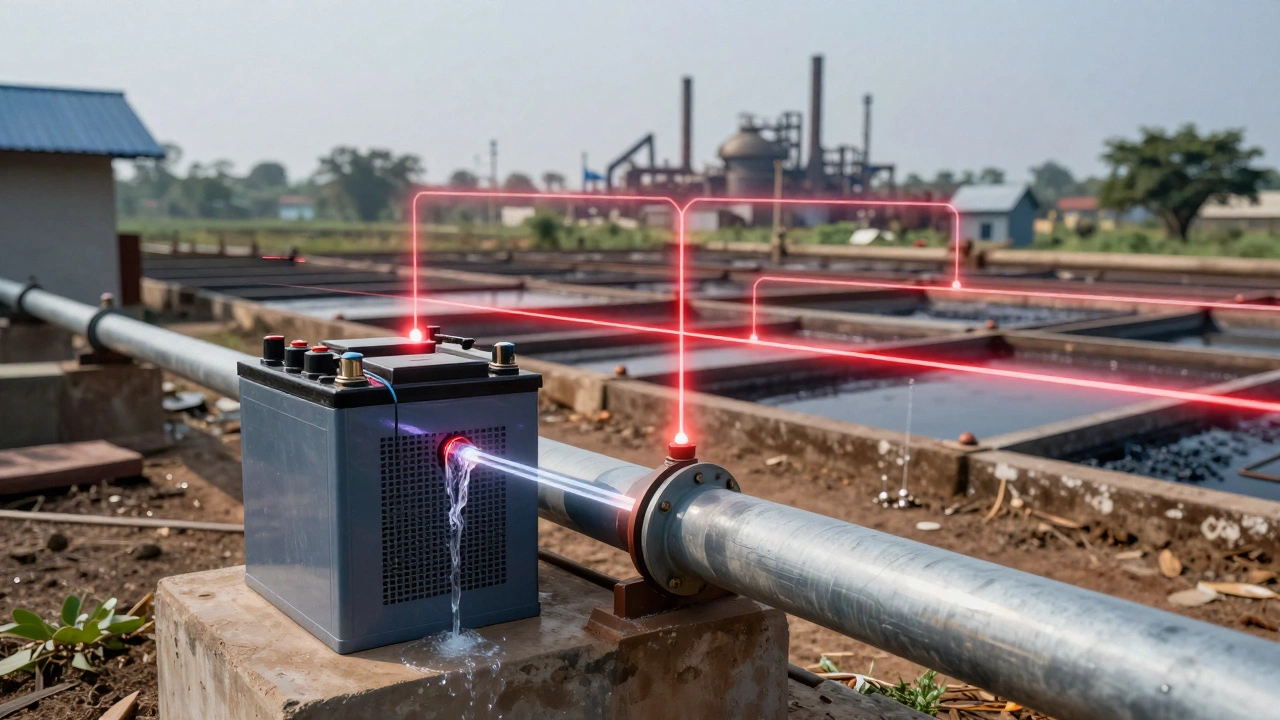
Two big shifts are happening. First, the government is pushing for domestic production of critical chemicals to reduce imports. The Production Linked Incentive (PLI) scheme for specialty chemicals now covers sodium hydroxide, chlorine, and sulfuric acid. New plants are being built with better efficiency and lower emissions.
Second, there’s growing pressure to replace toxic chemicals with safer alternatives. Calcium carbide for fruit ripening is being phased out in favor of ethylene gas. Plastic packaging is being replaced by biodegradable films made from starch - which still need sodium hydroxide to process.
But change is slow. Millions of small businesses still rely on old methods. Until alternatives are affordable and widely available, these traditional chemicals will keep running India’s economy.
| Chemical | Annual Usage (Metric Tons) | Main Applications |
|---|---|---|
| Sodium Hydroxide | 2.5 million | Soap, detergents, paper, textiles, aluminum |
| Ammonia | 15 million | Fertilizers (urea), refrigeration, industrial cleaning |
| Sulfuric Acid | 12 million | Fertilizers, batteries, metal cleaning, dyeing |
| Chlorine | 1.8 million | Water disinfection, PVC, bleach |
| Hydrochloric Acid | 800,000 | Rust removal, boiler cleaning, pharmaceuticals |
What’s Next?
The future of India’s chemical use isn’t about finding new chemicals - it’s about using existing ones smarter. Cleaner production. Less waste. Better recycling. Sodium hydroxide won’t disappear. Ammonia won’t be replaced overnight. But how they’re made and how they’re used is changing.
For businesses, this means opportunities in recycling caustic soda waste, producing green ammonia from solar-powered hydrogen, or developing safer alternatives for fruit ripening. For everyday people, it means cleaner water, more reliable power, and food that’s cheaper and more abundant.
So when someone asks, "Which chemical is highly used in India?" - the answer isn’t just one. It’s a handful. And they’re all quietly holding the country together.
Is sodium hydroxide dangerous to handle?
Yes, sodium hydroxide is highly corrosive. It can cause severe burns on skin and eyes, and inhaling its dust can damage lungs. Workers in chemical plants use protective gear, and strict safety protocols are enforced under India’s Factories Act. For households, it’s mostly found in diluted forms like drain cleaners or soap bars, which are much safer when used as directed.
Why is ammonia so important for Indian farmers?
Ammonia is the raw material for urea, the most common fertilizer in India. Over 70% of Indian farmland relies on urea-based fertilizers to grow staple crops like wheat and rice. Without ammonia, fertilizer production would collapse, leading to lower yields and higher food prices. The government subsidizes urea because it’s essential for food security.
Are Indian chemical plants environmentally harmful?
Some older plants, especially small ones in rural areas, still discharge untreated waste into rivers or release fumes. But regulations are tightening. The Central Pollution Control Board now requires all major chemical plants to install effluent treatment systems and monitor emissions. New plants built under government incentives must meet strict environmental standards from day one.
Which state produces the most chemicals in India?
Gujarat leads in chemical production, accounting for nearly 40% of India’s total output. Cities like Dahej, Hazira, and Vadodara host massive chemical complexes. Maharashtra and Tamil Nadu follow, with strong presence in pharmaceuticals and specialty chemicals. These states have port access, skilled labor, and infrastructure that support large-scale manufacturing.
Can India stop importing chemicals?
India still imports certain specialty chemicals like high-purity phosphoric acid and rare catalysts. But for bulk chemicals - sodium hydroxide, ammonia, sulfuric acid - domestic production meets over 85% of demand. The government’s PLI scheme aims to close the remaining gap by 2030, focusing on self-reliance in critical industrial inputs.