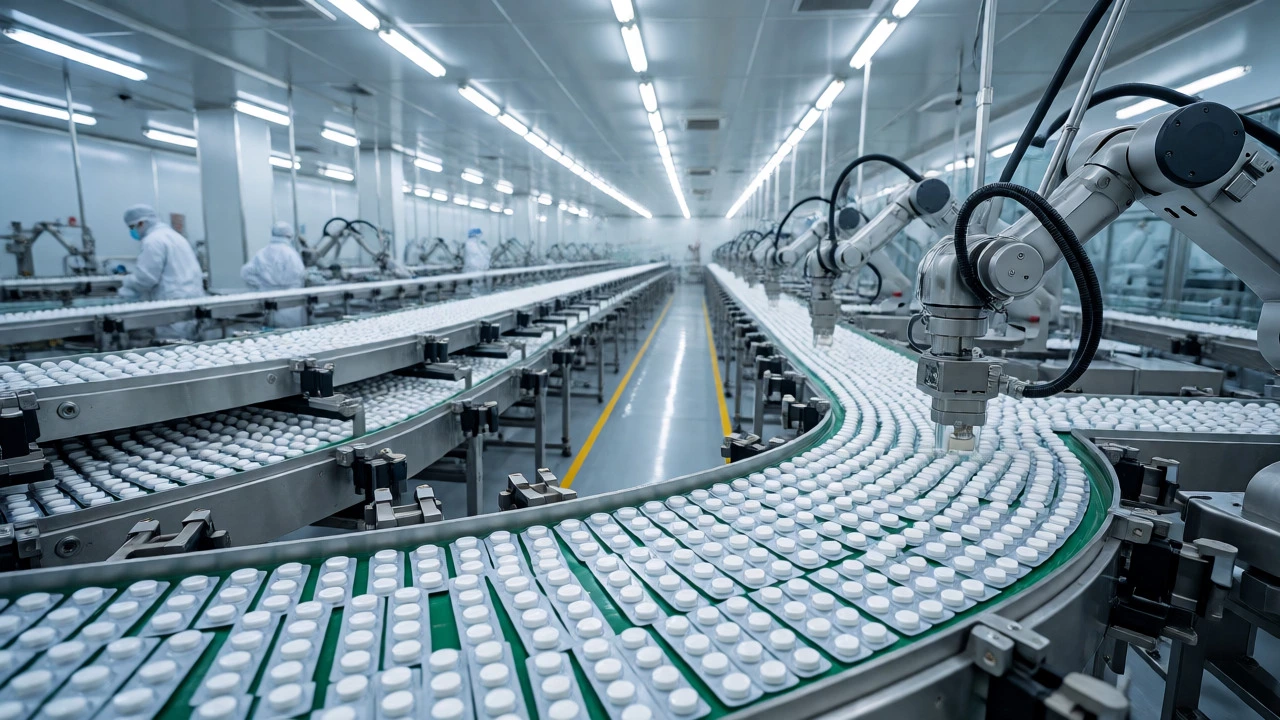
Global Pharma Leader Finder
There is no single "best" country for pharmaceuticals. Choose your priority below to see which nation leads in that specific area.
You might assume the answer to "which country has the best pharma" is obvious. Maybe you picture sleek labs in Switzerland or massive R&D hubs in Boston. But if you define "best" by who actually keeps the world’s medicine cabinets stocked, the answer shifts dramatically. It’s not just about where the newest cancer drug is invented; it’s about where the affordable pills that treat millions of diabetics and heart patients are made. This distinction matters because the pharmaceutical landscape isn’t a single leaderboard-it’s a complex web of innovation, scale, cost-efficiency, and regulatory trust.
For years, the United States and Europe have dominated headlines with breakthrough biologics and high-price tag therapies. Meanwhile, India quietly became the "pharmacy of the world," supplying over 20% of global generic medicines. The truth is, there is no single "best" country. There are different champions for different jobs. If you need cutting-edge gene therapy, you look one way. If you need affordable antibiotics at scale, you look another. Let’s break down who leads where, why India is such a powerhouse, and how these nations compare when you strip away the marketing hype.
Defining "Best": Innovation vs. Accessibility
Before we pick a winner, we have to agree on the metrics. Are we judging countries by their ability to create new molecules from scratch (innovation), or their ability to produce existing drugs cheaply and reliably (accessibility)? These are two very different skill sets.
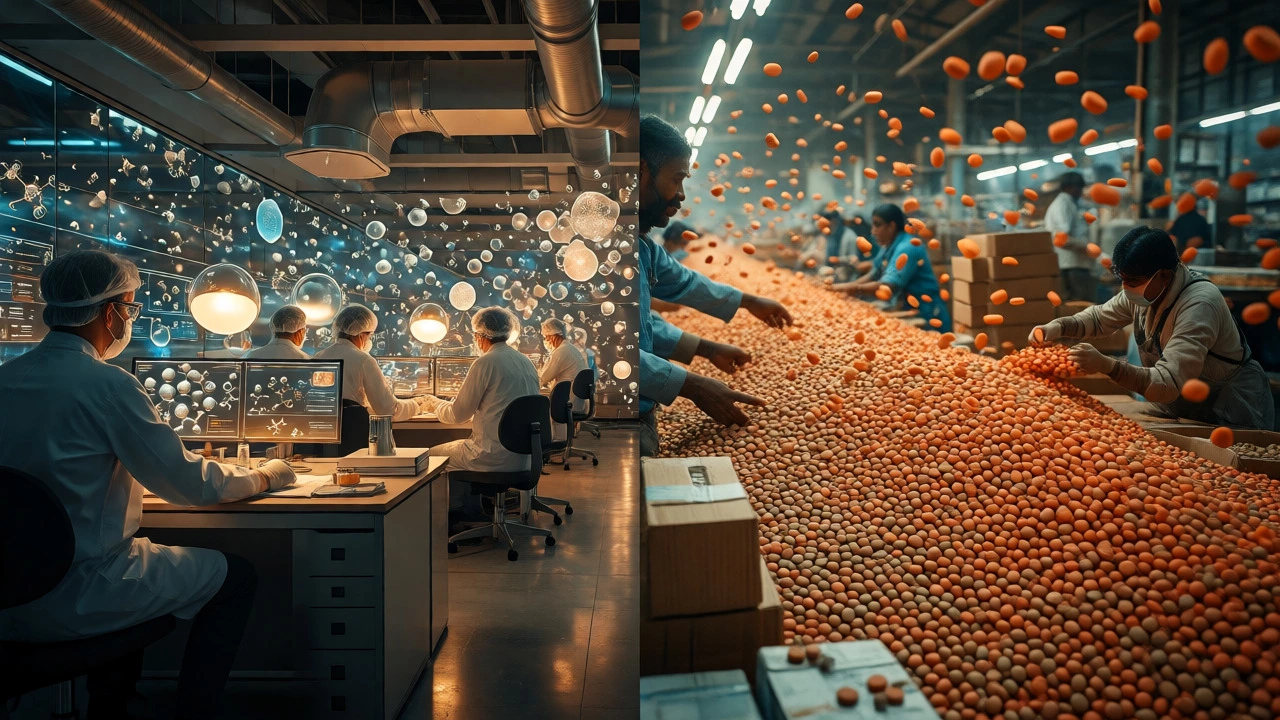
Innovation is driven by heavy investment in Research and Development (R&D). Countries like the US, Switzerland, and Germany spend billions annually to discover new compounds. They hold the patents. They charge premium prices because they took the risk. Think of Moderna’s mRNA vaccines or Pfizer’s Paxlovid. These were born in Western labs.
Accessibility, however, relies on manufacturing efficiency and raw material supply. This is where India shines as a leader in generic pharmaceutical production. Once a patent expires, Indian manufacturers reverse-engineer the drug, source active pharmaceutical ingredients (APIs) often from China, and produce them at a fraction of the cost. This makes them indispensable for global health systems, especially in developing nations.
So, when you ask which country is best, ask yourself: Do I want the cure that doesn’t exist yet, or the treatment I can afford today?
The Case for India: The Pharmacy of the World
If volume and affordability are your criteria, India is arguably the undisputed champion. Why? Because no other nation matches its combination of skilled labor, low production costs, and massive scale. India supplies nearly 60% of all vaccines worldwide. During the pandemic, this capacity was critical. While Western nations struggled with supply chains, Indian factories churned out doses for COVAX and bilateral deals across Africa and Asia.
The strength of the Indian Pharmaceutical Industry lies in its generics sector. Companies like Sun Pharma, Cipla, and Dr. Reddy’s Labs operate globally. They don’t just serve local markets; they export to the US, Europe, and emerging economies. Their advantage isn’t magic-it’s engineering. They’ve optimized every step of the manufacturing process to reduce waste and time. A tablet that costs $1.50 in the US might cost $0.05 to produce in Hyderabad.
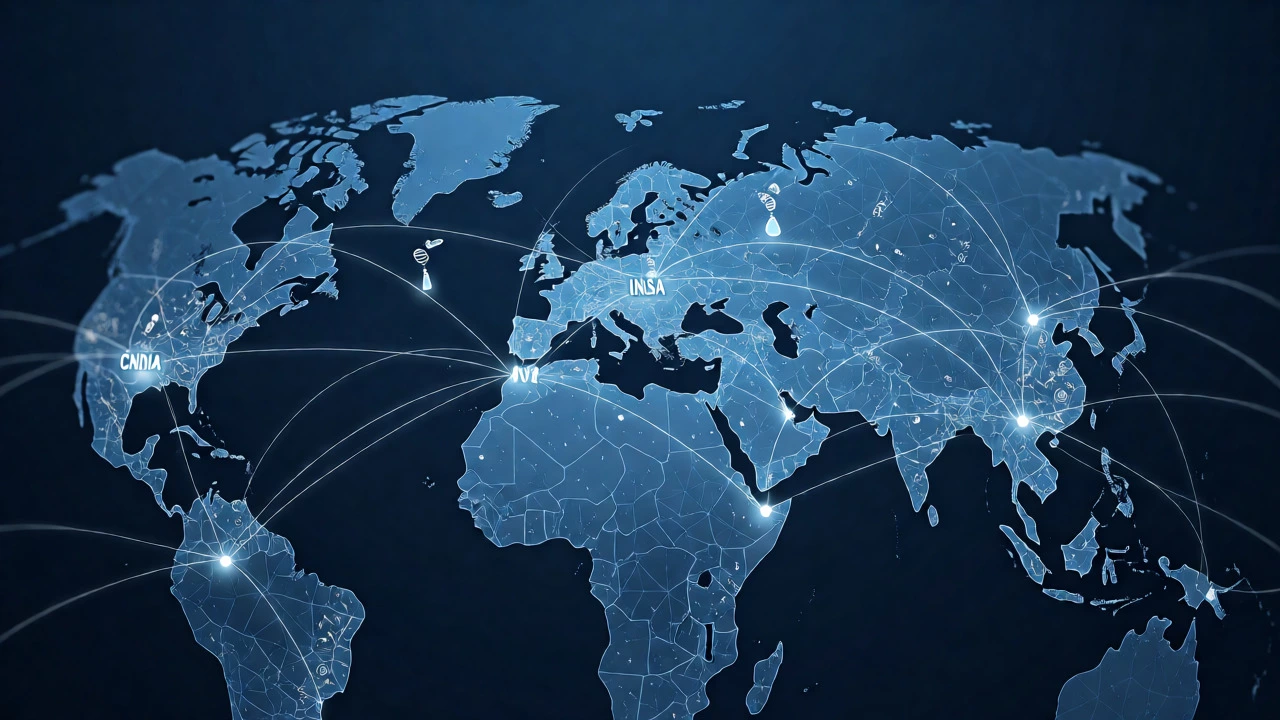
But here’s the catch: India depends heavily on China for APIs. Roughly 70% of the raw materials needed to make those tablets come from Chinese chemical plants. This dependency is a strategic vulnerability. If China restricts exports, India’s production lines stall. That’s why the Indian government is now pushing Production Linked Incentive (PLI) schemes to build domestic API capacity. It’s a race against time to secure their status as the world’s pharmacy.
The Innovation Giants: USA, Switzerland, and Germany
If you flip the script and value novelty above all else, the US takes the crown. The United States hosts the largest share of global pharmaceutical R&D spending. According to the International Federation of Pharmaceutical Manufacturers & Associations, US companies account for nearly half of all new drug approvals worldwide. Why? Deep capital markets allow startups to fail repeatedly until they succeed. Venture capital flows freely into biotech firms in Cambridge, Massachusetts, or San Francisco.
Switzerland punches far above its weight. Despite its small size, it hosts giants like Novartis and Roche. Swiss pharma is synonymous with precision and quality. Their regulatory framework, overseen by Swissmedic, is rigorous. When a Swiss company releases a drug, doctors trust it implicitly. This reputation allows them to command higher margins. They focus on niche, high-value treatments-oncology, neurology, rare diseases-where price sensitivity is lower.
Germany contributes through strong industrial chemistry traditions. Bayer and Boehringer Ingelheim are household names. German manufacturing emphasizes process reliability and environmental standards. They excel in combining chemical synthesis with advanced engineering. While they may not have the sheer volume of India or the startup agility of the US, their consistency makes them preferred partners for long-term contracts.
Comparing the Heavyweights: A Side-by-Side Look
To make sense of these differences, let’s look at how these regions stack up against key performance indicators. This table highlights the distinct roles each plays in the global ecosystem.
| Country/Region | Primary Strength | Key Export Type | R&D Intensity | Cost Efficiency |
|---|---|---|---|---|
| United States | Biotech Innovation | Patented Biologics, Small Molecules | Very High | Low |
| India | Generic Manufacturing | Generic Drugs, Vaccines | Moderate | Very High |
| Switzerland | Premium Quality/R&D | Oncology, Rare Disease Drugs | High | Moderate |
| China | API Supply Chain | Active Pharmaceutical Ingredients | Growing | High |
| Germany | Process Engineering | Chemical Synthesis Products | High | Moderate |
Notice the trade-offs. You get innovation from the US and Switzerland, but you pay for it. You get accessibility from India, but you rely on established science. China sits in the middle, powering both but increasingly moving up the value chain into its own branded drugs.
The Rise of China: From Factory Floor to Lab Bench
We can’t talk about pharma without mentioning China. For decades, China was viewed solely as the supplier of raw materials. If you bought an antibiotic anywhere in the world, the powder likely came from a factory in Zhejiang province. This dominance gave China significant leverage. When environmental regulations tightened in China in recent years, global drug prices spiked because supply dried up.
But China isn’t content being the warehouse anymore. Companies like WuXi AppTec and BeiGene are expanding into clinical trials and drug development. They’re leveraging a massive patient population for faster trial recruitment-a huge advantage over Western competitors who struggle to find participants. The Chinese government is investing heavily in biotech parks, aiming to shift from "Made in China" to "Invented in China." While they still lag behind the US in original discovery, their speed in bringing biosimilars to market is unmatched.
This shift creates tension. Western regulators are scrutinizing Chinese data more closely. Questions about data integrity and transparency remain hurdles. Yet, for many Asian and African markets, Chinese drugs offer a viable alternative to expensive Western brands or sometimes inconsistent Indian generics.
Regulatory Trust: Who Can You Believe?
Having the best factories means nothing if you can’t trust the output. Regulatory approval is the gatekeeper. The US FDA (Food and Drug Administration) is widely considered the gold standard. Getting FDA approval opens doors globally because other agencies often defer to their judgment. However, the process is slow and expensive.
India’s CDSCO (Central Drugs Standard Control Organisation) has improved significantly but still faces criticism for inconsistencies. Many Indian companies maintain separate lines for domestic and export markets to meet stricter US or EU standards. This dual-track system works but adds complexity.
Europe’s EMA (European Medicines Agency) focuses heavily on safety profiles and post-market surveillance. They tend to be more cautious than the FDA, sometimes delaying approvals to gather more real-world evidence. This caution protects patients but can slow access to new therapies.
When choosing a partner or buying drugs, check the certification. A GMP (Good Manufacturing Practice) certificate from the US FDA carries more weight than a local license. If you’re sourcing medications, always verify which agency audited the facility. Not all stamps are created equal.
Future Trends: Where Is the Industry Heading?
The definition of "best" will continue to evolve. We’re seeing a move toward personalized medicine, where drugs are tailored to individual genetic profiles. This favors countries with strong genomic databases-the US, UK, and increasingly China.
Supply chain resilience is another driver. After the disruptions of the last few years, countries are reshoring production. The US is incentivizing domestic chip and pharma manufacturing. Europe is doing the same. This could reduce India’s dominance in some segments but won’t erase its cost advantage entirely.
Meanwhile, AI is transforming drug discovery. Algorithms can predict molecular interactions faster than human chemists. Countries with strong tech sectors-US, China, Israel-are leading this integration. If AI accelerates discovery, the gap between innovators and manufacturers might narrow, as new drugs become available sooner.
Frequently Asked Questions
Why is India called the pharmacy of the world?
India earns this title because it produces approximately 20% of the world's total volume of generic medicines and supplies over 60% of global vaccine needs. Its ability to manufacture high-quality drugs at extremely low costs makes it essential for healthcare systems in developing nations and even for cost-conscious consumers in wealthy countries.
Does the US manufacture most of its own drugs?
No. While the US leads in research and development, a significant portion of its finished dosage forms and active pharmaceutical ingredients (APIs) are imported. India and China are major suppliers to the US market. This reliance has prompted recent policy efforts to bring more manufacturing back to American soil.
Are Indian generic drugs safe?
Yes, generally. Major Indian pharmaceutical companies adhere to strict international standards, including US FDA Good Manufacturing Practices (GMP). While there have been occasional recalls due to contamination issues, the vast majority of exported Indian generics undergo rigorous testing. Always check for FDA approval status when purchasing.
Which country spends the most on pharmaceutical R&D?
The United States consistently ranks first in absolute spending on pharmaceutical research and development. Swiss and European companies also invest heavily per capita. This funding drives the creation of novel biological agents and complex therapies that define modern medicine.
How does China influence global drug prices?
China dominates the supply of Active Pharmaceutical Ingredients (APIs), the raw materials used to make drugs. Any disruption in Chinese production-due to environmental policies or geopolitical tensions-can cause global shortages and price hikes for basic medications like antibiotics and vitamins.