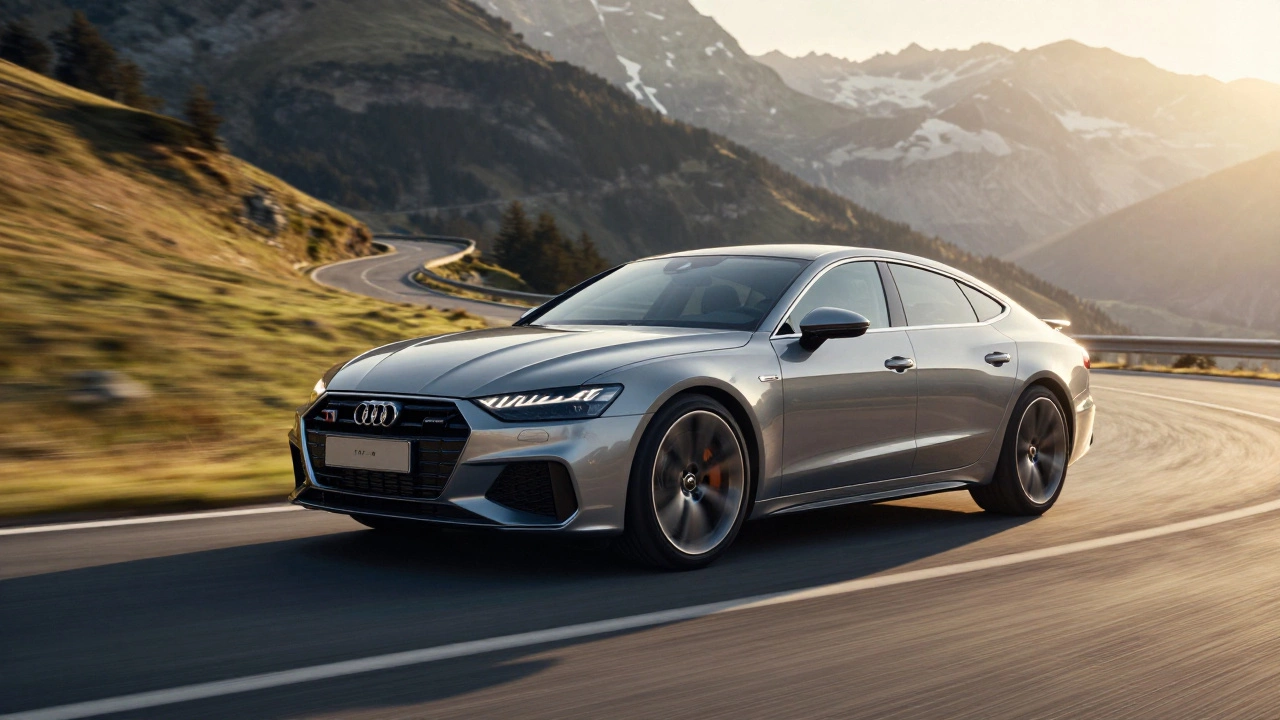
Walk into any dealership or browse an online forum, and you will hear the same debate. Is it Germany for precision? Japan for reliability? Or is it China for speed? The question of which country makes the best cars does not have a single answer because "best" means different things to different people. For some, it is about handling on a winding mountain road. For others, it is about whether the engine starts reliably after ten years of daily use. In 2026, the landscape has shifted again. New players are rising, traditional giants are adapting, and the definition of quality now includes software as much as steel.
Defining Quality in Modern Automobiles
Before we look at specific countries, we need to agree on what makes a car "good." In the past, this meant durability and safety. Today, it is a broader mix. We look at build quality, which is how well the parts fit together and how quiet the cabin is. We look at reliability, which is how often the car breaks down over its life. We also look at innovation, particularly in electric vehicles (EVs) and driver-assistance systems. Finally, there is value, which is the balance between price and performance. A car can be technically perfect but fail if it costs too much for what it offers. Each leading manufacturing nation excels in one or two of these areas while struggling with others.
Germany: The Engineering Powerhouse
Germany is a leader in high-performance automotive engineering known for brands like BMW, Mercedes-Benz, and Audi. If you want a car that feels planted on the highway and has sophisticated technology, Germany is still the benchmark. German manufacturers invest heavily in research and development. They push boundaries in aerodynamics, engine efficiency, and luxury features. The driving dynamics of a BMW M3 or a Mercedes-AMG GT are tuned to provide feedback and control that many other brands struggle to replicate.
However, this focus on performance and luxury comes with trade-offs. German cars are often more expensive to maintain. Their complex electronics can lead to higher repair costs when warranty periods expire. While they are safe and fast, they do not always win in long-term reliability surveys compared to their Asian counterparts. You pay for the prestige and the thrill, but you also accept a higher cost of ownership.
Japan: The King of Reliability
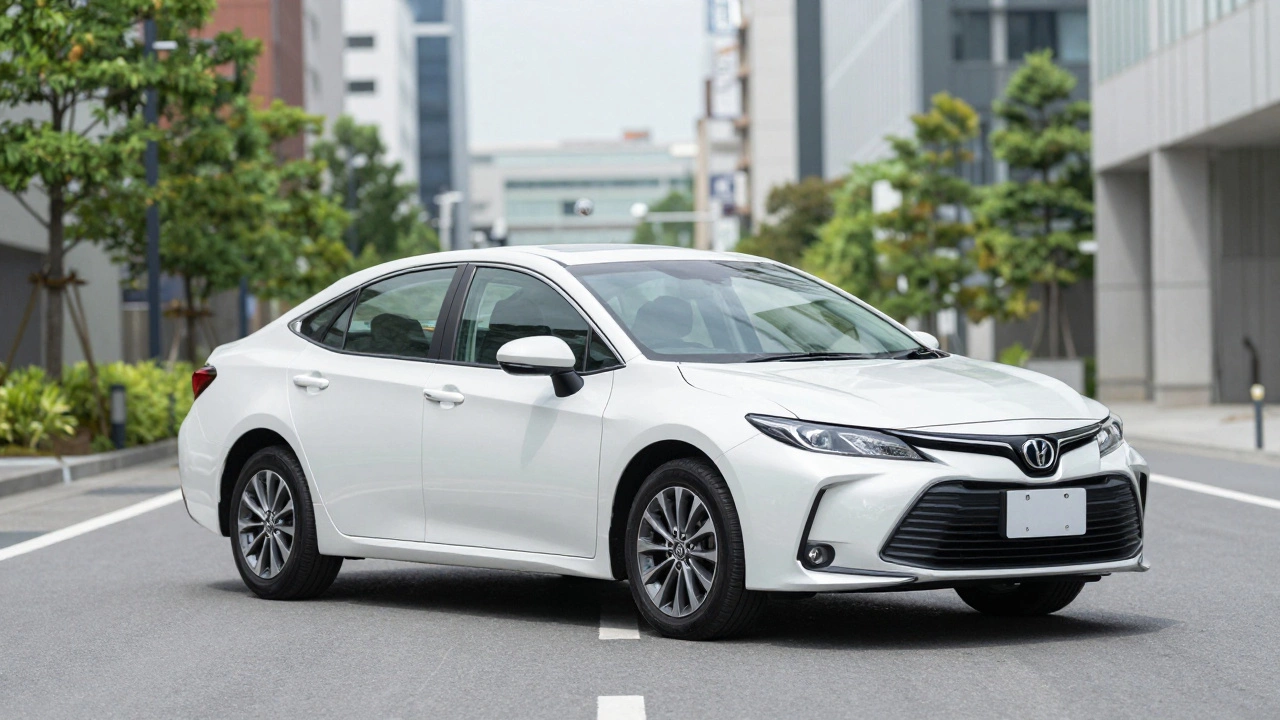
Japan is the global standard for automotive reliability and efficiency, home to Toyota, Honda, and Nissan. For decades, Japanese manufacturers have dominated global sales by focusing on practicality and longevity. The philosophy here is different from Germany. Instead of pushing the envelope with extreme power, Japanese engineers focus on making sure every part works perfectly for as long as possible. This approach, rooted in lean manufacturing principles, reduces waste and defects. As a result, a Toyota Corolla or a Honda Civic often runs for hundreds of thousands of miles with minimal issues.
This reliability translates into high resale values. When you buy a used Japanese car, you know exactly what you are getting. It might not have the latest flashy infotainment system or the stiffest suspension, but it will start every morning. In 2026, Japanese brands are also leading in hybrid technology. While Europe and China race toward pure electric vehicles, Japan continues to refine hybrids, offering a pragmatic transition that appeals to buyers who are not yet ready to give up internal combustion engines entirely.
South Korea: The Value Innovators
South Korea is a rapidly growing automotive hub known for offering premium features at competitive prices through Hyundai and Kia. Twenty years ago, Korean cars were seen as cheap alternatives. Today, they are serious contenders in almost every segment. Brands like Hyundai and Kia have invested billions in design studios and engineering centers globally. The result is cars that look modern, feel solid, and come packed with technology that rivals European luxury brands. You get wireless charging, advanced safety suites, and comfortable interiors for a fraction of the price.
Korean manufacturers are also aggressive in the EV market. The Hyundai Ioniq 5 and Kia EV6 set new standards for electric vehicle architecture. They offer fast charging, spacious cabins, and distinctive designs. South Korea’s strength lies in its ability to adapt quickly to consumer trends. If buyers want more screen space, Korean automakers deliver it faster than most. If they want better range, Korean companies work closely with battery suppliers to improve density. This agility makes them a smart choice for budget-conscious buyers who refuse to compromise on style or tech.
China: The Electric Revolutionaries
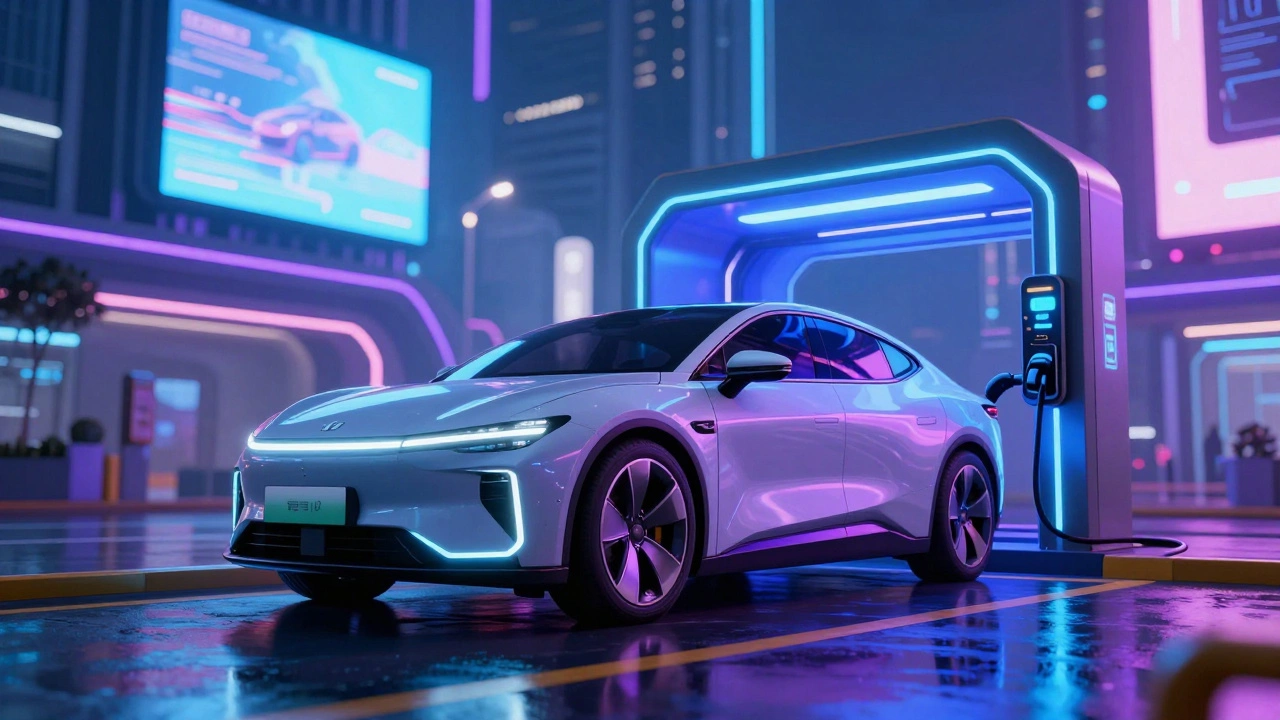
China is the world's largest producer of electric vehicles and batteries, driven by companies like BYD, NIO, and Geely. In 2026, China is no longer just copying; it is leading. The country dominates the supply chain for lithium-ion batteries, which are the heart of modern EVs. Companies like BYD produce their own batteries, giving them a cost advantage that Western competitors find hard to match. Chinese EVs are often equipped with cutting-edge infotainment systems, autonomous driving features, and rapid charging capabilities that exceed those of established brands.
The sheer scale of production allows Chinese manufacturers to iterate quickly. They release new models every year, incorporating user feedback into the next version. While brand recognition outside Asia is still growing, the quality of Chinese cars has improved dramatically. Interior materials are high-grade, and build quality is consistent. For early adopters of electric mobility, Chinese brands offer compelling options that combine affordability with futuristic technology. However, concerns about data privacy and long-term support networks in Western markets remain hurdles for wider acceptance.
India: The Emerging Manufacturing Giant
India is a major global hub for small car manufacturing and component production, led by Maruti Suzuki, Tata Motors, and Mahindra. When discussing global auto manufacturing, India deserves a prominent spot. It is one of the few countries that manufactures vehicles tailored for emerging markets, where fuel efficiency and low maintenance costs are paramount. Maruti Suzuki dominates the passenger vehicle segment with models like the Alto and Swift, which are engineered to withstand rough roads and varying fuel qualities. These cars are simple, durable, and incredibly affordable.
Beyond small cars, India is becoming a powerhouse in commercial vehicles and SUVs. Tata Motors has gained respect for building robust trucks and increasingly popular passenger EVs like the Nexon EV. Mahindra focuses on rugged utility vehicles that appeal to rural and semi-urban demographics. The Indian government’s push for electric mobility through subsidies and infrastructure development is accelerating this growth. India’s advantage lies in its ability to produce high-quality vehicles at very low price points. As domestic demand grows, Indian manufacturers are also expanding exports to Africa, Latin America, and Southeast Asia, proving that their products hold up well in diverse conditions.
Comparing Global Automotive Leaders
| Country | Key Strength | Top Brands | Best For |
|---|---|---|---|
| Germany | Performance & Luxury | BMW, Mercedes, Audi | Enthusiasts & Status Seekers |
| Japan | Reliability & Efficiency | Toyota, Honda, Mazda | Daily Commuters & Long-Term Owners |
| South Korea | Value & Technology | Hyundai, Kia, Genesis | Tech-Savvy Budget Buyers |
| China | EV Innovation & Scale | BYD, NIO, XPeng | Early EV Adopters |
| India | Affordability & Durability | Maruti, Tata, Mahindra | Emerging Markets & First-Time Buyers |
How to Choose Based on Your Needs
Your choice should depend on your priorities. If you plan to keep the car for ten years and hate visiting the mechanic, look at Japanese brands. If you enjoy driving and want a car that responds sharply to your inputs, consider German engineering. If you want the latest gadgets without paying a luxury premium, Korean cars are your best bet. For those interested in electric vehicles with cutting-edge software, Chinese brands offer impressive options, especially if you live in regions with strong charging infrastructure. Finally, if you are in a developing economy or prioritize low running costs above all else, Indian manufacturers provide unmatched value.
There is no single winner. The "best" country depends on what you value most in your daily drive. The global auto industry is more competitive than ever, and this competition benefits consumers by driving down prices and raising quality standards across the board.
Which country produces the highest quality cars?
Quality is subjective, but Japan consistently ranks highest in long-term reliability surveys, while Germany leads in build precision and performance engineering. South Korea has closed the gap significantly in recent years, offering near-luxury quality at mid-range prices.
Are Indian-made cars reliable?
Yes, Indian cars are designed to be highly durable and resistant to harsh conditions. Brands like Maruti Suzuki and Tata Motors have built reputations for vehicles that require minimal maintenance and perform well on varied road surfaces, making them ideal for emerging markets.
Why are Chinese electric vehicles gaining popularity?
Chinese EVs offer advanced technology, such as large screens and autonomous driving features, at lower prices than Western competitors. China controls a significant portion of the global battery supply chain, allowing manufacturers like BYD to produce efficient and affordable electric cars at scale.
Is it better to buy a German or Japanese car?
It depends on your needs. Choose German cars if you prioritize driving dynamics, luxury, and brand prestige. Choose Japanese cars if you value fuel efficiency, low maintenance costs, and high resale value. Both are excellent choices but serve different owner profiles.
What role does India play in global car manufacturing?
India is a key player in the production of small, fuel-efficient cars and commercial vehicles. It is also a major exporter of auto components. With a growing domestic market and a push toward electric mobility, India is becoming an important hub for affordable vehicle manufacturing and export to other developing nations.