Indian Textile Sourcing Advisor
Not sure where to source your next batch? Answer three quick questions to find the ideal city for your specific product needs.
City Name
Tagline
Why This City?
Key Strength
You might expect the answer to be a single city, but asking which is the textile capital of India is like asking which city is the food capital of the world. It depends entirely on what you want to eat. In India, the title isn't held by one place because the industry is too diverse and massive for that. Instead, two cities fight for the crown depending on whether you care about cotton or synthetics.
If you are looking for where the raw cotton gets spun into yarn, Bhilwara in Rajasthan takes the lead. If you want finished synthetic fabrics ready for export or domestic retail, Surat in Gujarat is the undisputed king. Understanding this split saves you from making bad business decisions based on outdated geography lessons.
The Case for Surat: The Synthetic Silk Hub
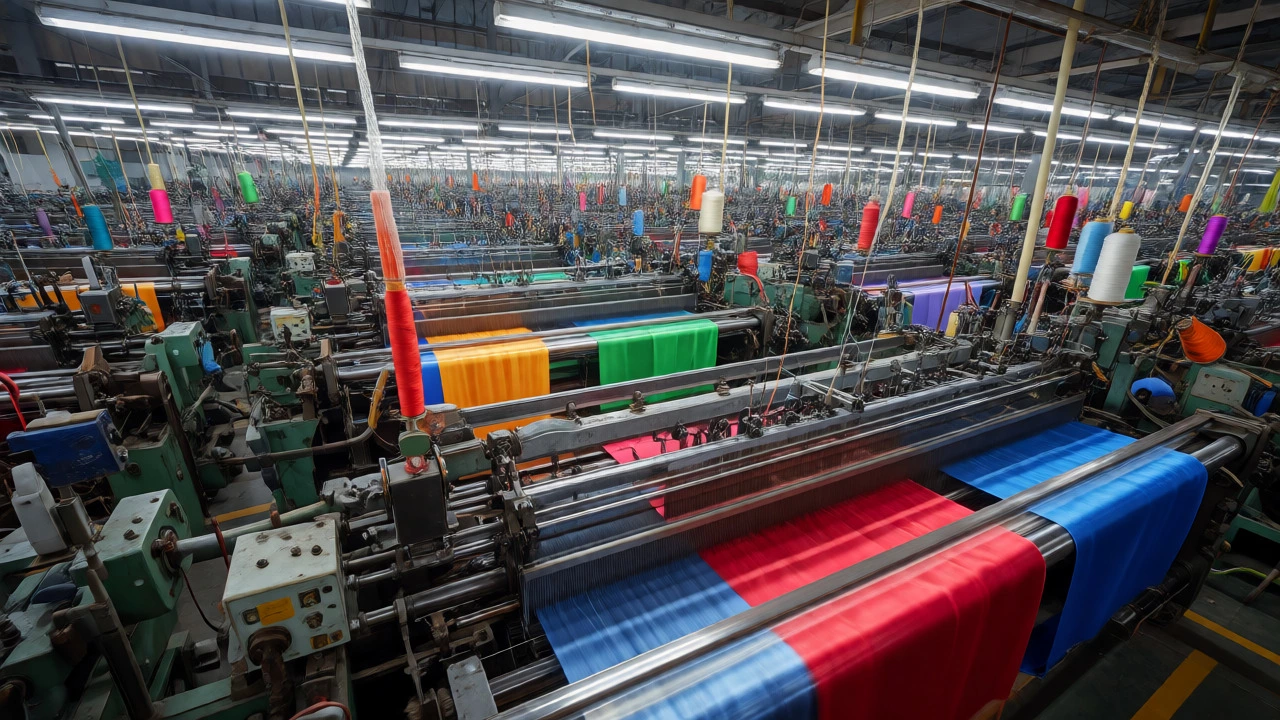
Surat doesn't just make clothes; it manufactures the fabric that covers half the fashion-conscious population of India. Located in Gujarat, this city processes more than 10% of the country's total man-made fiber (MMF) production. When people talk about "sarees" in the mass market, they are almost always talking about Surat.
Why does Surat dominate? It’s all about infrastructure and speed. The city hosts over 400,000 power looms. That’s not a typo. Four hundred thousand machines running day and night. This density creates a supply chain so tight that a designer can sketch a pattern in Mumbai, have it woven in Surat, dyed in nearby industrial zones, and packed for shipping within 72 hours.
Surat is defined as the largest hub for synthetic fabric production in India, specializing in polyester, nylon, and viscose weaves. Unlike traditional handloom clusters, Surat operates on an industrial scale. It feeds brands like Zudio, Max Fashion, and even international retailers who need volume at low costs. If your business model relies on fast fashion or affordable ethnic wear, Surat is your operational headquarters.
The Case for Bhilwara: The Cotton King
Move north to Rajasthan, and you find Bhilwara. While Surat handles the shiny, slippery synthetics, Bhilwara handles the breathable, natural cotton. Often called the "Manchester of Eastern India" (though that title sometimes goes to Ahmedabad), Bhilwara is actually the largest producer of grey fabric in the world.
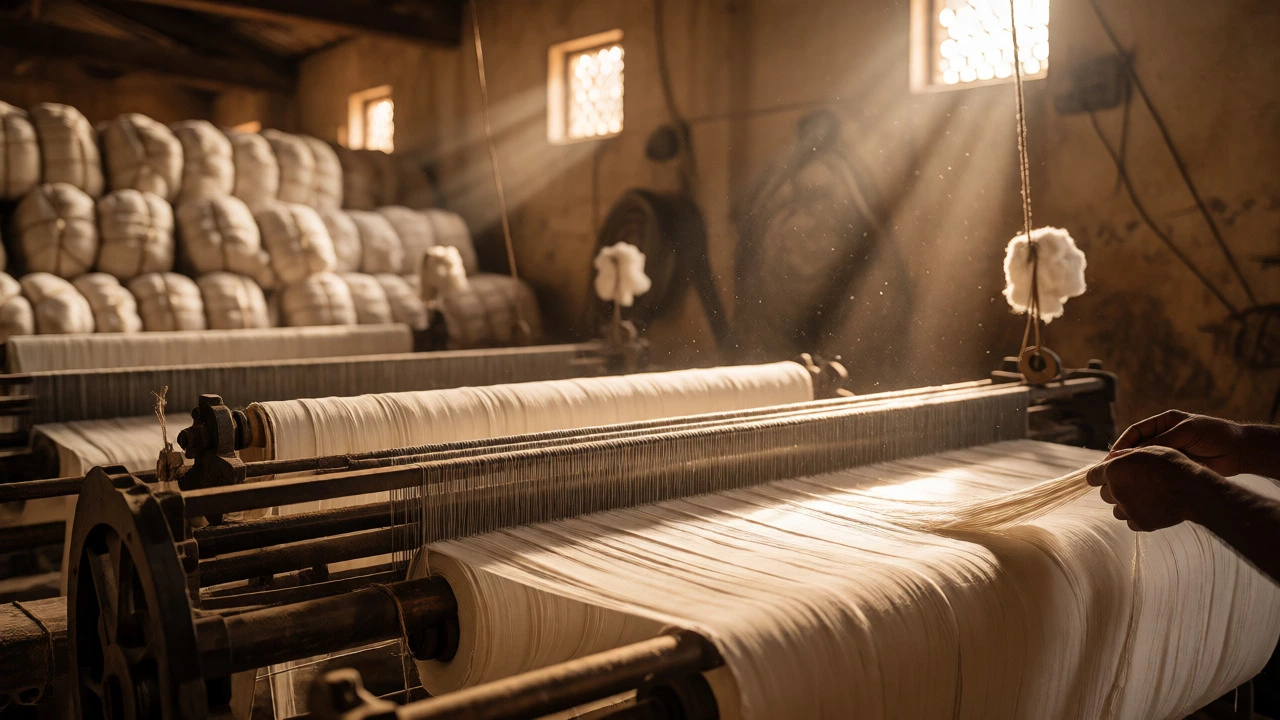
Grey fabric? Yes. This is unbleached, undyed cloth straight off the loom. Bhilwara produces millions of meters of this daily. It doesn’t focus on the final flashy design; it focuses on the base material. Spinning mills here convert raw cotton bales into high-count yarn with incredible efficiency. The energy costs in Rajasthan are competitive, and the labor force has generations of expertise in handling delicate cotton fibers without breaking them.
For manufacturers who produce bed linens, shirts, or premium kurtas, sourcing directly from Bhilwara cuts out middlemen. You buy the greige goods, then send them to dyeing units elsewhere (often in Tirupur or Ludhiana). This separation of spinning/weaving from finishing is why Bhilwara remains resilient even when global cotton prices fluctuate.
Ahmedabad: The Historic Rival
You can’t discuss Indian textiles without mentioning Ahmedabad. Historically, it was the original "Manchester of India." Its proximity to the Narmada river and abundant water supply made it ideal for early cotton mills during the British era. Today, Ahmedabad plays a different role. It is less about bulk weaving and more about value-added processing.
Ahmedabad excels in embroidery, block printing, and specialized home furnishings. While Surat churns out kilometers of plain polyester, Ahmedabad adds the cultural flair. If you are selling luxury home decor or wedding lehengas with heavy zari work, you look toward Ahmedabad or its neighboring town, Bhuj. The skill gap here is significant; these artisans command higher wages because their output cannot be easily replicated by automated looms.
Tirupur: The Knitwear Exception
Wait, didn’t we say there were only two capitals? Technically, no. We ignored Tirupur, and that’s a mistake if you sell T-shirts. Tirupur in Tamil Nadu is the knitwear capital. It doesn’t weave fabric; it knits it. This is a crucial technical distinction.
Weaving involves interlacing warp and weft threads (like Surat and Bhilwara). Knitting involves looping yarn together (like Tirupur). Tirupur accounts for nearly 60% of India’s knitwear exports. If you are launching a activewear brand or a basic t-shirt line, Surat’s polyester and Bhilwara’s cotton don’t help you directly. You need Tirupur’s circular knitting machines and its unique wet-processing capabilities, including bio-washing and enzyme treatments that make cotton feel soft.
Comparing the Hubs: Where Should You Source?
Choosing a location isn't just about geography; it's about your product type. Here is how the major hubs stack up against each other.
| City | Primary Material | Key Strength | Best For |
|---|---|---|---|
| Surat | Polyester, Nylon, Viscose | Volume & Speed | Sarees, Dress Materials, Fast Fashion |
| Bhilwara | Cotton | Yarn Quality & Grey Fabric | Shirts, Bed Linen, Premium Cotton Wear |
| Tirupur | Cotton Blends, Synthetics | Knitting & Wet Processing | T-shirts, Activewear, Undergarments |
| Ahmedabad | Cotton, Silk Blends | Value Addition & Embroidery | Home Furnishings, Luxury Ethnic Wear |
Why the "Capital" Title Matters for Business
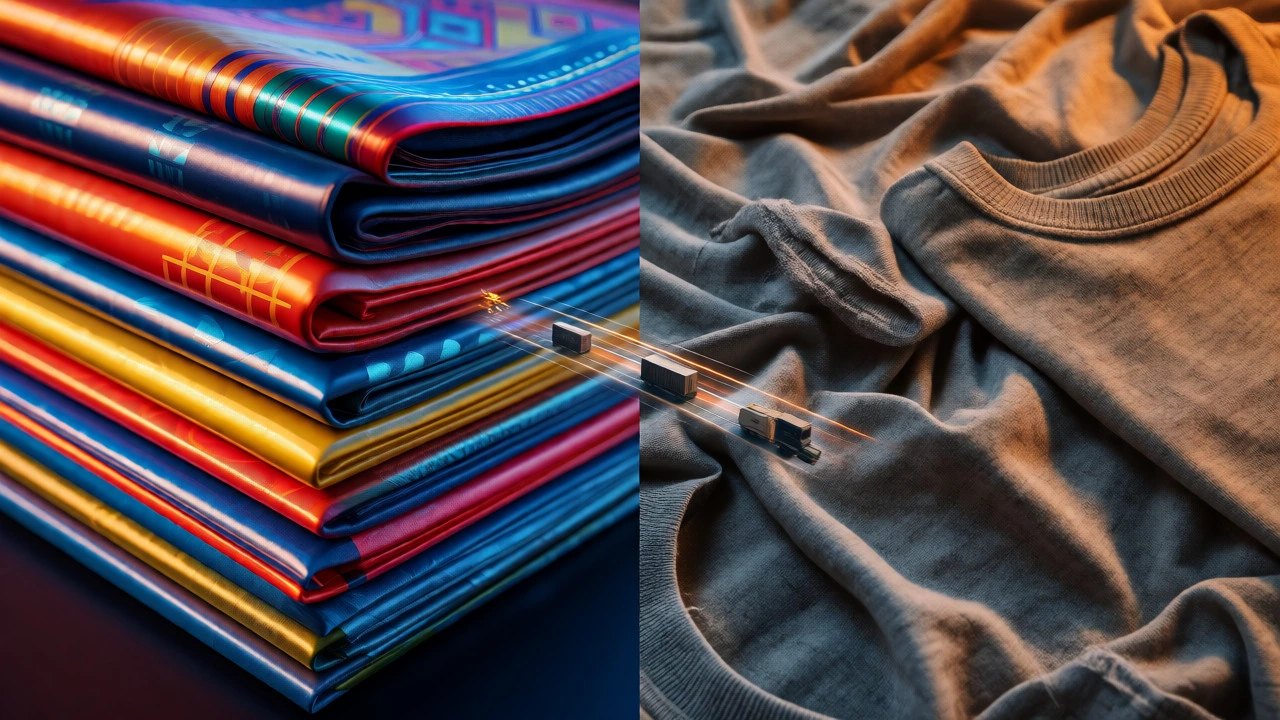
Knowing which city holds the title affects your logistics costs. Shipping synthetic fabric from Surat to Delhi is cheap because trucks run constantly on established routes. But if you try to source custom-dyed cotton from Bhilwara for a small batch order, you might face minimum order quantities (MOQs) that hurt your cash flow.
Furthermore, regulatory environments differ. Gujarat offers better subsidies for synthetic unit setups. Rajasthan provides incentives for solar-powered spinning mills. These aren't just government brochures; they translate to lower electricity bills, which is 30-40% of a textile factory's operating cost. If you ignore the local policy landscape, you lose margin before you even sell a meter of cloth.
Emerging Contenders: Ludhiana and Panipat
While Surat and Bhilwara hold the traditional titles, don't sleep on Panipat. Known as the "Cast Off City," Panipat recycles wool and cotton. It turns old clothes into new blankets and rugs. With sustainability becoming a non-negotiable demand in Europe and North America, Panipat is gaining ground as a green textile capital. If your brand claims eco-friendliness, sourcing recycled yarn from Panipat gives you verifiable credentials.
Ludhiana, meanwhile, dominates winter wear. It’s the sweater capital. If your product line includes woolens, you bypass Surat and head straight to Punjab. The cold climate actually helps in quality control for wool processing, reducing humidity-related defects.
How to Verify a Supplier’s Location Claims
Many traders claim to be "direct from Surat" while acting as middlemen in Delhi. How do you verify? Check the GST registration address. A genuine manufacturer in Surat will have a factory address in areas like Sachin GIDC or Pandesara. If the address is a residential flat in New Delhi, you’re paying a markup.
Also, ask for mill test certificates. Bhilwara suppliers should provide GSM (grams per square meter) and count tests for their cotton. Surat suppliers should provide shrinkage and color-fastness reports for synthetics. Real factories generate these documents routinely. Traders often hesitate or provide generic lab reports from third parties.
The Future of Indian Textile Capitals
The definition of "capital" is shifting. Automation is moving weaving back closer to consumption centers. However, India’s advantage remains skilled labor combined with raw material access. Surat is investing heavily in digital printing to compete with Chinese speed. Bhilwara is upgrading to air-jet looms to reduce water usage.
For now, if someone asks you which is the textile capital of India, you give them the nuanced truth: Surat for synthetics, Bhilwara for cotton. Anything else is marketing fluff.
Is Surat really the largest textile hub in Asia?
Yes, specifically for man-made fibers. Surat processes more synthetic fabric than any other city in Asia, surpassing many Chinese hubs in sheer volume of looms and daily output of saree materials.
Why is Bhilwara known for grey fabric?
Bhilwara specializes in the initial stages of textile production-spinning and weaving. They produce "grey" (unprocessed) fabric that is then sent to other regions for dyeing and finishing, allowing for specialization and cost efficiency.
What is the difference between weaving and knitting hubs?
Weaving hubs like Surat and Bhilwara create structured fabrics using warp and weft threads, suitable for dresses and shirts. Knitting hubs like Tirupur create looped structures, suitable for stretchy garments like t-shirts and sportswear.
Does Ahmedabad still play a major role in textiles?
Yes, but its role has shifted from bulk production to value addition. Ahmedabad is key for embroidery, printing, and home furnishing exports, leveraging historical craftsmanship rather than competing on raw volume alone.
Which city is best for sustainable textile sourcing?
Panipat is emerging as the leader in sustainable textiles due to its massive recycling infrastructure for wool and cotton, turning waste into new products like blankets and rugs.