Steel Industry Dominance Explorer
Explore the multi-polar landscape of the global steel industry. Filter by region or strategy to understand who dominates volume, quality, resources, or sustainability.
Walk into any modern construction site or look at the chassis of your car, and you’re looking at the backbone of industrial civilization: steel. It is an alloy of iron and carbon that provides the tensile strength for everything from skyscrapers to surgical tools. But who actually makes this stuff? If you think it’s just a few Western giants holding court, you’re missing half the picture. The global steel landscape has shifted dramatically over the last two decades. Today, the dominance isn’t just about volume; it’s about strategic control, green technology adoption, and supply chain resilience.
You might assume the US or Europe leads this charge. They don’t. Not even close. In 2026, the center of gravity for global steel production sits firmly in Asia, specifically China. But within China, there are specific players that dwarf everyone else. Understanding who dominates requires looking beyond simple tonnage. You need to see who controls the raw materials, who owns the high-end specialty markets, and who is leading the transition to low-carbon production. This article breaks down the titans of the industry, the regional powerhouses, and the emerging challengers reshaping the market.
The Chinese Colossus: Baowu and Its Peers
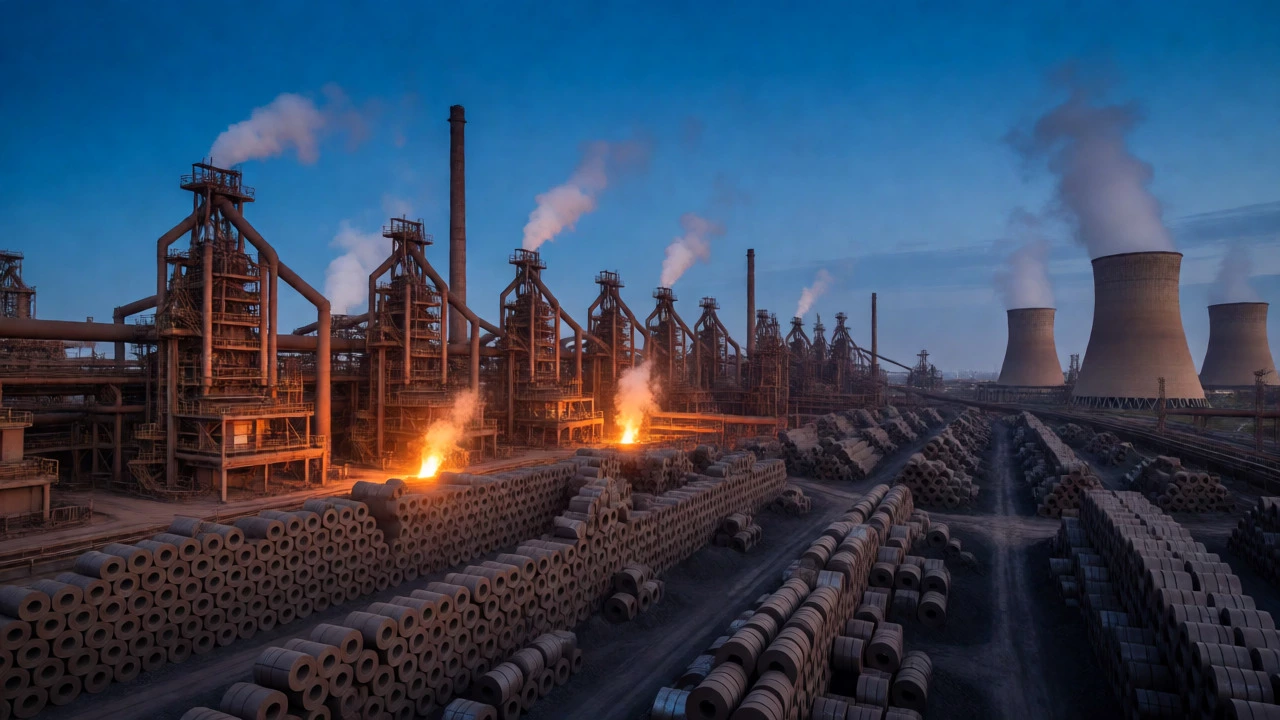
China Baowu Steel Group is not just the largest steel producer in the world; it is larger than the next several competitors combined. Formed by the merger of Baosteel and Wuhan Iron & Steel, this state-owned enterprise operates with a scale that is hard to comprehend. In recent years, Baowu has consistently produced over 130 million tonnes of crude steel annually. To put that in perspective, that single company produces more steel than entire countries like Germany or Japan produce individually.
Why does Baowu dominate? It’s not just government backing. The company has aggressively consolidated smaller, inefficient mills across China. By absorbing these assets, Baowu achieves economies of scale that allow them to lower costs per tonne significantly. They also invest heavily in R&D, focusing on high-grade electrical steels used in electric vehicle motors and transformers. This moves them up the value chain, away from commodity rebar and toward specialized products where margins are higher.
But Baowu isn’t alone. Other Chinese giants like Ansteel Group and Shagang Group hold massive market shares. Shagang, notably, is one of the largest private steel enterprises in the world, proving that the dominance isn’t solely a state-sector phenomenon. These companies benefit from integrated supply chains, owning their own mining operations and logistics networks, which insulates them from volatile raw material prices.
The Western Giants: ArcelorMittal and Nippon Steel
While China wins on volume, the West and Japan compete on quality, technology, and global footprint. ArcelorMittal, headquartered in Luxembourg, remains the largest steelmaker outside of China. With operations spanning 60 countries, ArcelorMittal is the go-to supplier for automotive and packaging steel in Europe and North America. Their strategy differs from the Chinese model. Instead of chasing sheer volume, they focus on "XCarb" innovation, aiming for net-zero emissions by 2050. They are pioneering hydrogen-based direct reduction iron (DRI) technologies, positioning themselves as the leader in green steel.
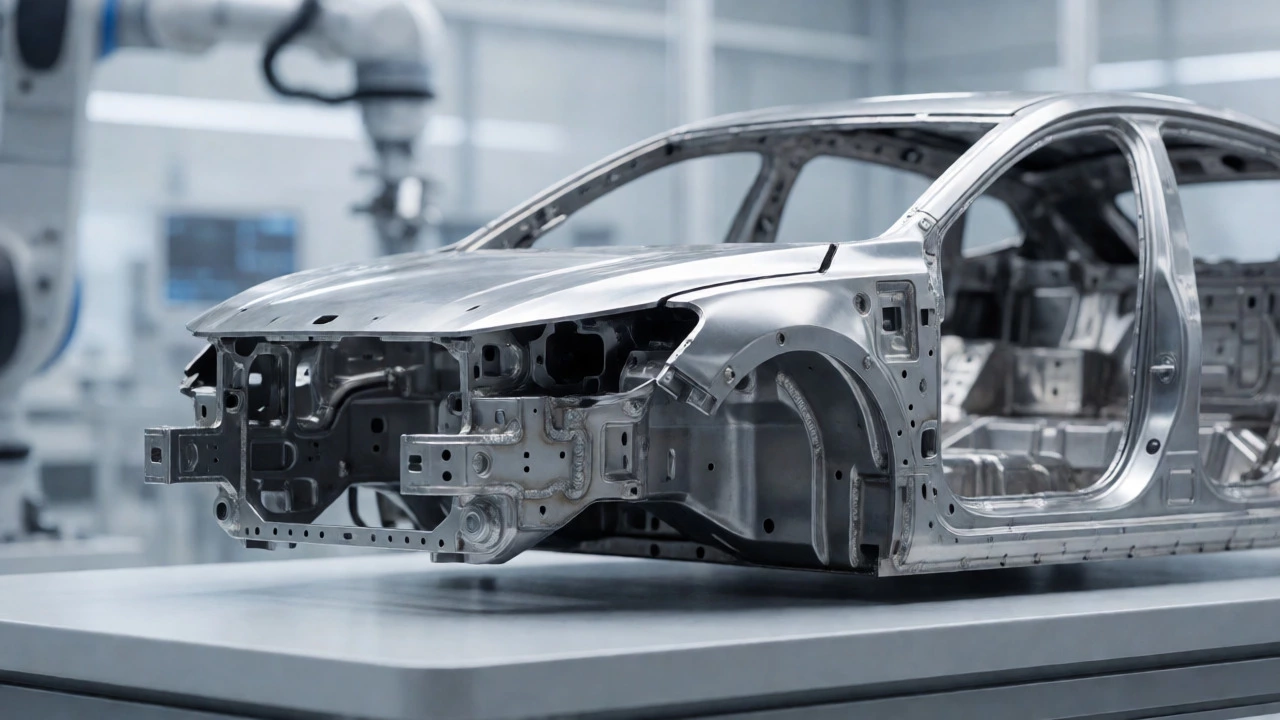
Then there is Nippon Steel from Japan. Often overlooked in volume discussions, Nippon Steel is arguably the most technologically advanced producer in the world. They dominate the market for ultra-high-strength steel used in crash-resistant car bodies and precision machinery. Their acquisition of US Steel (pending regulatory approvals in various jurisdictions) signaled a major shift: Japanese capital moving into North American infrastructure. Nippon Steel’s approach is meticulous, focusing on consistency and zero-defect manufacturing, which commands premium pricing globally.
Other key Western players include POSCO from South Korea and ThyssenKrupp from Germany. POSCO is particularly interesting because it operates one of the most efficient integrated steelworks in the world in Pohang. They have mastered the art of balancing export markets with domestic demand, leveraging free trade agreements to maintain competitiveness against cheaper Asian imports.
| Company | HQ Location | Primary Strength | Key Technology Focus | Global Reach |
|---|---|---|---|---|
| China Baowu Steel | China | Volume & Scale | High-grade electrical steel | Domestic + Export |
| ArcelorMittal | Luxembourg | Global Footprint | Green Hydrogen DRI | Europe, Americas, Asia |
| Nippon Steel | Japan | Precision & Quality | Ultra-high-strength alloys | Global Automotive |
| POSCO Holdings | South Korea | Efficiency & Battery Materials | Lithium-ion battery foils | Asia-Pacific + US |
| Shougang Group | China | Automotive Integration | Lightweight auto body steel | China + SE Asia |
The Raw Material Controllers: Vale and Rio Tinto
You can’t talk about steel dominance without talking about who controls the inputs. Steel production requires iron ore, coking coal, and increasingly, scrap metal. Two companies effectively gatekeep the global supply of high-grade iron ore: Vale from Brazil and Rio Tinto from Australia. While they aren’t steelmakers in the traditional sense, their influence on the industry is profound.
Vale produces some of the highest purity iron ore in the world, which allows steelmakers to reduce energy consumption and emissions during the blast furnace process. As the industry shifts toward greener methods, Vale’s premium ore becomes even more valuable. Rio Tinto, similarly, dominates the Pilbara region in Australia. Together, these miners dictate price floors and ceilings for the entire steel sector. When they raise prices, steel margins worldwide shrink. When they oversupply, steelmakers breathe easier. Understanding steel dominance means recognizing that the miners hold as much leverage as the mill owners.
Regional Powerhouses and Emerging Markets
Beyond the top five, several regions are carving out significant niches. India is rapidly becoming the third-largest steel producer globally, driven by massive infrastructure spending and urbanization. Companies like Tata Steel and JSW Steel are expanding capacity aggressively. Tata Steel, in particular, has a unique global presence, operating plants in the UK and Netherlands, giving it access to European markets despite its Indian roots.
In Southeast Asia, Vietnam has emerged as a surprise player. Hoa Phat Group built one of the largest integrated steel complexes in the region, reducing Vietnam’s reliance on imported steel. This trend of "nearshoring"-producing steel closer to end-users-is gaining traction globally. Manufacturers want shorter supply chains to avoid geopolitical disruptions and shipping delays. This benefits regional players who can serve local markets faster than transoceanic giants.
Turkey also plays a critical role, primarily as a major exporter of long steel (rebar and wire rod) to Europe and the Middle East. Turkish mills rely heavily on scrap metal recycling rather than virgin iron ore, making them sensitive to scrap prices but agile in responding to construction demand spikes.
The Green Transition: Who Leads the Charge?
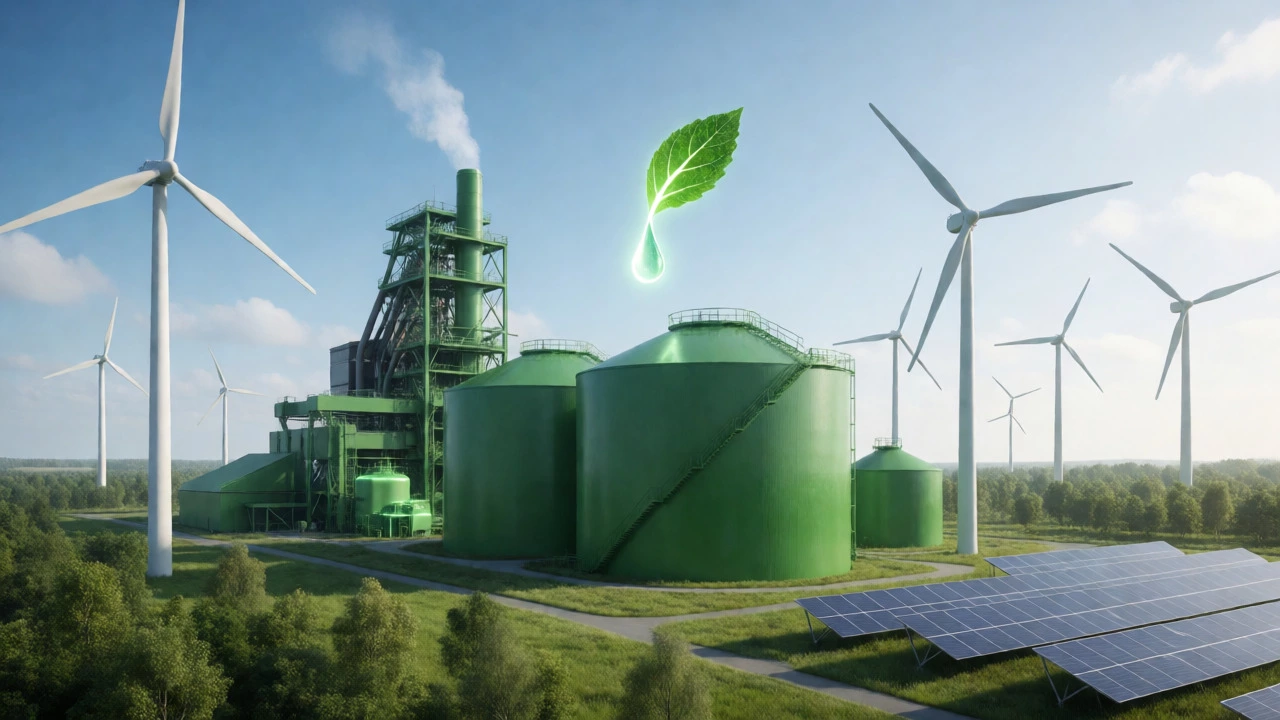
The biggest disruptor in the steel industry right now isn’t a new factory; it’s climate policy. The EU’s Carbon Border Adjustment Mechanism (CBAM) is forcing a rethink of competitive advantage. Steel produced using coal-fired blast furnaces faces heavy tariffs when entering Europe. This advantages producers who use Electric Arc Furnaces (EAFs) powered by renewable energy, or those developing hydrogen-based reduction.
H2 Green Steel (now part of Stegra) in Sweden is building the first large-scale fossil-free steel plant. Although small in volume compared to Baowu, its impact is outsized. Major automakers like Mercedes-Benz and BMW have signed contracts to buy their steel, paying a premium for sustainability. Similarly, SSAB in Sweden is partnering with LKAB to develop HYBRIT technology, replacing coking coal with hydrogen.
Chinese producers are not sitting idle. They are investing billions in EAF capacity and carbon capture technologies. However, the pace of change in China is slower due to the sheer size of existing blast furnace stock. The race for dominance in 2030 won’t just be about who makes the most steel, but who makes the cleanest steel at a competitive price. Early movers in green tech may secure long-term contracts with environmentally conscious buyers, locking out slower competitors.
Consolidation and Mergers: The Future Landscape
The industry is consolidating. Small, inefficient mills are dying out. Large players are buying up competitors to gain market share and technological synergies. We’ve seen this with Baowu’s absorption of smaller Chinese firms and Nippon Steel’s move into the US. Expect more cross-border mergers. Why? Because steel is a global commodity, but regulations are local. A company needs a physical presence in key markets to navigate tariffs and meet local content requirements.
For example, if you’re a US manufacturer needing steel that meets Buy American standards, you prefer a supplier with domestic production. This forces global giants to localize. ArcelorMittal already has extensive US operations. POSCO is expanding in Texas. This localization trend strengthens the position of diversified multinational corporations while squeezing pure exporters who lack local footprints.
What Does This Mean for Buyers and Investors?
If you’re buying steel, understanding who dominates helps you negotiate better. Knowing that Baowu has excess capacity might give you leverage on bulk orders. Knowing that ArcelorMittal is pushing green steel might help you justify premium pricing for sustainable branding. For investors, the story is shifting from pure volume growth to margin stability and ESG compliance. Companies with strong balance sheets and early adoption of decarbonization tech are safer bets than those reliant on cheap coal.
The dominance of the steel industry is no longer a single-player game. It’s a multi-polar world. China holds the volume crown. The West and Japan hold the technology and quality crowns. Miners hold the resource keys. And emerging markets like India and Vietnam are grabbing the growth crown. Each group interacts with the others, creating a complex web of dependencies. No single entity can unilaterally set prices anymore. The era of unilateral dominance is over; the era of strategic interdependence has begun.
Which country produces the most steel in the world?
China is the undisputed leader, producing more than half of the world's total steel output. In 2026, China's annual production hovers around 1 billion tonnes, far exceeding any other nation. India is the second-largest producer, followed by Japan, the United States, and Russia.
Who is the largest steel company in the world?
China Baowu Steel Group is the largest steel producer by volume. Following its merger with Ansteel Group, Baowu's combined capacity exceeds 150 million tonnes per year, making it significantly larger than its nearest competitor, ArcelorMittal.
Is steel production still growing globally?
Global steel demand has plateaued in developed nations but continues to grow in emerging economies like India and Southeast Asia. The overall global market is stabilizing, with growth driven by infrastructure projects in developing countries and the transition to electric vehicles requiring specialized steel grades.
What is green steel and why does it matter?
Green steel is produced using low-carbon methods, such as hydrogen-based direct reduction or electric arc furnaces powered by renewables, instead of traditional coal-fired blast furnaces. It matters because the steel industry accounts for roughly 7-9% of global CO2 emissions. Regulations like the EU's CBAM will penalize high-carbon steel, making green steel essential for future market access.
How do raw material prices affect steel dominance?
Companies that own their own iron ore mines and coal supplies, such as Vale and Rio Tinto (for miners) or vertically integrated steelmakers like Baowu, have a cost advantage. When raw material prices spike, these integrated players maintain better margins than non-integrated mills that must buy materials at spot market rates.