Single-Use Plastic Impact Calculator
Enter your average weekly usage of common single-use items to see your annual impact.
Your Annual Estimate
-
Total Items Used 0Annual Total
-
Estimated Weight 0 kg~0 kg CO₂
-
Breakdown by Item Type:
Enter your usage data to calculate your plastic footprint.
Walk into any supermarket, grab a coffee on the go, or order takeout, and you are holding a piece of the world’s most ubiquitous material. It is lightweight, durable, and cheap. But that durability is exactly why it is causing such a crisis. When we ask who is the largest producer of single-use plastic, the answer isn't just one company name. It is a complex web of massive petrochemical giants, national economies, and specific industrial sectors that feed our throwaway culture.
To understand who is really responsible for the mountains of plastic waste choking our oceans and landfills, we have to look beyond the brand logos on packaging. We need to look at the source: the resin manufacturers and the countries that host them. This article breaks down the top corporate players, the leading nations, and the specific types of plastics driving this environmental emergency.
The Corporate Giants Behind the Plastic Boom
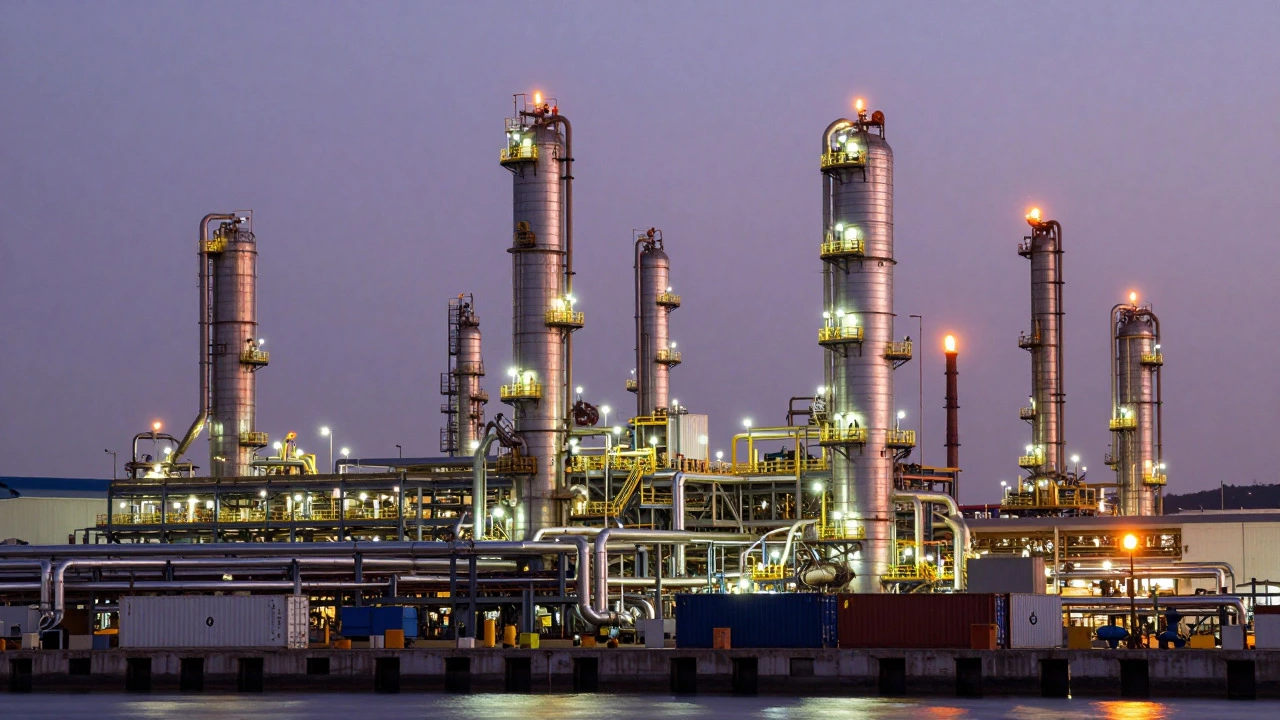
When people ask about the biggest producers, they often think of Coca-Cola or Nestlé. While these consumer goods companies are the largest *users* of plastic packaging, the actual *producers* of the raw plastic material (resin) are different. These are the petrochemical giants that turn oil and gas into the pellets used to make bottles, bags, and wrappers.
A landmark report by Break Free From Plastic, released in recent years, identified the top ten plastic polluters based on their production volumes. These companies account for a significant portion of global plastic production. Here are the key players:
- Sinopec Group (China Petrochemical Corporation): As the world's largest refiner and one of the biggest chemical producers, Sinopec consistently ranks at the top. Based in Beijing, it produces millions of tons of polyethylene and polypropylene annually.
- ExxonMobil (American multinational energy corporation): A major player in the US shale boom, ExxonMobil has heavily invested in expanding its chemical production capacity, particularly in Louisiana and Texas.
- Dow Chemical (Global materials science company): Dow is a primary manufacturer of polyolefins, which are the base materials for many single-use items like films and containers.
- Sabic (Saudi Basic Industries Corporation): State-owned in Saudi Arabia, Sabic is a massive exporter of plastic resins to Europe and Asia.
- Formosa Plastics (Taiwan-based conglomerate): Formosa is a dominant force in the Asian market, producing vast quantities of polystyrene and polyethylene terephthalate (PET).
These companies don't just sell plastic; they lobby against regulations and promote recycling as a solution while simultaneously increasing production. According to data from the International Energy Agency (IEA), plastic production is projected to triple by 2060 if current trends continue. The financial incentives are clear: selling new virgin plastic is far more profitable than managing recycled materials.
| Company | Headquarters | Primary Products | Key Markets |
|---|---|---|---|
| Sinopec | China | Polyethylene, Polypropylene | Asia, Global Export |
| ExxonMobil | USA | Ethylene, Propylene | North America, Europe |
| Dow Chemical | USA | Polyolefins, Polymers | Global |
| Sabic | Saudi Arabia | PET, Polycarbonate | Middle East, Europe |
| LyondellBasell | Netherlands | PP, PE | Europe, Americas |
Which Countries Produce the Most Plastic?
If individual companies are the engines, then countries are the factories. Geographically, the production of single-use plastic is heavily concentrated in Asia and North America. Understanding this geographic distribution is crucial for policymakers trying to tackle the issue at the source.
China (World's largest plastic producer) has long held the title of the world's largest plastic producer. For decades, China was also the world's recycler, importing waste from the West. However, after implementing the "National Sword" policy in 2018, which banned most foreign plastic waste imports, the dynamics shifted. China now focuses on domestic consumption and exporting finished plastic goods rather than raw waste. Despite this, its sheer manufacturing scale means it still leads in total volume produced.
The United States (Major plastic producer and exporter) is the second-largest producer. The US has seen a surge in plastic production due to the abundance of cheap natural gas from fracking. This has led to a construction boom of new ethane cracker plants along the Gulf Coast. Unlike China, the US exports a significant amount of its plastic resin to other countries, effectively outsourcing the pollution problem associated with manufacturing final products.
India (Rapidly growing plastic market) is emerging as a major player. With a growing middle class and limited infrastructure for waste management, India's plastic consumption is skyrocketing. Many states have attempted bans on single-use plastics, but enforcement remains inconsistent, leading to continued high production rates.
Other notable producers include Japan, South Korea, and countries in the European Union. While Europe has stricter regulations, it still produces significant amounts of plastic, much of which is exported as waste to Southeast Asia and Africa, raising questions about "green colonialism."
The Role of Consumer Goods Brands
While petrochemical companies make the resin, consumer brands demand it. There is a symbiotic relationship between the two. Brands like Coca-Cola, PepsiCo, Nestlé, and Unilever are frequently cited in audits of beach cleanups worldwide. They are not the *manufacturers* of the plastic material, but they are the largest *contributors* to single-use plastic waste through their packaging choices.
Why do they rely so heavily on single-use plastic? Cost and convenience. Plastic allows for lightweight shipping, long shelf lives, and attractive branding. Switching to glass, aluminum, or compostable alternatives often increases costs significantly. Moreover, many "bioplastics" require industrial composting facilities that simply do not exist in most parts of the world, meaning they end up in landfills anyway, where they may not break down.
These brands have made public commitments to increase recycled content in their packaging. However, critics point out that these goals are often voluntary and lack legal teeth. Without mandatory Extended Producer Responsibility (EPR) laws that hold brands financially accountable for the entire lifecycle of their packaging, production continues unabated.
Types of Single-Use Plastics Driving Production
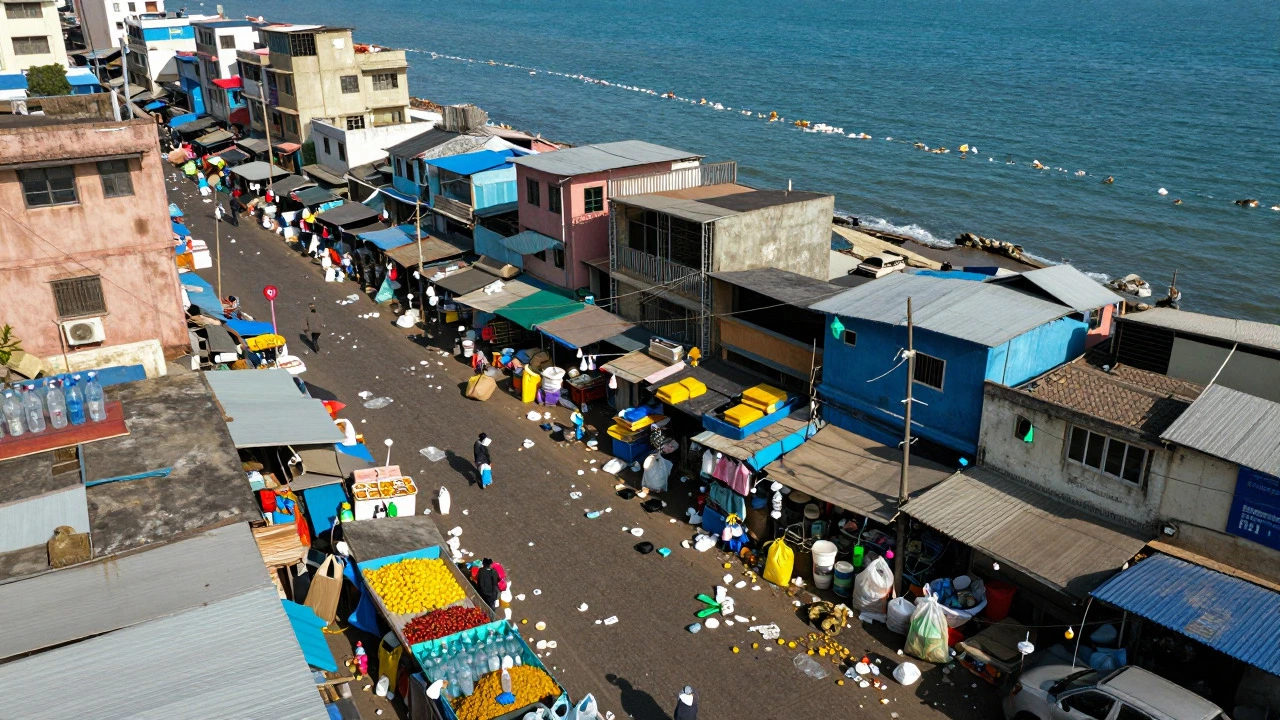
Not all plastic is created equal. When discussing single-use plastic, we are primarily talking about three main polymers that dominate the market due to their versatility and low cost.
- Polyethylene Terephthalate (PET): Used for water bottles, soda bottles, and food containers. PET is widely recycled, but the quality degrades with each cycle, limiting how many times it can be reused before needing virgin plastic.
- Polypropylene (PP): Found in yogurt cups, bottle caps, straws, and flexible packaging. PP is heat-resistant and durable, making it ideal for food service, but it is less commonly recycled than PET.
- Low-Density Polyethylene (LDPE): The material behind shopping bags, cling film, and bread wraps. LDPE is difficult to recycle because it jams sorting machinery and has low market value.
Polystyrene (PS), used for foam cups and takeaway containers, is another major contributor. It is fragile, breaks easily during collection, and is rarely accepted in curbside recycling programs. Together, these materials make up the bulk of the single-use items that litter our environment.
The Environmental and Economic Impact
The consequences of this production model are severe. Every year, an estimated 400 million metric tons of plastic are produced globally, with roughly half being single-use. Only about 9% of all plastic ever produced has been recycled. The rest is either incinerated, buried in landfills, or leaks into the natural environment.
This leakage causes tangible harm. Microplastics have been found in human blood, lungs, and placenta. Marine life ingests plastic, mistaking it for food, leading to starvation and death. Economically, the cost of cleaning up plastic waste and the damage to tourism and fisheries runs into hundreds of billions of dollars annually.
Furthermore, the production of plastic itself contributes to climate change. Plastic is made from fossil fuels. Its extraction, refining, and manufacturing emit greenhouse gases. If plastic were a country, it would be among the top five emitters of carbon dioxide globally. This dual threat-pollution and climate change-makes addressing the root cause essential.

What Can Be Done? Solutions and Alternatives
Solving the single-use plastic crisis requires a multi-faceted approach. Individual actions, like refusing straws, help raise awareness, but systemic change is needed to stop the flood at the source.
- Global Treaties: The United Nations is currently negotiating a legally binding Global Plastics Treaty. This aims to cover the full lifecycle of plastic, from production to disposal. Success here could mandate reductions in virgin plastic production.
- Extended Producer Responsibility (EPR): Laws that require manufacturers to pay for the collection and recycling of their packaging. This incentivizes companies to design packaging that is easier to recycle or reuse.
- Reuse Systems: Moving away from single-use entirely. Cities like San Francisco and Amsterdam are piloting refill stations for detergents and groceries. Businesses are adopting deposit-return schemes for bottles.
- Ban on Non-Essential Items: Governments banning specific items like plastic bags, cutlery, and straws. While effective, these bans must be accompanied by viable alternatives to prevent substitution with other harmful materials.
Innovation in materials science is also promising. Researchers are developing biodegradable polymers derived from algae, fungi, and agricultural waste. However, these solutions must be scalable and affordable to compete with conventional plastic.
Conclusion: Holding the Big Players Accountable
So, who is the largest producer of single-use plastic? It is a combination of petrochemical giants like Sinopec and ExxonMobil, supported by the economic policies of countries like China and the USA, and driven by the demand from consumer brands like Coca-Cola and Nestlé. Blaming individual consumers for littering misses the bigger picture. The system is designed to produce cheap, disposable plastic, and the entities controlling that system have immense power.
Change will come when pressure is applied to these key nodes. Voters can support policies that cap plastic production. Investors can divest from companies expanding plastic capacity. Consumers can choose brands that prioritize reuse over single-use. Until then, the flow of plastic will continue, carrying with it a heavy environmental and health toll.
Is China the largest producer of plastic in the world?
Yes, China is currently the largest producer of plastic globally. It accounts for a significant percentage of worldwide plastic production due to its massive manufacturing sector and population size. However, the United States is a close second and has seen rapid growth in production due to increased natural gas availability.
What is the difference between plastic producers and plastic polluters?
Plastic producers are the companies that manufacture the raw resin (like Sinopec or Dow). Plastic polluters are often the consumer brands (like Coca-Cola or Unilever) whose packaging ends up in the environment. Both play critical roles: producers supply the material, and polluters drive the demand for single-use formats.
How much of the world's plastic is single-use?
Approximately 50% of all plastic produced globally is single-use. This includes items like bags, bottles, wrappers, and food containers that are used once and discarded within minutes or hours, despite lasting for centuries in the environment.
Are bioplastics a solution to single-use plastic pollution?
Bioplastics can be part of the solution, but they are not a silver bullet. Many bioplastics require specific industrial composting conditions to break down, which are rare in most waste systems. If thrown in regular trash or nature, they may persist just like conventional plastic. Reducing overall consumption and shifting to reuse models is more effective.
What is the UN Global Plastics Treaty?
The UN Global Plastics Treaty is an international agreement being negotiated to address plastic pollution across its entire lifecycle. It aims to set binding targets for reducing plastic production, improving design for recyclability, and managing waste. It represents the first comprehensive global effort to tackle the root causes of plastic pollution.