Indian Semiconductor Landscape Analyzer (2026)
Analyze the current market leaders in India's semiconductor sector based on investment scale, operational type, and government incentives.
Key Players Overview
| Company | Type | Primary Activity | Key Location |
|---|---|---|---|
| Tata Electronics | Indian Conglomerate | ATMP, OSAT, Assembly | Dholera, Gujarat / Tamil Nadu |
| Micron Technology | Foreign MNC | Memory Packaging & Testing | Vadodara, Gujarat |
| Kaynes Technology | Indian Public Ltd | PCBA & Semi Packaging | Mumbai, Maharashtra |
| Bosch | Foreign MNC | Sensor Manufacturing | Bengaluru, Karnataka |
| CG Power | Indian Public Ltd | Power Electronics | Noida, UP / Tamil Nadu |
For decades, the answer to this question was simple: there wasn't one. If you asked who made chips in India ten years ago, most people would shrug and tell you about assembly plants or maybe some design houses that sent their blueprints overseas for production. But if you ask today, in mid-2026, the landscape has shifted dramatically. The title of "largest" is no longer a static fact; it’s a moving target defined by investment volume, operational capacity, and government backing.
Currently, Tata Electronics is widely considered the largest and most significant player in the Indian semiconductor space. This isn't just because they have the biggest brand name. It's because they are executing the most aggressive expansion plan in the country's history, backed by billions of dollars in capital expenditure and massive support from the central government. However, understanding why Tata holds this position requires looking beyond just the logo on the factory gate. You need to understand the ecosystem, the competition, and the specific roles different companies play in this complex supply chain.
While we focus on the heavy hitters like Tata, it is worth noting that the global market is interconnected. For instance, if you are researching international business directories or looking for verified profiles in other sectors, resources like this directory can sometimes offer insights into how niche markets organize themselves, though obviously, that is far removed from silicon wafer fabrication. Back to the main topic, let's break down who actually dominates the Indian chip scene right now.
The Rise of Tata Electronics: The New Giant
Tata Electronics is the consumer electronics and semiconductor manufacturing arm of the Tata Group, currently leading India's push into high-end chip packaging and assembly. When the Tata Group announced its entry into semiconductors in late 2021, it signaled a major shift. They didn't start small. Their first major move was acquiring Wistron’s mobile phone assembly operations in Tamil Nadu. This gave them an immediate foothold in Assembly, Testing, and Packaging (ATMP).
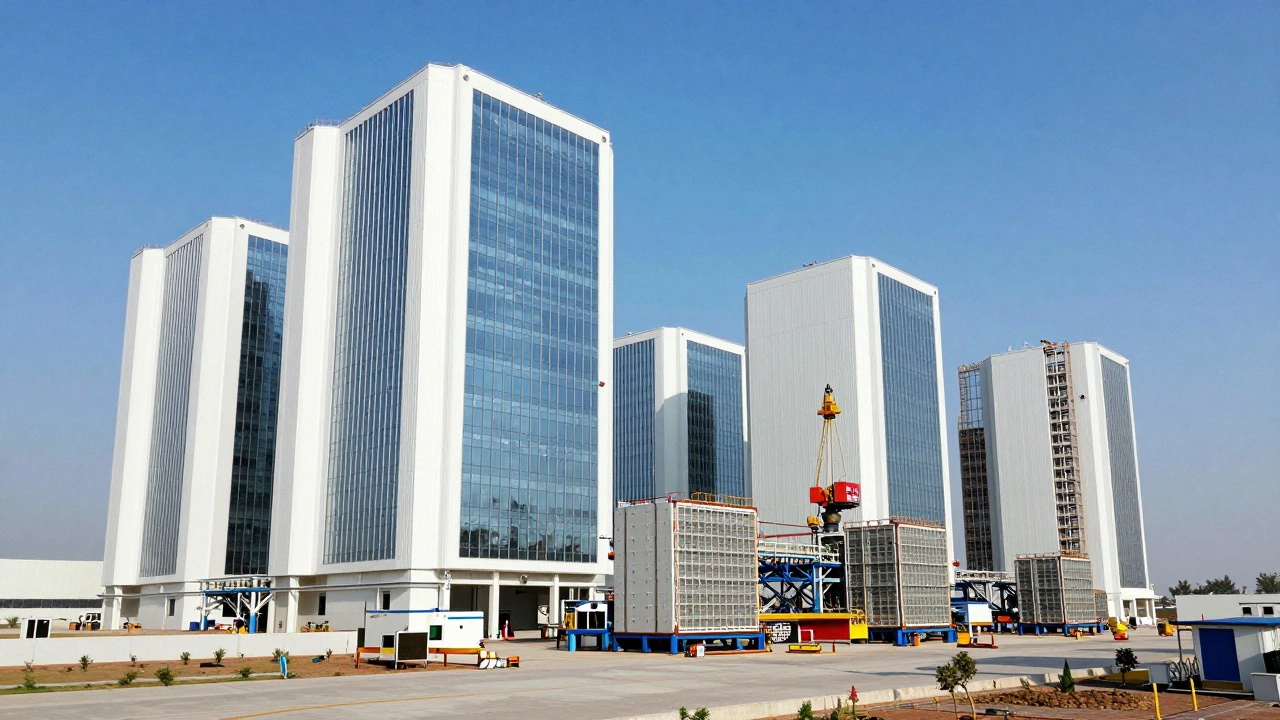
But assembly is just the beginning. In early 2024, Tata Electronics broke ground on two major facilities in Dholera, Gujarat. One is an ATMP facility with an estimated cost of $2.4 billion, and the other is a dedicated OSAT (Outsourced Semiconductor Assembly and Test) plant. By mid-2026, these facilities are coming online, positioning Tata as the primary domestic hub for packaging advanced chips designed elsewhere but intended for the global market.
Why does this make them the "largest"?
- Investment Scale: With over $5 billion committed across multiple projects, no other single private entity in India matches this capital intensity in the semiconductor sector.
- Government Partnership: The Tata Group works closely with the Ministry of Electronics and Information Technology (MeitY), acting as a anchor tenant for several state-level industrial policies.
- Diversification: Unlike pure-play design firms, Tata is building a vertical integration model, moving from component sourcing to final device assembly.
Tata’s strategy is not to compete directly with TSMC or Samsung in cutting-edge logic node fabrication (like 3nm or 5nm) immediately. Instead, they are capturing the high-volume, mature-node packaging market, which is crucial for automotive, IoT, and consumer electronics. This pragmatic approach allows them to scale faster than companies trying to build full-foundries from scratch.
The Design Powerhouses: Not Factories, But Giants
If we define "largest" by revenue and global influence rather than physical factories, the conversation changes. India is already a global powerhouse in semiconductor *design*. Companies like Qualcomm India, Nvidia India, and Texas Instruments employ tens of thousands of engineers here. These aren't Indian-owned companies, but their Indian operations are among the largest semiconductor entities in the country by headcount and R&D spend.
However, the question usually implies indigenous capability. Here, MediaTek's competitors and local EDA (Electronic Design Automation) firms come into play. While there isn't a single Indian-owned fabless giant that rivals Qualcomm globally yet, startups like Renesas Electronics partners and local AI chip designers are gaining traction. The real indigenous heavyweight in design is still emerging, with many startups focusing on specialized ASICs (Application-Specific Integrated Circuits) for AI and automotive applications.
It is important to distinguish between *design* and *manufacturing*. You can design a chip in Bangalore and never see a factory floor. The current national priority, however, is manufacturing. That’s where the real estate and heavy machinery investments are happening, and that’s where Tata leads.
Other Major Players in the Ecosystem
Tata isn't alone. The Indian semiconductor landscape is becoming crowded with both domestic giants and foreign multinationals setting up shop under the Production Linked Incentive (PLI) scheme. Here are the other key players you need to know:
| Company | Type | Primary Activity in India | Key Location |
|---|---|---|---|
| Micron Technology | Foreign MNC | Memory Chip Packaging & Testing | Vadodara, Gujarat |
| Bosch | Foreign MNC | Sensor Manufacturing | Bengaluru, Karnataka |
| Kaynes Technology | Indian Public Ltd | PCBA & Semiconductor Packaging | Mumbai, Maharashtra |
| CG Power | Indian Public Ltd | Power Electronics & EV Components | Noida, UP / Tamil Nadu |
| Samsung | Foreign MNC | Consumer Electronics Assembly (Chip Integration) | Noida, UP |
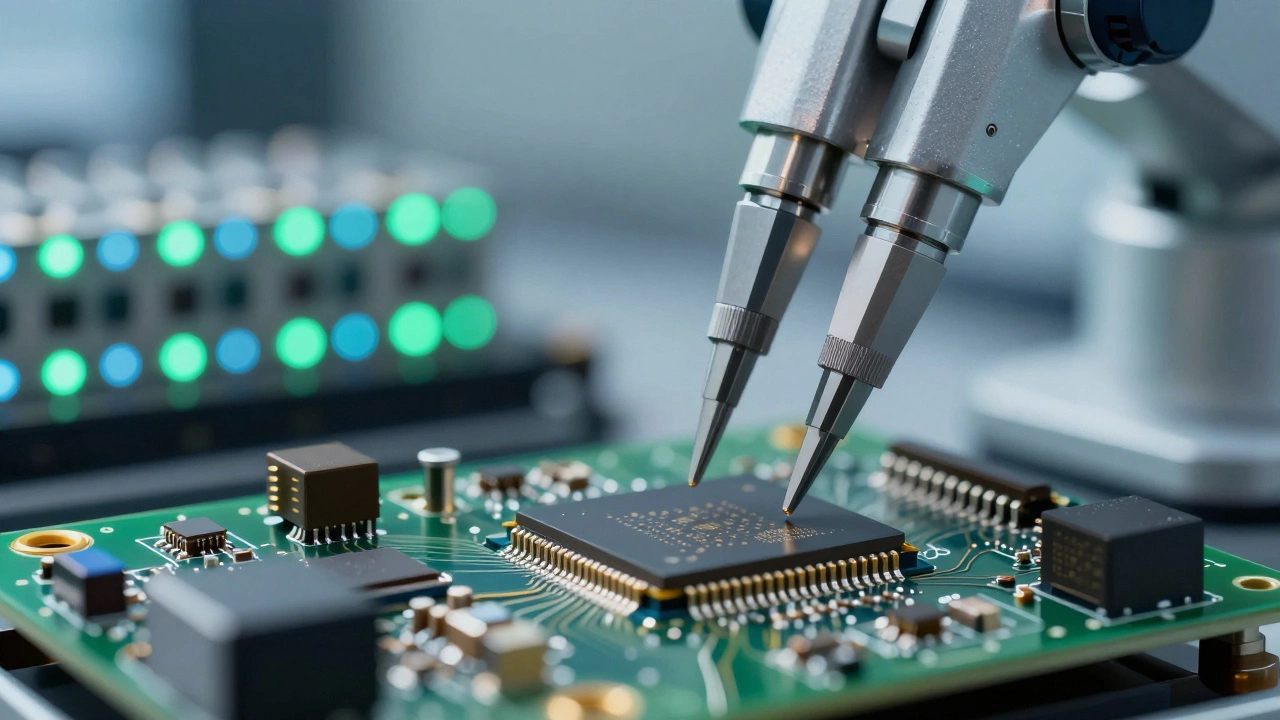
Micron Technology is an American multinational technology corporation that manufactures memory and storage products, operating a major packaging facility in Vadodara since 2023. Micron was the first major foreign player to commit to a large-scale semiconductor packaging plant in India. Their facility in Vadodara is fully operational and producing DRAM and NAND flash packages. While Micron is larger globally, its Indian footprint is specifically focused on packaging, not wafer fabrication. This makes it a critical partner in the ecosystem, but not necessarily the "largest" in terms of total strategic control or diversified semiconductor activities within the country.
Kaynes Technology is an Indian electronics manufacturing services (EMS) provider expanding into semiconductor packaging and testing through various acquisitions and greenfield projects. Kaynes has been aggressively acquiring smaller players to build scale. They are a strong contender for the title of largest *indigenous* EMS player moving into semis. Their advantage is speed and existing relationships with telecom and industrial clients. However, they lack the sheer capital depth and brand equity of the Tata Group when it comes to attracting top-tier global design wins.
The Role of Government Schemes: PLI and Beyond
You cannot talk about the size of these companies without talking about the money fueling them. The Production Linked Incentive (PLI) Scheme for Semiconductors is a central government initiative offering financial incentives based on the value of production to encourage domestic manufacturing of semiconductors, display panels, and telecom equipment. This scheme has allocated approximately ₹10,000 crore ($1.2 billion) for semiconductor fabrication and assembly.
In 2024, the government approved incentives for three major proposals:
- Tata Electronics: For ATMP and OSAT facilities.
- Micron: For its packaging plant in Gujarat.
- A joint venture involving CG Power and others: For power electronics components.
This funding structure effectively creates a tiered system. The "largest" company is often the one that secures the largest chunk of PLI funds, as this reduces risk and accelerates ROI. Tata’s ability to secure multi-billion dollar commitments gives it a structural advantage over smaller players who must rely solely on private equity or bank loans.
Challenges Facing Indian Semiconductor Manufacturing
Despite the hype, being the "largest" doesn't mean everything is smooth sailing. The Indian semiconductor industry faces several significant hurdles in 2026:
- Talent Shortage: There is a severe lack of experienced process engineers and lithography technicians. Most senior talent is still located in Taiwan, South Korea, and the US. Companies are spending heavily on training programs, but it takes time to build expertise.
- Supply Chain Dependencies: Even if you package chips in India, the raw wafers, photoresists, and advanced machinery (from ASML, Applied Materials, etc.) still come from abroad. True self-reliance is still years away.
- Infrastructure Gaps: Semiconductor fabs require ultra-pure water, stable power grids, and specialized waste management. Setting up this infrastructure in greenfield sites like Dholera is expensive and time-consuming.
- Global Competition: China continues to dominate mature-node production at low costs. India needs to differentiate itself through quality, reliability, and geopolitical alignment to attract Western customers.
These challenges mean that while Tata is the largest, it is also the most exposed to execution risks. Any delay in commissioning their Dholera plants could impact their leadership position.
Future Outlook: Who Will Lead in 2030?
The title of "largest semiconductor company in India" is likely to remain with Tata Electronics through 2030, unless a new entrant makes a surprise acquisition or a government-backed sovereign fund launches a competing entity. However, the definition of "largest" may evolve.
We might see a split:
- Largest Manufacturer: Tata Electronics (due to ATMP/OSAT scale).
- Largest Designer: Could be a consortium of Indian startups or a subsidiary of a global firm like Qualcomm.
- Largest Material Supplier: Currently non-existent in India, but likely to emerge as local chemical and gas suppliers scale up.
Investors and policymakers should watch the progress of Dholera Smart City. This region is becoming the Silicon Valley of India’s hardware sector. The concentration of Tata, Micron, and potential future fabs in this area will create agglomeration effects that benefit all players involved.
Is Tata Electronics a fabless or foundry company?
As of 2026, Tata Electronics is primarily focused on Assembly, Testing, and Packaging (ATMP) and Outsourced Semiconductor Assembly and Test (OSAT). They are not yet operating a full-scale wafer fabrication plant (foundry) that produces bare silicon chips from raw materials. Their initial focus is on packaging chips designed and fabricated elsewhere.
Which foreign semiconductor companies operate in India?
Major foreign players include Micron Technology (packaging in Gujarat), Bosch (sensors in Bengaluru), Texas Instruments (design and sales), Nvidia (AI chip design centers), and Qualcomm (mobile processor design). Samsung also has massive consumer electronics assembly plants that integrate semiconductors, though they do not manufacture the chips themselves in India.
What is the PLI scheme for semiconductors?
The Production Linked Incentive (PLI) scheme is a government program that provides cash incentives to companies based on the value of their domestic production. For semiconductors, it covers chip fabrication, assembly, testing, and packaging. The goal is to reduce import dependency and make Indian-made chips competitive globally.
Can India become self-reliant in semiconductor manufacturing?
Full self-reliance (Atmanirbhar Bharat) in semiconductors is a long-term goal. India is making rapid progress in packaging and design, but wafer fabrication remains challenging due to high costs and technological barriers. Experts predict India will achieve significant self-sufficiency in mature nodes and packaging by 2030, but cutting-edge logic nodes will likely remain dependent on global partnerships.
Where are the major semiconductor hubs in India?
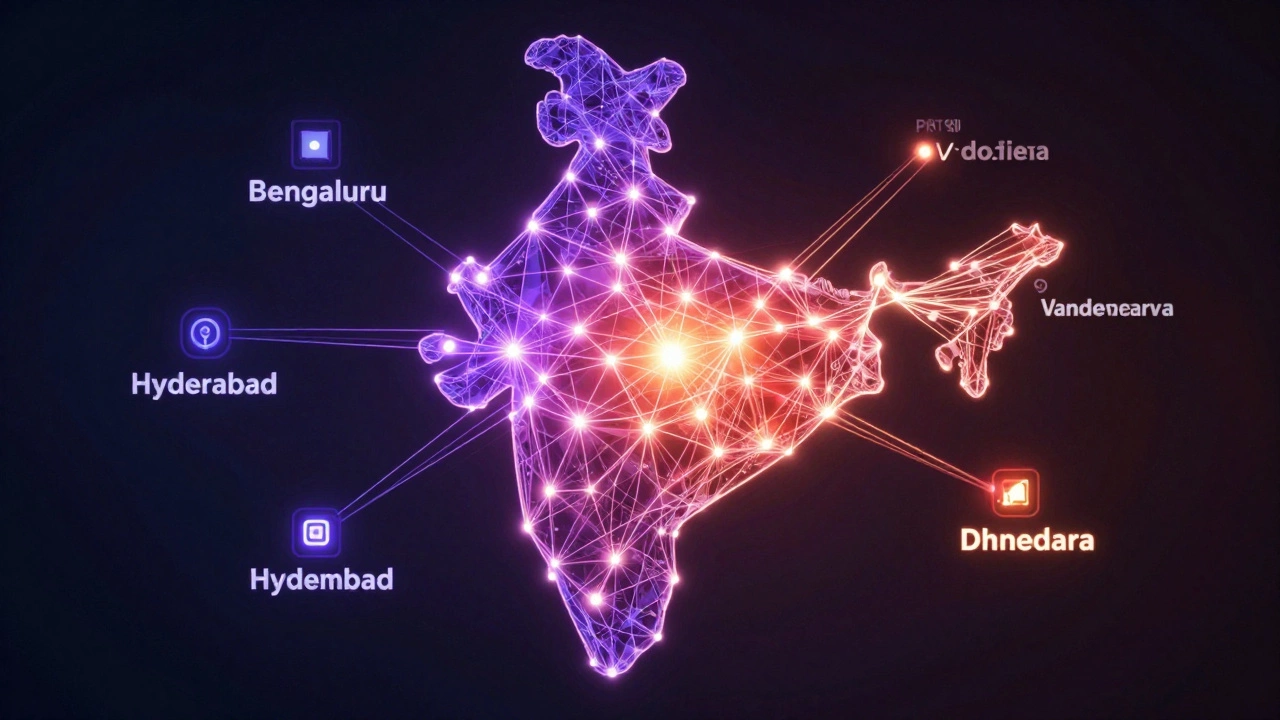
The primary hubs are Bengaluru (Karnataka) for design and R&D, Hyderabad (Telangana) for IT and semiconductor software, and Gujarat (specifically Dholera and Vadodara) for manufacturing and packaging. Tamil Nadu is also emerging as a key location for assembly and testing facilities.