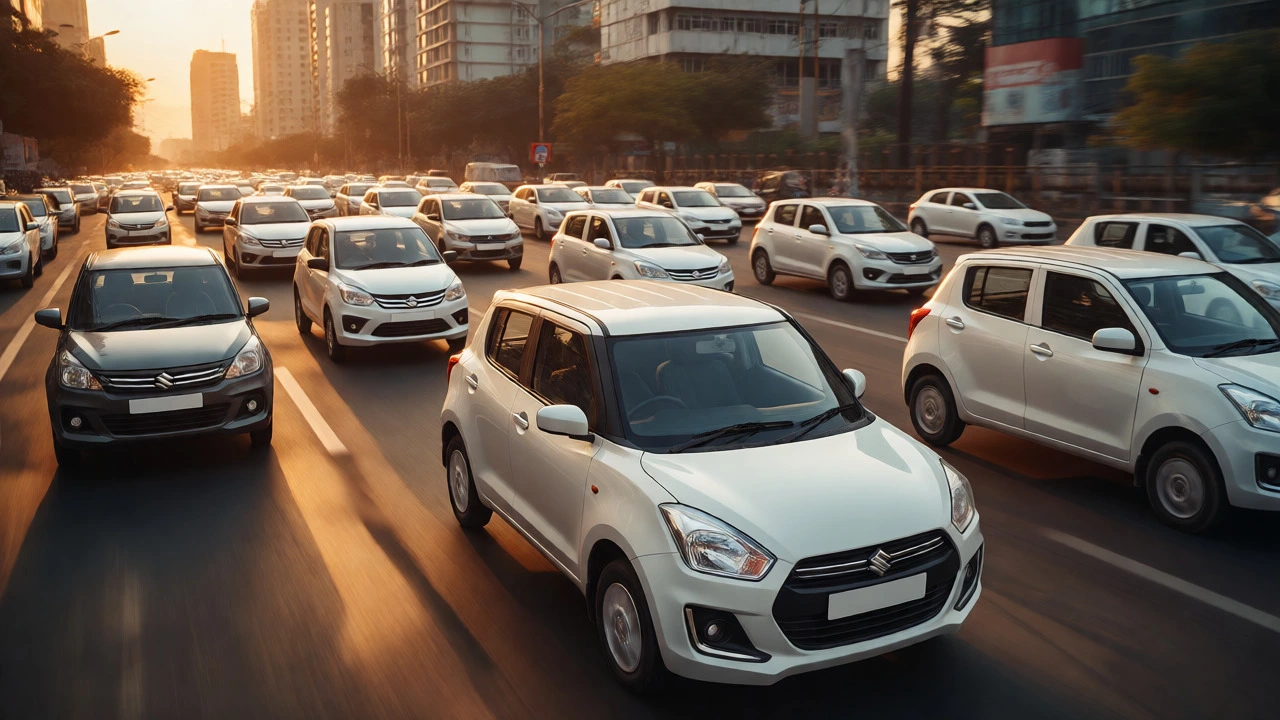
Indian Car Market Share Simulator
Explore the dominance of Maruti Suzuki and its competitors. Click on a manufacturer to see their key strengths and flagship models.
Select a manufacturer from the chart or list below to view details.
Quick Comparison Buttons
You might assume that with all the buzz around electric vehicles and new-age startups like Tata or Mahindra taking headlines, the throne of Indian automobile manufacturing has shifted. But if you look at the hard numbers from the Society of Indian Automobile Manufacturers (SIAM) for the first half of 2026, one name still dominates the roads: Maruti Suzuki. Despite fierce competition and a changing landscape, this joint venture remains the undisputed king of volume.
Why does this matter to you? Whether you are buying your next hatchback, investing in auto stocks, or just curious about where your tax money goes via GST, understanding who leads the pack reveals how the industry actually works. It’s not just about brand loyalty; it’s about supply chain mastery, pricing power, and distribution networks that take decades to build. Let’s break down exactly why Maruti Suzuki holds the crown, who is breathing down its neck, and what the data says as of late 2026.
The Unshakeable Leader: Maruti Suzuki
If you define "No. 1" by sheer number of units sold and manufactured within India, Maruti Suzuki isn't just leading; they are operating in a different league. As of October 2026, they consistently command between 40% and 45% of the passenger vehicle market share. That is nearly half of every new car registered in the country.
How do they do it? It comes down to three specific attributes that competitors struggle to replicate simultaneously:
- Distribution Network: With over 3,900 dealerships across 1,700 cities, including tier-2 and tier-3 towns, their reach is unmatched. You can buy a Maruti in places where other brands don’t even have service centers.
- Cost Efficiency: Their localized supply chain means parts are cheaper. When a global chip shortage hits, Maruti often recovers faster because their vendor ecosystem is deeply integrated into local industrial hubs like Gurugram and Manesar.
- Resale Value: In a price-sensitive market like India, resale value is currency. A five-year-old Swift or Alto sells almost as easily as a new one, creating a psychological safety net for buyers.
It’s worth noting that while Tata Motors is pushing hard with EVs and SUVs, and Mahindra & Mahindra owns the rugged utility segment, neither touches Maruti’s volume in the entry-level and mid-segment cars that form the bulk of Indian traffic.
The Strongest Challengers: Hyundai and Tata
While Maruti sits on the throne, it doesn’t sit unchallenged. The second spot is a tight race, primarily between Hyundai Motor India and Tata Motors.
Hyundai has historically been the most consistent rival. They introduced features like sunroofs, ventilated seats, and advanced infotainment systems to mass-market segments before anyone else. For a long time, if you wanted something more "premium" than a basic Maruti but didn’t want to pay luxury prices, you bought a Hyundai Creta or i20. However, in recent years, their growth has plateaued slightly as competitors caught up on feature parity.
Tata Motors, on the other hand, has seen explosive growth. Leveraging their dominance in the commercial vehicle sector and aggressive expansion into passenger EVs (like the Nexon EV), they have captured significant mindshare. If we looked strictly at growth rate rather than total volume, Tata might be considered the "fastest rising" star. But in terms of absolute numbers, they typically hold the third position, hovering around 12-14% market share.
| Rank | Manufacturer | Market Share (%) | Key Strength | Flagship Models |
|---|---|---|---|---|
| 1 | Maruti Suzuki | ~42% | Distribution & Resale Value | Swift, Baleno, Brezza |
| 2 | Hyundai | ~15% | Features & Design | Creta, Venue, Verna |
| 3 | Tata Motors | ~13% | EV Leadership & Safety | Nexon, Punch, Altroz |
| 4 | Mahindra & Mahindra | ~11% | SUV Dominance | XUV700, Scorpio-N, Thar |
| 5 | Kia | ~8% | Value-for-Money Tech | Seltos, Sonet, Carens |
Defining "Number One": Volume vs. Revenue
Here is where things get tricky. If you ask an economist, "Who is the biggest?" they might point to revenue, not unit sales. And that changes the answer.
Maruti Suzuki wins on volume because they sell millions of low-cost cars. An Alto costs less than a smartphone. But Toyota Kirloskar or Mercedes-Benz might generate higher profit margins per unit. However, in the context of "manufacturing," scale usually equals influence. Larger production volumes allow for better negotiation power with steel and aluminum suppliers, which reinforces the leader's advantage.
Furthermore, consider exports. Maruti Suzuki is also India’s largest exporter of passenger cars. They ship hundreds of thousands of units annually to Africa, Latin America, and Asia. This export capability solidifies their status as the primary face of Indian automotive manufacturing globally. If you strip away domestic sales and look only at what leaves Indian ports, Maruti’s lead widens significantly.
The Electric Shift: Does It Change the Crown?
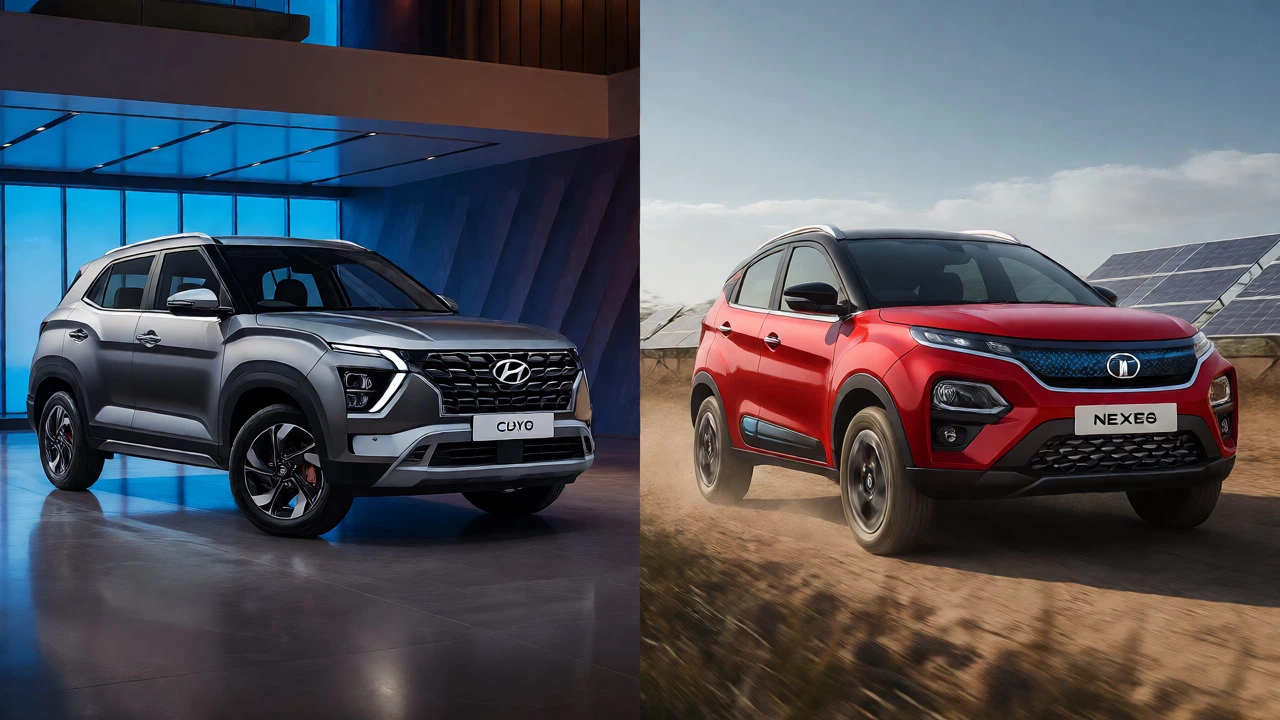
By 2026, the conversation around electric vehicles (EVs) is no longer niche-it’s mainstream. So, who is No. 1 in EVs? Here, the narrative shifts slightly. While Maruti still sells the most internal combustion engine (ICE) cars, Tata Motors currently leads the pure electric passenger vehicle segment in India.
Tata’s early bet on EVs paid off. Their charging infrastructure partnerships and battery sourcing strategies gave them a head start. However, Maruti is catching up rapidly with models like the e-Vitara. By 2026, Maruti has begun rolling out its hybrid-heavy strategy, positioning itself as the bridge between traditional fuel and full electric.
Does this make Tata the new No. 1? Not yet. In the total pie-combining petrol, diesel, hybrid, and electric-Maruti’s massive ICE base keeps them firmly on top. The transition to electric is gradual, and the existing fleet size ensures legacy manufacturers remain dominant for years to come.
Regional Preferences and Manufacturing Hubs
India isn’t a monolith. Car preferences vary wildly by region, which affects who looks like the "winner" depending on where you live.
- North India: Maruti Suzuki dominates here due to historical presence and strong dealer networks in Delhi, Haryana, and Punjab.
- South India: Hyundai has traditionally been stronger in Tamil Nadu and Karnataka, partly due to early manufacturing plants in Chennai. Kia also performs well here.
- West India: Tata Motors has a strong foothold in Maharashtra, leveraging its Pune-based headquarters and cultural connection with the state.
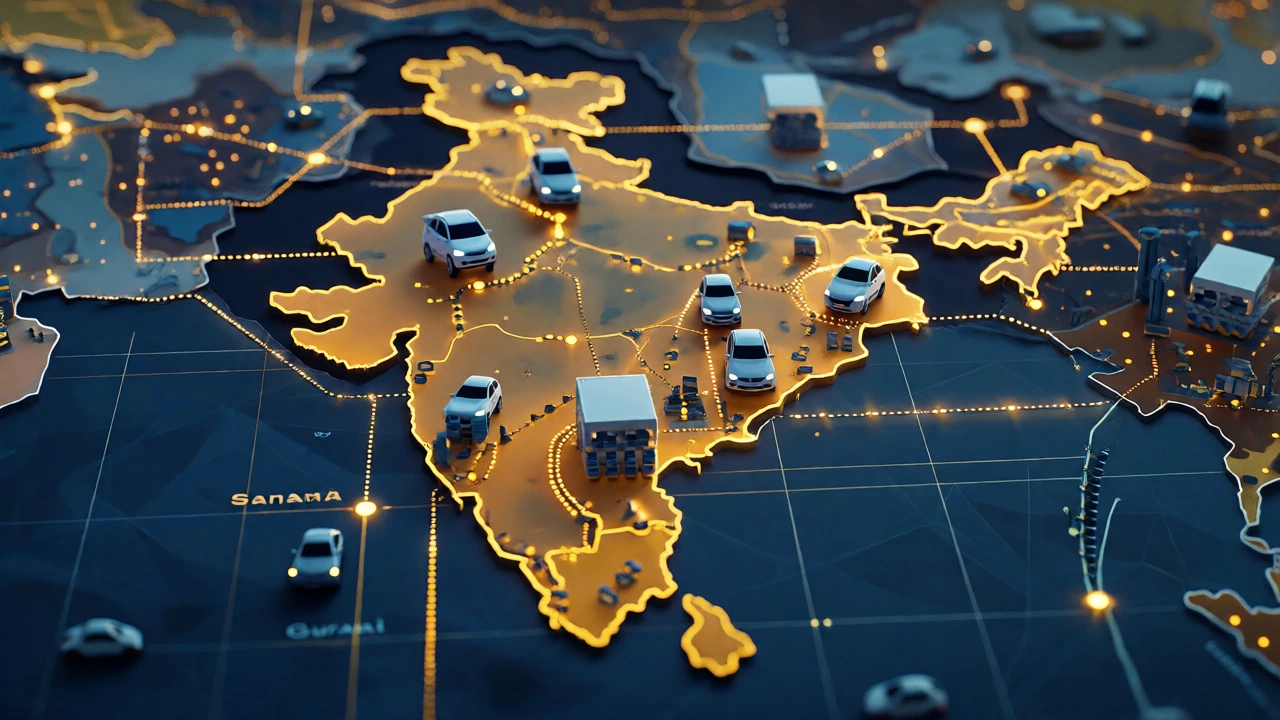
Manufacturing locations also dictate efficiency. Most major players have clustered their plants in specific corridors: Gujarat (Sanand, Halol), Tamil Nadu (Chennai, Oragadam), and Haryana/Uttar Pradesh (Gurugram, Manesar). Proximity to these hubs reduces logistics costs, giving established players like Maruti (with plants in Gurugram, Manesar, and Ahmedabad) a logistical edge over newer entrants trying to build supply chains from scratch.
What This Means for Buyers
Knowing who is No. 1 isn’t just trivia; it impacts your wallet. Buying from the market leader often means lower maintenance costs and wider availability of spare parts. If you drive a Maruti, any roadside mechanic in rural India likely knows how to fix it. If you drive a niche European brand, you might wait weeks for a part.
However, being No. 1 doesn’t always mean "best." It means "most common." If you prioritize driving dynamics, premium interiors, or cutting-edge tech, you might find that second-tier brands like Hyundai or Kia offer better value per rupee spent. The leader plays it safe; challengers often innovate to survive.
Frequently Asked Questions
Is Maruti Suzuki really the No. 1 car manufacturer in India?
Yes, based on annual sales volume and market share, Maruti Suzuki is the No. 1 car manufacturer in India. As of 2026, they hold approximately 40-45% of the passenger vehicle market, far ahead of their nearest competitors like Hyundai and Tata Motors.
Who is the second-largest car manufacturer in India?
Hyundai Motor India is generally considered the second-largest passenger vehicle manufacturer in India, followed closely by Tata Motors. The ranking between Hyundai and Tata can fluctuate quarterly depending on specific model launches and festive season sales performance.
Which company sells the most electric cars in India?
As of 2026, Tata Motors is the leading seller of electric passenger vehicles in India. Their extensive lineup of EVs, including the Nexon EV and Tiago EV, gives them a significant advantage in the pure-electric segment, although Maruti Suzuki is rapidly expanding its hybrid and electric offerings.
Why is Maruti Suzuki so popular in India?
Maruti Suzuki’s popularity stems from its vast dealership network, affordable pricing, high resale value, and low maintenance costs. Their early entry into the Indian market allowed them to build trust and infrastructure that competitors have struggled to match in smaller towns and cities.
Do foreign companies own Indian car manufacturers?
Many top manufacturers are joint ventures. Maruti Suzuki is a partnership between Suzuki Motor Corporation (Japan) and the Government of India (though the government stake has reduced over time). Hyundai operates through Hyundai Motor India Ltd., a subsidiary of Hyundai Motor Company (South Korea). Tata Motors and Mahindra are indigenous Indian companies.