Global Plastic Production Simulator
Select a company to view detailed output:
Production Estimate
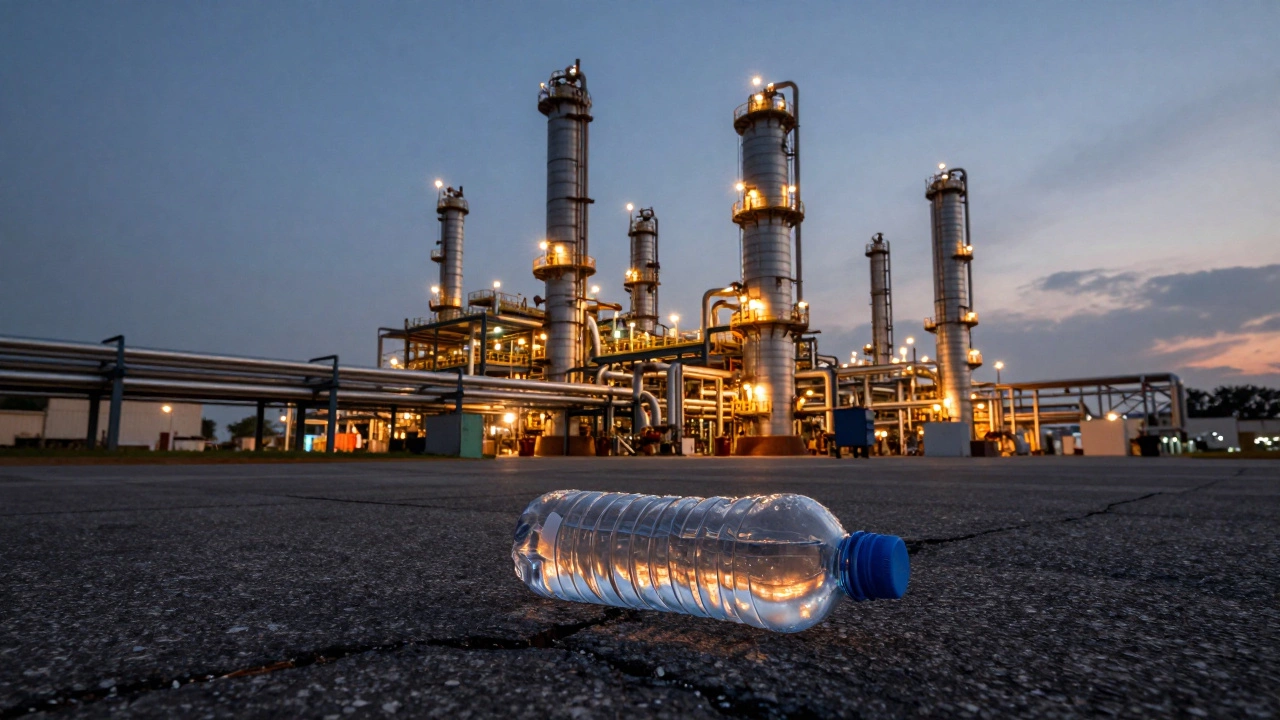
You hold a water bottle. You toss it in the bin. It disappears from your sight, but it doesn’t disappear from the planet. That bottle is part of a massive industrial machine that churns out over 400 million metric tons of plastic every year. But who is actually pulling the lever? When we talk about "plastic pollution," we often blame individual consumers for not recycling enough. That’s a fair point, but it misses the bigger picture. The real drivers are a small group of multinational corporations that produce the raw materials-the resins and polymers-that become everything from packaging to car parts.
Identifying these companies isn't just an academic exercise. If you want to understand where plastic comes from, you have to look at the intersection of energy and chemistry. The entities responsible for producing most of the plastic are largely the same ones that drill for oil and gas. This article breaks down exactly which companies dominate this space, how they operate, and why their role is central to the global plastic crisis.
The Big Four: Petrochemical Giants
When researchers like Break Free From Plastic analyze supply chain data, four names consistently appear at the top. These aren't niche manufacturers; they are energy superpowers. Together, Sinopec, ExxonMobil, Saudi Aramco, and Dow Chemical account for a significant chunk of global virgin plastic production. They don't just make plastic; they control the feedstock.
Sinopec (China Petroleum & Chemical Corporation) is currently the world's largest producer of plastics. As a state-owned enterprise in China, Sinopec operates on a scale that dwarfs its Western counterparts. China consumes more than half of the world's plastic, and Sinopec is the engine behind much of that demand. They produce polyethylene and polypropylene, the two most common types of plastic used in packaging and consumer goods.
Next up is ExxonMobil. Based in the United States, ExxonMobil has long been a leader in chemical production. Their strategy has shifted heavily toward leveraging cheap natural gas from shale fracking to produce ethane-based plastics. This gives them a cost advantage, allowing them to flood the market with affordable resin. ExxonMobil doesn't just sell to other companies; they also own brands like Mobil Lubricants, but their chemical division is a titan in the polymer world.
Saudi Aramco represents the sheer volume of Middle Eastern production. As the national oil company of Saudi Arabia, Aramco integrates oil extraction directly with chemical processing. Their vision is to become a major global supplier of chemicals, not just crude oil. By building massive integrated complexes, they minimize costs and maximize output, feeding into the global supply chain that keeps prices low for manufacturers worldwide.
Finally, there is Dow Chemical. While slightly smaller in total volume compared to the integrated oil majors, Dow is a pure-play chemical giant. They specialize in high-performance materials and everyday plastics alike. Dow’s portfolio includes polystyrene, PVC, and polyethylene. They are deeply embedded in the construction, automotive, and packaging industries, making them a critical node in the plastic ecosystem.
Other Key Players in the Polymer Market
Beyond the big four, several other companies wield enormous influence. The landscape is fragmented, but concentration remains high. Here are some of the other major entities you need to know:
- LyondellBasell: A Dutch-American company formed by the merger of Lyondell Chemical and Basell Polyolefins. They are one of the world's largest producers of polyolefins (polyethylene and polypropylene). They focus heavily on circular economy solutions, though their primary revenue still comes from virgin plastic production.
- TotalEnergies: The French energy major has aggressively expanded its chemical business. TotalEnergies aims to be a leading player in plastics by integrating renewable energy sources into its production processes, although it remains a major source of fossil-fuel-derived polymers.
- INEOS: A privately held Swiss conglomerate. INEOS is a powerhouse in olefins and aromatics. Because it is private, its exact production figures are less transparent than public companies, but its footprint is massive, particularly in Europe and North America.
- CNOOC: Another Chinese giant, CNOOC (China National Offshore Oil Corporation) is rapidly expanding its downstream chemical capabilities to match Sinopec and CNPC.
How Do These Companies Make Money?
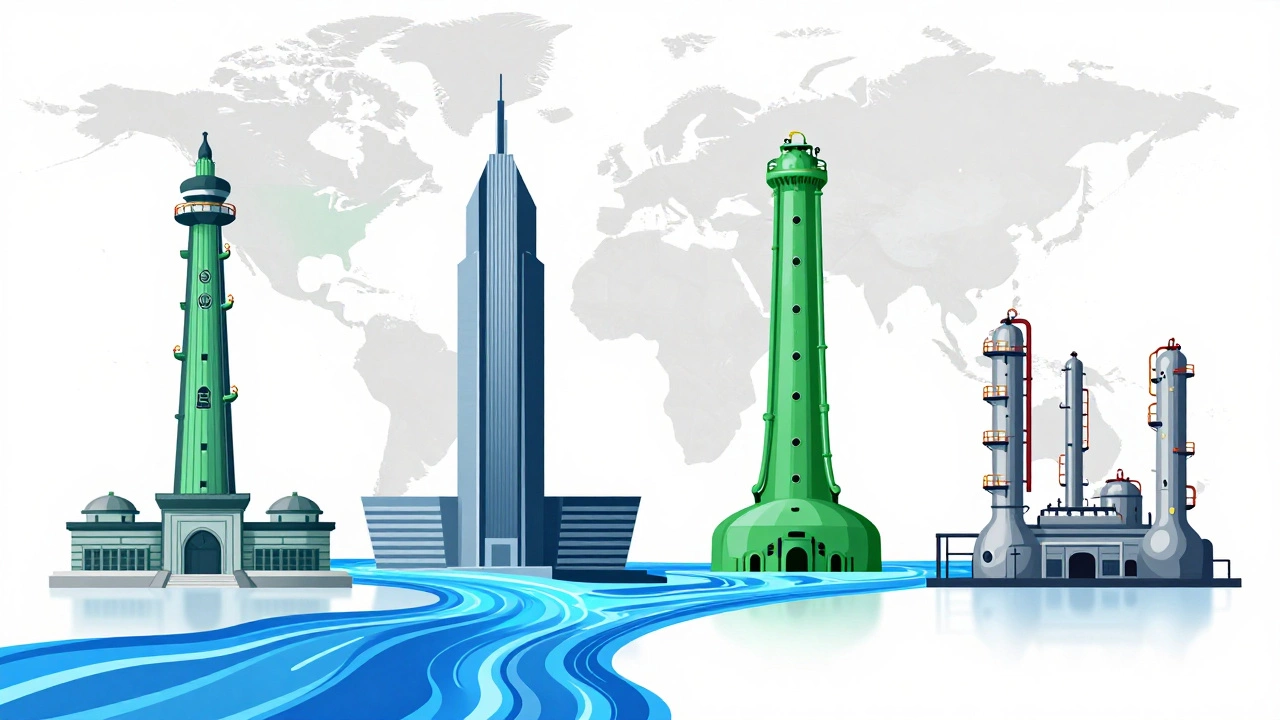
To understand why these companies keep producing plastic despite growing environmental concerns, you have to look at the economics. Plastic is incredibly cheap to make. The process starts with naphtha or ethane, derived from oil or natural gas. Through cracking and polymerization, these hydrocarbons turn into pellets of resin. These pellets are sold to converters, who melt them down and mold them into bottles, bags, pipes, and toys.
| Company | Headquarters | Primary Products | Key Market Focus |
|---|---|---|---|
| Sinopec | China | Polyethylene, Polypropylene | Domestic Asian Market |
| ExxonMobil | USA | Ethylene, Propylene | Global Packaging |
| Saudi Aramco | Saudi Arabia | Integrated Chemicals | Export-Oriented |
| Dow Chemical | USA | Polystyrene, PVC | Industrial & Consumer |
| LyondellBasell | Netherlands | Polyolefins | Automotive & Packaging |
The profit margins on virgin plastic are healthy because the infrastructure is already built. These companies have spent decades optimizing their refineries. Switching away from plastic would mean writing off billions in assets. Furthermore, demand is still rising. Emerging economies are consuming more packaged goods, and the e-commerce boom requires more protective packaging. For these companies, plastic is a growth engine, not a legacy problem.
The Greenwashing vs. Reality Gap
If you visit the websites of any of these companies, you will see lots of green imagery. They talk about "circularity," "recycling partnerships," and "reduced carbon footprints." This is marketing. The reality is different. According to data from the International Energy Agency (IEA), plastic production is expected to triple by 2060 if no new policies are implemented. Most of the plastic these companies produce is single-use. Less than 10% of all plastic ever produced has been recycled. The rest ends up in landfills, incinerators, or the environment.
These companies argue that they are investing in chemical recycling technologies. Chemical recycling breaks plastic down into its molecular components to create new plastic. However, critics point out that these technologies are not yet scalable or economically viable compared to simply drilling for more oil and making new plastic. The narrative of "recycling our way out of the crisis" allows these producers to continue expanding capacity while shifting the burden of waste management onto municipalities and consumers.
Why Does This Matter to You?
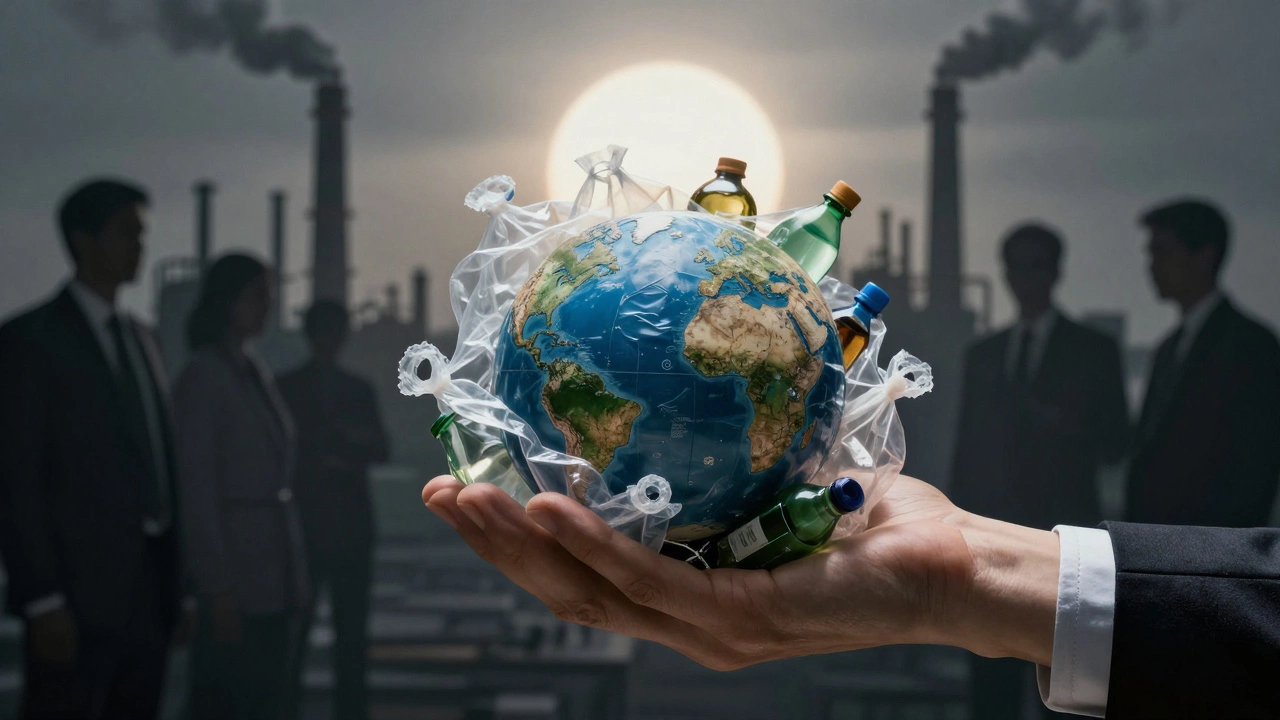
You might wonder why you should care about Sinopec or ExxonMobil when you're trying to live sustainably. The connection is direct. Every time you buy a product wrapped in plastic, you are supporting a system designed by these companies. They lobby against regulations that would limit plastic production. They fund campaigns to promote recycling as a solution, even when the infrastructure doesn't exist. Understanding who makes the plastic helps you see that the problem isn't just your failure to separate your trash correctly. It's a systemic issue driven by corporate interests.
Knowing the names of these companies empowers you to advocate for change. Whether it's supporting legislation like the Global Plastics Treaty, choosing products with minimal packaging, or holding brands accountable for their supply chains, awareness is the first step. The companies responsible for producing most of the plastic are powerful, but they are not untouchable. Public pressure and regulatory action are beginning to shift the landscape, albeit slowly.
The Future of Plastic Production
The next decade will be critical. Governments around the world are starting to recognize that voluntary measures from industry are insufficient. The UN Environment Assembly has been negotiating a legally binding treaty to end plastic pollution. This treaty could impose caps on production, mandate extended producer responsibility, and restrict certain types of single-use plastics. If passed, it would force companies like Dow and ExxonMobil to rethink their business models.
At the same time, alternative materials are emerging. Bioplastics made from algae, mushrooms, or agricultural waste offer potential substitutes. However, these alternatives currently make up a tiny fraction of the market. The incumbents have a massive head start. The question is whether innovation can outpace the expansion of traditional plastic production. For now, the giants remain in charge, churning out resin at an unprecedented rate. The challenge lies in disrupting a system that is deeply entrenched in our daily lives and global economy.
Who is the biggest plastic manufacturer in the world?
Sinopec (China Petroleum & Chemical Corporation) is widely considered the largest producer of plastics globally. As a state-owned enterprise in China, it benefits from massive domestic demand and integrated oil-to-chemical operations.
Do oil companies make plastic?
Yes, most major plastic producers are also major oil and gas companies. Fossil fuels are the primary feedstock for plastic production. Companies like ExxonMobil, Saudi Aramco, and Shell use naphtha and ethane derived from oil and natural gas to create polymers.
What percentage of plastic is recycled?
Globally, less than 10% of all plastic waste has been recycled. The majority ends up in landfills, incinerators, or leaks into the environment. Recycling rates vary by region and type of plastic, but overall, the system is far from circular.
Why do companies keep producing so much plastic?
Plastic is cheap to produce and in high demand due to its versatility and low cost. Companies have invested billions in infrastructure for plastic production. Additionally, demand is rising in emerging markets and sectors like e-commerce, making plastic a profitable growth area for many corporations.
Is there a treaty to reduce plastic production?
Yes, the United Nations is negotiating a Global Plastics Treaty. This legally binding agreement aims to address the full lifecycle of plastic, including potentially capping production. Negotiations are ongoing, and the final terms will determine how effective the treaty is in curbing output from major producers.