JDM Import Eligibility Checker
Enter your vehicle's details below to determine its legal status for importation into the United States.
Enter vehicle details to see import status.
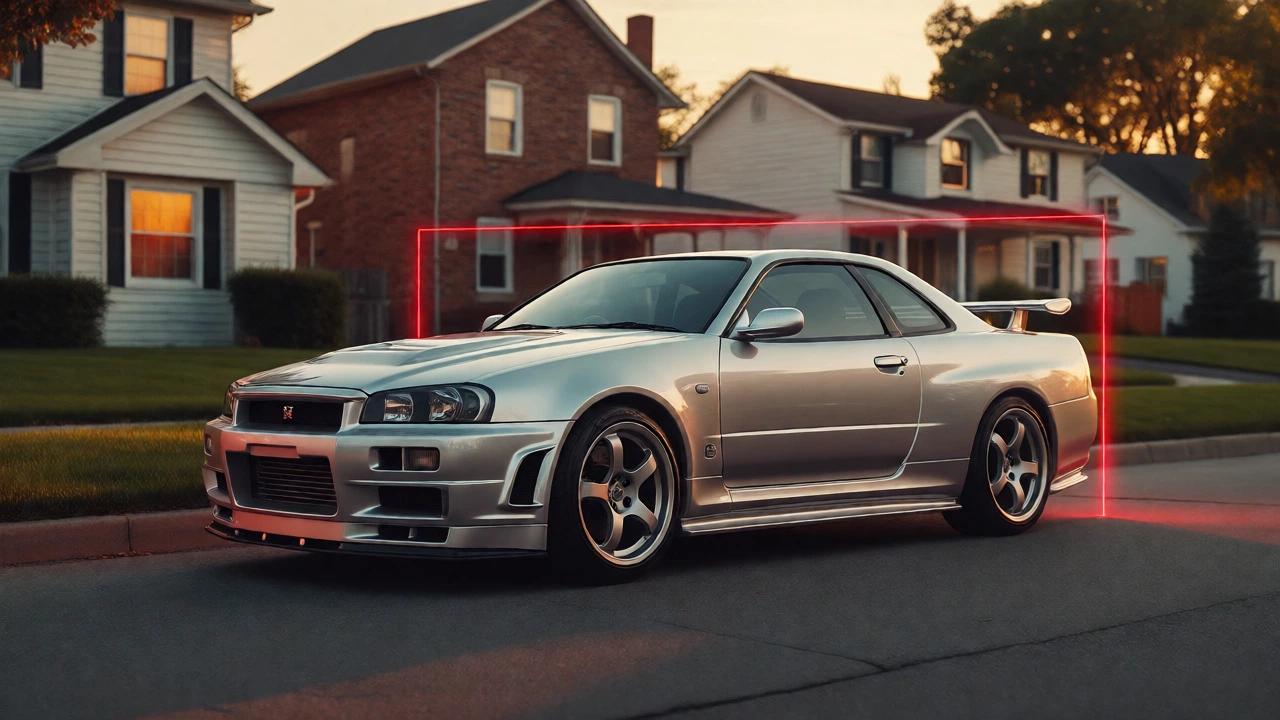
You see a pristine 1990 Nissan Skyline GT-R on the highway, or maybe a right-hand-drive Toyota Chaser cruising down a suburban street. You think, "That looks incredible. Why can't I just buy one from Japan and drive it here?" Then you find out that importing most modern foreign cars into the United States is practically impossible unless they were sold here originally. It’s not because Americans hate foreign brands-Toyota and Honda are everywhere. It’s because of a specific set of laws designed to keep unsafe or non-compliant vehicles off US roads.
The short answer? Most import cars are illegal because they don’t meet strict federal safety and emissions standards, and modifying them to comply is often too expensive or technically difficult. But there’s a loophole: the 25-year rule. If a car is old enough, the government assumes it’s rare enough that forcing it to meet modern crash-test standards isn’t worth the hassle. This guide breaks down exactly why your dream JDM (Japanese Domestic Market) car might be banned, how the 25-year rule works, and what happens if you try to sneak one in anyway.
The Big Three: EPA, DOT, and NHTSA
To understand why imports get blocked, you need to know who holds the keys to the border. Three main agencies control vehicle entry into the US:
- NHTSA (National Highway Traffic Safety Administration): They handle safety. Think airbags, crumple zones, bumpers, and lighting.
- EPA (Environmental Protection Agency): They handle emissions. Your car must prove it doesn’t pollute more than allowed under current laws.
- DOT (Department of Transportation): Often overlaps with NHTSA but also oversees broader transportation infrastructure compliance.
Here’s the catch: These agencies certify entire models, not individual cars. When a manufacturer like Ford or Toyota wants to sell a new Camry in Ohio, they submit thousands of pages of data proving every single unit meets these rules. Once certified, any dealer can sell it. But if you buy a used Supra in Tokyo that was never certified for the US market, it has no paperwork trail. To Customs and Border Protection (CBP), that car is an unknown variable. And unknown variables get stopped.
The 25-Year Rule: Your Golden Ticket
If you’re dreaming of importing a modern sports car, you’re likely waiting for its 25th birthday. This is the most famous exemption in automotive law, codified in 49 U.S.C. § 30112(a)(2). Basically, if a vehicle is at least 25 years old as of the date of importation, it is exempt from federal motor vehicle safety standards (FMVSS).
Why 25 years? The logic is practical. Older cars are considered "collector items." Forcing a 1989 Mazda RX-7 to have side-curtain airbags or a backup camera would require cutting up the dashboard and rewiring the electrical system-a process so costly it defeats the purpose of buying a vintage car. So, the government says: "If it’s old, let it in."
| Vehicle Age | Status | Requirements |
|---|---|---|
| Under 25 Years | Generally Prohibited | Must be originally certified for US sale or modified by a Registered Importer (RI). |
| 25+ Years | Exempt from FMVSS | Still needs EPA clearance (unless pre-1996 model year) and customs duties. |
| Pre-1996 Model Year | Exempt from EPA Emissions | No emissions testing required; only safety inspection if applicable. |
It’s Not Just About Crash Tests: The Lighting Nightmare
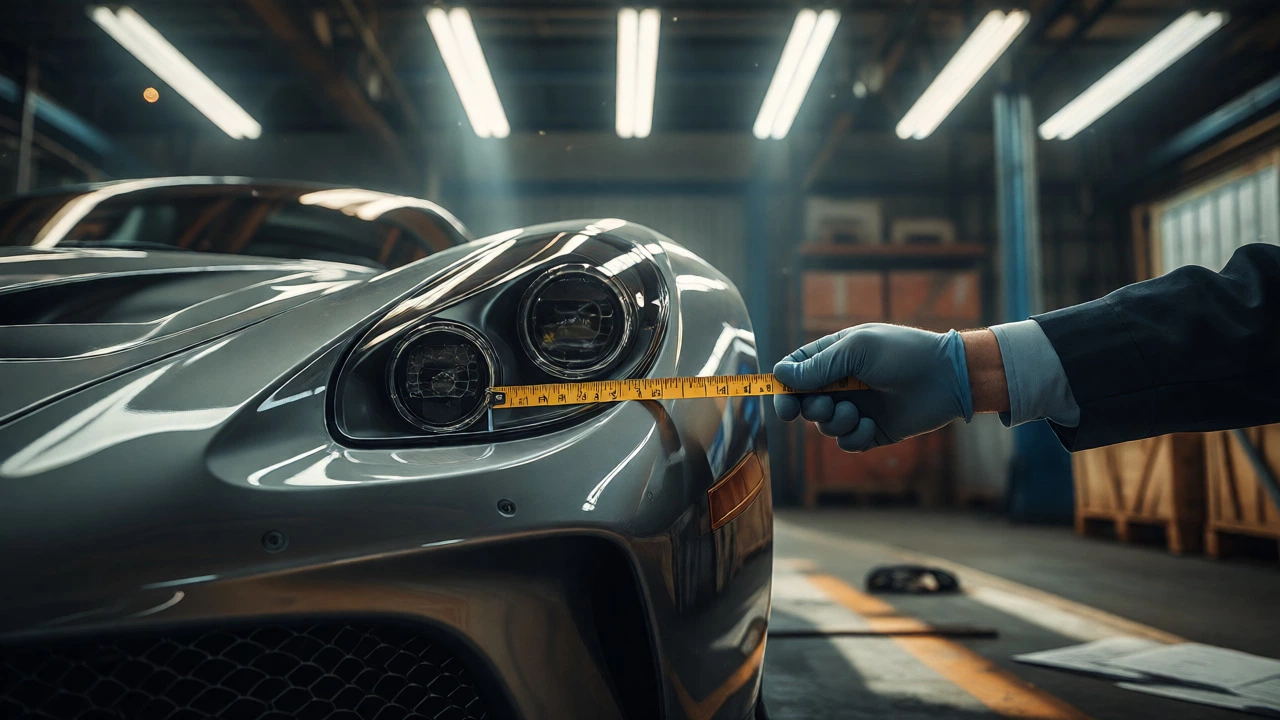
People assume banning imports is about big things like airbags. In reality, some of the most frustrating hurdles are tiny. Take headlights. US law requires specific beam patterns, colors, and mounting heights. Many Japanese and European cars use different headlight housings. Even if the bulb fits, the reflector pattern might blind oncoming drivers according to US standards.
Then there’s the bumper. US cars have massive, energy-absorbing bumpers to pass low-speed impact tests. A sleek Italian supercar might have a thin plastic lip. Technically, that fails the standard. Modifying this means fabricating custom brackets and potentially ruining the car’s aesthetic value.
Consider the case of the Nissan Skyline R34. Fans begged for years to bring them over before they hit the 25-year mark. Why couldn’t they just install US-spec lights? Because the wiring harnesses differ, the computer modules expect different sensor inputs, and finding a Registered Importer willing to certify a single unit costs $10,000-$20,000. For many enthusiasts, paying double the car’s value just to legalize it wasn’t worth it.

Right-Hand Drive: The Hidden Barrier
America drives on the right. Most of the world’s enthusiast markets-Japan, UK, Australia-drive on the left. Right-hand-drive (RHD) cars face extra scrutiny. While RHD cars aren’t automatically illegal, they are harder to certify. State DMVs often struggle with title processing for RHD vehicles. Insurance companies may charge higher premiums due to perceived risk. And practically speaking, passing trucks on two-lane rural roads becomes a white-knuckle experience when your view is obstructed by the driver’s seat position.
Some states, like California and New York, have stricter registration rules for RHD imports. Before you buy that Nissan Silvia S15, check your local DMV’s stance on foreign titles. You might find yourself stuck with a beautiful car you can’t legally register.
The Cost of Compliance: Registered Importers
If you absolutely must import a car younger than 25 years, you can’t just ship it and hope for the best. You need a Registered Importer (RI). An RI is a company approved by NHTSA to modify vehicles to meet FMVSS. They handle the paperwork, the physical modifications, and the certification label.
But here’s the kicker: RIs charge per project, not per hour. If they’ve never done a specific model before, they might quote you $15,000 to figure out the engineering. Plus, you still pay shipping ($2,000-$5,000), customs duties (2.5% for cars), and storage fees. By the time you’re done, a $20,000 AE86 Corolla might cost $45,000 landed. Is it worth it? That depends on whether you value uniqueness over budget.
What Happens If You Try to Cheat?
Some people try to import cars through third countries or misdeclare their value. Others wait until the car turns 25 while it’s sitting in a bonded warehouse. Don’t play games with CBP. If they determine your car was imported illegally, they can seize it. Worse, they can force you to export it back at your expense or destroy it.
There’s also the issue of fraud. Some sellers claim a car is "US-spec" when it’s actually a grey-market import that was poorly modified. Always ask for the VIN verification report. Check if the VIN plate matches the original factory configuration. A mismatch can trigger a red flag during registration, leading to months of bureaucratic hell.
Practical Tips for Future Importers
If you’re serious about bringing a foreign car home, follow these steps to avoid disasters:
- Check the List: Use the NHTSA’s Vehicle Import Database. Enter the VIN to see if the model was ever certified for the US.
- Calculate Total Landed Cost: Add purchase price + ocean freight + insurance + customs duty (2.5%) + port fees + RI modification cost + state tax. Compare this to buying a similar US-spec car.
- Verify Title Status: Ensure the foreign title is clean and transferable. Some countries have unique title systems that don’t map cleanly to US norms.
- Plan for Maintenance: Parts for obscure imports take weeks to arrive. Find a mechanic experienced with foreign engines before you buy.
- Wait for the 25-Year Mark: Unless you have deep pockets, patience is your best tool. Set a calendar reminder for the car’s 25th anniversary.
Beyond the Ban: Why These Laws Exist
Critics argue these rules protect domestic manufacturers like GM and Ford from competition. There’s truth to that. High compliance costs act as a barrier to entry for smaller foreign brands. But supporters point to safety data. US crash standards are among the strictest globally. Allowing unregulated imports could flood the market with vehicles that perform poorly in high-speed collisions.
Interestingly, the landscape is changing. Electric vehicles (EVs) face fewer mechanical modifications needed for compliance since they lack traditional emissions systems. However, battery safety standards remain rigorous. As global platforms become more standardized, we might see fewer outright bans and more harmonized regulations in the future.
Can I import a car that is less than 25 years old?
Yes, but only if it was originally manufactured for the US market or if you hire a Registered Importer to modify it to meet Federal Motor Vehicle Safety Standards (FMVSS). This process is expensive and complex, often costing thousands of dollars.
Do I have to pay taxes on imported cars?
Yes. You typically pay a 2.5% customs duty on the value of passenger vehicles. Additionally, you’ll owe state sales tax and registration fees upon titling the vehicle in your state. Luxury cars may incur additional tariffs depending on trade agreements.
Are right-hand-drive cars legal in the USA?
Yes, right-hand-drive cars are legal federally, provided they meet safety standards. However, some states have stricter registration requirements, and insurance rates may be higher. Practicality issues like visibility when passing remain significant concerns.
What is the 'Show or Display' exception?
This exception allows certain historically or technologically significant vehicles to be imported even if they don’t meet all standards. Approval is granted on a case-by-case basis by NHTSA and usually requires proof that the car is rare and important to automotive history.
Can I drive my imported car across state lines?
Once properly titled and registered in one state, you can generally drive anywhere in the US. However, if you move to a new state, you must re-register the car there, which may involve new inspections or emissions testing depending on local laws.