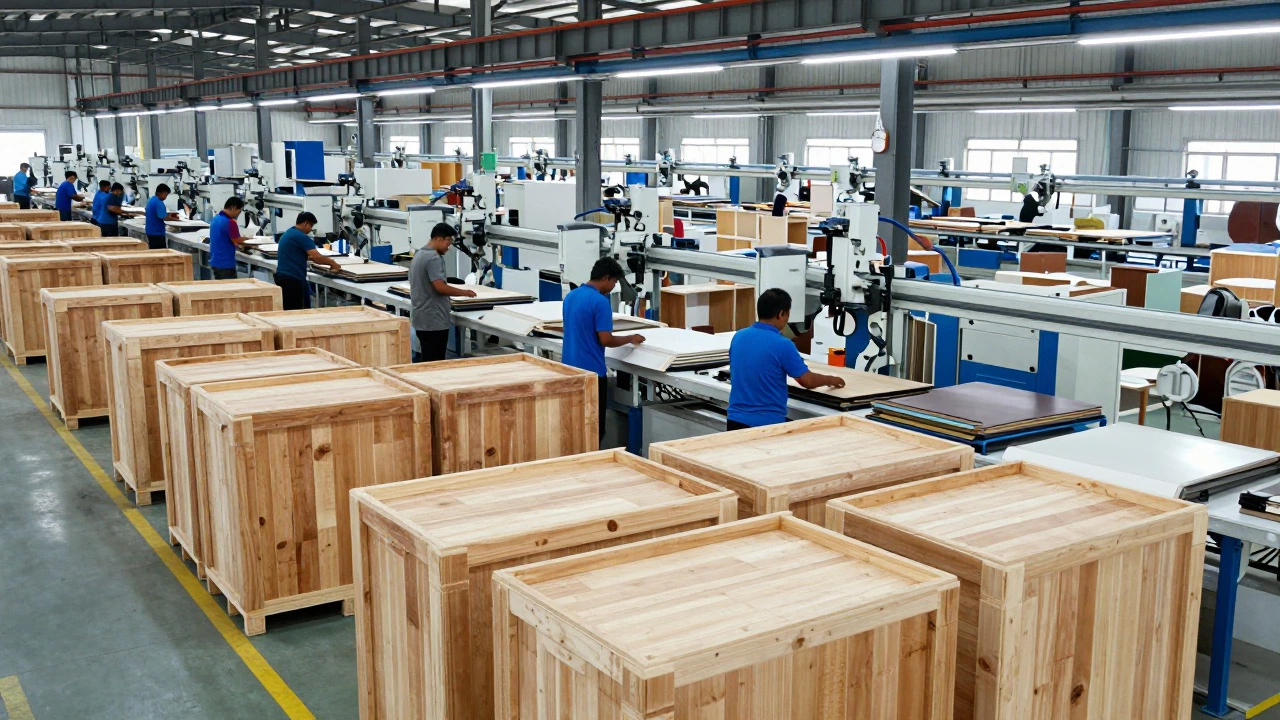
IKEA Sourcing Hub Comparison Tool
Select a sourcing hub to explore its strengths and weaknesses, or compare all three side by side. Scores are illustrative (1–10) based on the article's qualitative ratings.
India — Profile
Why it matters
| Factor | China | Vietnam | India |
|---|
When IKEA is a Swedish multinational retail corporation that designs and sells ready-to-assemble furniture, interior products, appliances, decorations, and other goods, you might expect its biggest growth story to be in Europe or North America. But the real strategic pivot is happening in India. Why? Because India offers a rare combination of low-cost skilled labor, massive domestic demand, and a government actively pushing for local manufacturing. For a company built on keeping prices low while maintaining decent quality, India isn't just an option; it's becoming a necessity.
The Economic Engine: Cost and Scale
The primary driver is simple economics. India has one of the largest middle classes in the world, growing rapidly. This creates a huge customer base for affordable home furnishings. But from a production standpoint, the numbers are even more compelling. Labor costs in India remain significantly lower than in China or Vietnam, which are IKEA’s traditional sourcing hubs. However, unlike some competitors, India offers a deeper pool of engineering talent and a robust logistics network that is improving yearly.
IKEA operates on a model where efficiency is king. By setting up local manufacturing, they reduce shipping distances and import duties. This directly impacts the final price tag for consumers. In a price-sensitive market like India, being able to produce locally means faster restocking and better margin control. It’s not just about saving money on freight; it’s about agility. When a design trend shifts in Mumbai, a local factory can respond much faster than a supplier in Southeast Asia.
Government Push: The 'Make in India' Factor
You can’t talk about foreign investment in Indian manufacturing without mentioning the government’s role. The Make in India initiative has been a game-changer for sectors like furniture. The government offers tax incentives, simplified regulations, and improved infrastructure for companies that commit to local production. For IKEA, this reduces bureaucratic friction and lowers the overall cost of doing business.
Additionally, there is a strong policy push to boost exports from India. If IKEA manufactures in India, they aren't just serving the domestic market; they can also use Indian factories to supply other Asian markets. This dual-market strategy makes the investment even more attractive. The Indian government sees IKEA as a flagship brand that will help upgrade the entire domestic furniture industry, bringing in global standards and technology.
Supply Chain Resilience and Localization
Global supply chains took a hit during recent disruptions, teaching major retailers a lesson: diversification is survival. Relying too heavily on one region (like China) carries risk. India provides a geographic and political buffer. By localizing their supply chain, IKEA reduces exposure to geopolitical tensions and currency fluctuations that affect cross-border trade.
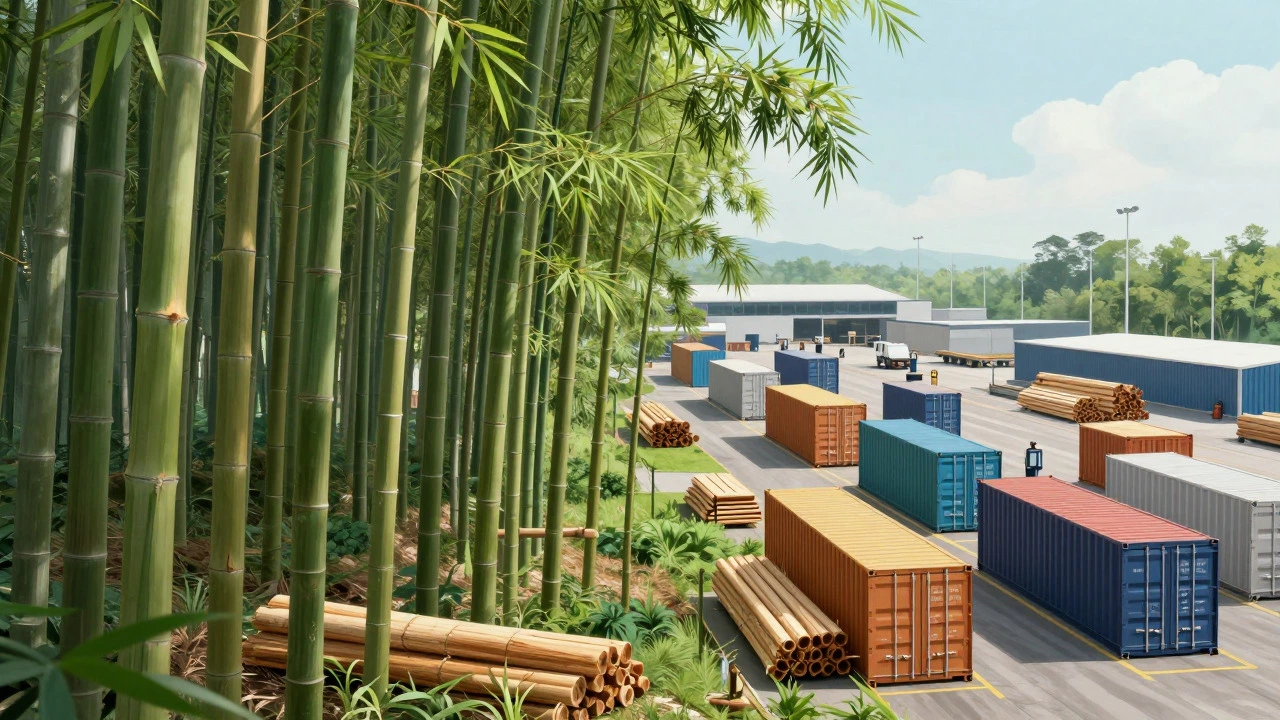
Localizing also means sourcing raw materials closer to the source. India is rich in natural resources used in furniture making, such as teak, sheesham, and bamboo. Sourcing these locally cuts down on intermediate handling and waste. Moreover, working with local suppliers fosters stronger relationships and allows for more flexible negotiations compared to distant, transactional partnerships.

Consumer Behavior and Market Potential
Indian consumers are changing how they buy furniture. The shift from traditional, heavy wooden pieces to modern, modular, and space-saving solutions aligns perfectly with IKEA’s product philosophy. Younger urban Indians, particularly in cities like Bangalore, Delhi, and Hyderabad, are looking for stylish yet affordable options that fit smaller apartment spaces. IKEA’s flat-pack model solves the storage and transport pain points that many Indian buyers face.
Furthermore, the concept of "home" is evolving. With more people living independently or in nuclear families, the demand for individualized, customizable living spaces is skyrocketing. IKEA doesn’t just sell chairs; it sells a lifestyle. In India, this lifestyle appeal is gaining traction among the aspirational middle class who want European design aesthetics at accessible price points.
Competitive Landscape and Strategic Fit
The Indian furniture market is fragmented, with thousands of small local players and a few large organized brands. There isn’t a dominant player that matches IKEA’s scale and brand recognition. This creates a vacuum that IKEA can fill by offering standardized quality and transparent pricing. Local competitors often struggle with inconsistent quality and limited design innovation. IKEA brings a level of consistency and brand trust that resonates with cautious buyers.
| Factor | China | Vietnam | India |
|---|---|---|---|
| Labor Cost | Moderate | Low | Very Low |
| Logistics to Europe | High | Moderate | Moderate |
| Domestic Market Size | Huge | Small | Massive & Growing |
| Raw Material Availability | Limited (Imports) | Moderate | Abundant (Wood/Bamboo) |
| Regulatory Environment | Complex | Simplifying | Supportive (Incentives) |
Challenges and Mitigation Strategies
It’s not all smooth sailing. Infrastructure gaps, such as road connectivity and warehousing capacity, still pose challenges. However, IKEA has experience navigating complex emerging markets. Their strategy involves building deep relationships with local partners and investing in last-mile delivery networks. They also focus on training local workforce in lean manufacturing techniques to ensure productivity matches global standards.
Cultural adaptation is another key area. Product designs must resonate with Indian tastes and living conditions. For instance, modular kitchens and compact storage solutions are seeing higher adoption rates than large, Western-style dining sets. By tweaking their product mix for the local market, IKEA ensures high turnover rates and reduced inventory holding costs.
Future Outlook: Beyond Furniture
India’s attractiveness to IKEA extends beyond just selling sofas and tables. It’s about establishing a comprehensive ecosystem. As e-commerce grows in India, IKEA is integrating online sales with offline stores, creating a seamless omnichannel experience. The data gathered from this hybrid model helps them refine their offerings further. In the long run, India could become a hub for sustainable furniture production, leveraging local bamboo and recycled materials to meet global ESG (Environmental, Social, and Governance) goals.
Why is India considered a strategic location for IKEA?
India offers a combination of low labor costs, a massive growing domestic market, abundant raw materials, and supportive government policies. This mix allows IKEA to reduce production costs while tapping into a new, large consumer base.
How does local manufacturing benefit IKEA’s pricing?
By manufacturing locally, IKEA saves on international shipping fees and import duties. These savings are passed on to consumers in the form of lower retail prices, making their products more competitive in the price-sensitive Indian market.
What role does the Make in India initiative play?
The initiative provides tax incentives and regulatory ease for foreign companies setting up manufacturing units in India. This reduces operational risks and encourages long-term investment by ensuring a stable business environment.
Does IKEA adapt its products for the Indian market?
Yes, IKEA adjusts its product mix to suit Indian preferences, focusing on space-saving, modular, and durable designs that fit smaller urban apartments and reflect local aesthetic trends.
What are the main challenges IKEA faces in India?
Key challenges include infrastructure limitations, the need for workforce training, and adapting to local cultural nuances. However, IKEA mitigates these through local partnerships and targeted product development.