
Small Scale Manufacturing Profitability Calculator
Stop guessing your prices. Enter your production data below to reveal your true cost per unit and identify if you are pricing based on hope or reality.
Profit Analysis
$0.00 Profit / Unit
Fill out the form on the left
to analyze your manufacturing economics.
You spent months perfecting your prototype. You bought the machinery, hired a few skilled workers, and started producing. But six months later, you are staring at a pile of unsold inventory and a bank account that is bleeding red. It happens more often than you think. Roughly 20% of small businesses fail in their first year, and for small scale manufacturing, the risk is even higher because of the heavy upfront capital required for equipment and raw materials.
It is not usually one big disaster that kills these shops. It is a slow accumulation of small mistakes-pricing errors, ignored maintenance schedules, or betting on a product nobody wants. If you run a workshop making anything from custom furniture to electronic components, understanding exactly where the leaks are can save your business before it drowns.
Cash Flow Is Not Profit
This is the number one killer of small manufacturers. You might have sold $50,000 worth of goods last month. That looks great on paper. But if your customers pay net-60 terms (meaning they pay you 60 days after delivery) and you had to pay your staff and suppliers today, you are broke. This gap is called cash flow mismatch. Many owners confuse profit with cash in hand. They see a sales invoice and think the money is there. It isn't.
In manufacturing, you buy raw materials before you sell the finished product. You pay for electricity, labor, and machine wear while the product sits in inventory. If you don't have enough working capital to cover this cycle, you stop production. And when you stop production, you lose momentum. Suppliers get nervous. Customers go elsewhere. To fix this, you need strict payment terms. Try to offer discounts for early payments. Or, be honest about your lead times so you aren't forced to rush jobs without getting paid first.
Pricing Based on Hopes, Not Costs
A lot of new entrepreneurs look at what competitors charge and set their price slightly lower. "I'll just make it cheaper," they say. This is dangerous. If you don't know your exact cost per unit, you are guessing. In small scale manufacturing, overheads eat up margins fast. You have rent, insurance, machine depreciation, and administrative time. If you forget to include the time you spend fixing a jammed conveyor belt in your hourly rate, you are underpricing yourself.
| Cost Category | Typical Mistake | Correct Approach |
|---|---|---|
| Machine Depreciation | Ignoring wear and tear until the machine breaks. | Calculate monthly cost based on lifespan and usage hours. |
| Labor Time | Only counting direct assembly time. | Include setup, cleanup, quality checks, and admin. |
| Waste/Scrap | Assuming zero defects. | Add a 5-10% buffer for material waste and rework. |
Use activity-based costing. Track every minute of labor and every gram of material. If your competitor sells a widget for $10 and you calculate your true cost at $9.50, you only have a 5% margin. One bad batch or one delayed shipment wipes out your profit. Aim for healthy margins by targeting niche markets where customization adds value, rather than competing solely on price against mass producers.
The Trap of Over-Specialization
Small manufacturers often fall into the trap of building machines for one specific product. Let's say you invest heavily in a mold for a specific type of plastic casing. It works great. But then the client changes the design, or the trend shifts, and suddenly your expensive mold is useless. You are stuck with idle assets that still require maintenance and space.
Flexibility is your advantage over large factories. Big plants struggle to change lines quickly. You can. Don't lock yourself into rigid, single-purpose equipment unless you have guaranteed long-term contracts. Look for modular machines or tools that can handle slight variations in size or shape. If you are doing CNC machining, for example, ensure your software and fixtures allow for quick changeovers. If you specialize too narrowly, one lost client can take down your entire revenue stream.
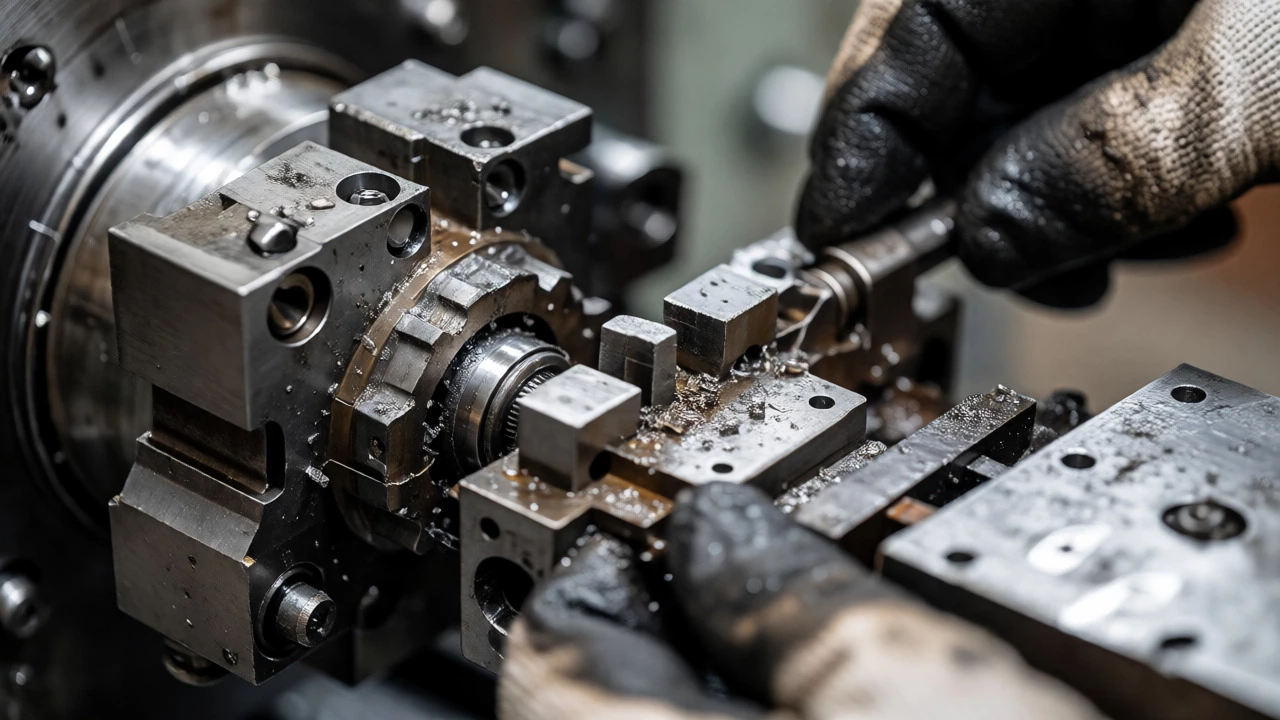
Quality Control as an Afterthought
In the early days, everyone focuses on output volume. "We need to ship 1,000 units by Friday." Quality control becomes a checkbox at the end. But in manufacturing, defects are expensive. It costs ten times more to fix a defect after shipping than it does during production. Returns destroy trust. For small businesses, reputation is everything. One angry review saying your products break easily can scare away future buyers.
Implement simple checks at critical stages. Don't wait for the final inspection. Check dimensions after cutting. Check finish after painting. Catching errors early saves material and labor. Also, document your processes. If your best worker leaves, do you lose the knowledge of how to calibrate the press? Standard Operating Procedures (SOPs) keep quality consistent regardless of who is operating the machine.
Ignoring Market Validation
Many founders build a product because they love engineering it, not because the market desperately needs it. You might create the most durable, beautifully machined bracket in the world. But if no one needs a bracket that lasts 50 years when they only need one for 5, you've solved a problem nobody has. This is called "product-market fit" failure.
Talk to potential customers before you buy the second machine. Ask them what frustrates them about current options. Are they paying too much? Are they waiting too long for delivery? Are the current products poorly made? Your solution must address a specific pain point. If you are entering a crowded market like textile manufacturing, differentiate clearly. Maybe you use organic cotton when others use synthetic. Maybe you offer faster turnaround for small batches. Without a clear reason for customers to choose you over Amazon or a local giant, you will struggle to gain traction.

Underestimating Maintenance and Downtime
Machines break. It’s not a question of if, but when. New owners often skip preventive maintenance to save money or time. They run the lathe until it screams, then panic when it stops. Unplanned downtime halts production completely. While your machine is fixed, your staff stands around getting paid, and your orders pile up.
Create a maintenance schedule and stick to it. Keep spare parts for common failures on hand. Order belts, filters, and bearings before they wear out. This seems obvious, but supply chains can be slow. If you rely on imported parts, a two-week delay in shipping can mean a month of lost production. Factor this risk into your pricing and client expectations. Being transparent about potential delays builds trust better than promising unrealistic timelines.
Scaling Too Fast, Too Soon
You land a big contract. Great! Now you need to hire five people and lease a bigger warehouse. But you haven't streamlined your processes yet. The chaos of scaling amplifies existing problems. Communication breaks down. Inventory gets mixed up. Training suffers. You grow into inefficiency.
Scale slowly. Prove you can handle current volume efficiently before adding more capacity. Use temporary staff or subcontractors for spikes instead of permanent hires if possible. Automate repetitive tasks only when they become bottlenecks. Growing pains are real, but growing pains caused by lack of preparation can be fatal. Focus on operational stability first, then growth.
What is the most common reason small manufacturers run out of cash?
The most common reason is the timing mismatch between paying for inputs and receiving payment for outputs. Manufacturers pay for raw materials, labor, and utilities immediately, but B2B clients often pay on net-30, net-60, or even net-90 terms. This creates a working capital gap that many small businesses underestimate.
How should I price my manufactured goods correctly?
Do not just copy competitors' prices. Calculate your full landed cost, which includes raw materials, direct labor, machine depreciation, energy, waste/scrap allowance, and a portion of overheads like rent and admin. Then add a profit margin that accounts for risk and reinvestment needs. Activity-based costing helps identify hidden costs.
Is it better to specialize or stay flexible in small scale manufacturing?
Flexibility is generally safer for small businesses. Specializing in one product makes you vulnerable to market shifts or losing a single key client. Flexible equipment and skills allow you to pivot to different products or custom orders, leveraging your ability to handle smaller batches than large industrial competitors.
How does poor quality control affect small businesses?
Poor quality leads to returns, refunds, and reputational damage. For small manufacturers, customer retention is crucial because acquiring new customers is expensive. Defects discovered late in production or after shipping cost significantly more to fix than those caught early, eroding thin profit margins.
Should I buy new or used machinery?
Used machinery lowers upfront costs but may increase maintenance expenses and downtime risks. New machinery offers reliability and warranties but requires higher capital. For startups, refurbished equipment with good support networks is often a balanced choice, provided you budget for immediate maintenance and spare parts.