Circular Economy Compliance Estimator
Evaluate your current production model against global standards like those in Japan, Germany, and South Korea. This tool estimates your risk level regarding upcoming bans and Extended Producer Responsibility (EPR) fees.
Your Readiness Level
Here is the hard truth: no country on Earth has achieved true zero waste. If you are looking for a place where garbage simply vanishes into thin air, you will be disappointed. However, several nations have come dangerously close to eliminating landfill dependency by forcing industries-especially plastic manufacturing companies-to rethink how they produce and dispose of materials.
For manufacturers, this shift isn't just about being "green." It is a survival strategy. As governments in Europe, Asia, and Oceania tighten regulations, the old model of "make, use, toss" is dead. The new reality is a circular economy where waste is designed out of the system entirely. Let’s look at who is leading the charge and what it means for your bottom line.
The Leaders in Waste Reduction
When people ask which country has zero waste, they usually mean which country sends the least amount of trash to landfills. In this race, Japan, Germany, and South Korea stand out as the top performers. Their success isn’t magic; it is the result of strict laws, high taxes on disposal, and massive investment in sorting technology.
| Country | Landfill Rate | Recycling Rate | Key Policy Driver |
|---|---|---|---|
| Japan | < 1% | ~80% | Municipal Sorting Laws |
| Germany | ~2% | ~67% | Dual System Deutschland (Green Dot) |
| South Korea | < 1% | ~62% | Volumetric Bag System |
| Switzerland | ~4% | ~50% | Pay-As-You-Throw |
Japan leads with a landfill rate of less than 1%. This is largely due to its incineration infrastructure, which burns waste at high temperatures to generate energy, leaving only minimal ash. For plastic manufacturers, this means that if your product ends up in Japan, it must either be recyclable or biodegradable, or face rejection by municipal sorters.
Germany operates the "Green Dot" system, a producer responsibility scheme. Companies pay a fee based on the packaging they put on the market. This money funds the collection and sorting of waste. If you manufacture plastic packaging in Germany, you are financially incentivized to reduce material weight and increase recyclability.
Why No Country Is Truly Zero Waste
The concept of "zero waste" implies that every single atom of material is reused or recycled. In practice, this is impossible with current technology. Even in the best-performing countries, some waste remains. This includes contaminated plastics, mixed-material composites, and hazardous industrial byproducts.
Consider the issue of microplastics. Even if a bottle is recycled, tiny particles may escape during processing. These end up in soil and water systems. So, while a country might achieve near-zero landfill use, environmental leakage still occurs. For plastic manufacturers, this creates a reputational risk. Consumers are increasingly aware that "recyclable" doesn't always mean "harmless."
Another barrier is economic viability. Recycling certain types of plastic, like multi-layer films or black plastics, is often more expensive than producing virgin resin. Without government subsidies or mandatory recycled content targets, manufacturers have little financial reason to switch. This is why policy matters more than consumer goodwill.
The Role of Plastic Manufacturing in Circular Systems
If countries want to reach zero waste, plastic manufacturers must change their design philosophy. Traditional linear models create products that are hard to separate and recycle. Modern circular design requires thinking about the end-of-life phase from day one.
Here are three key shifts happening in the industry:
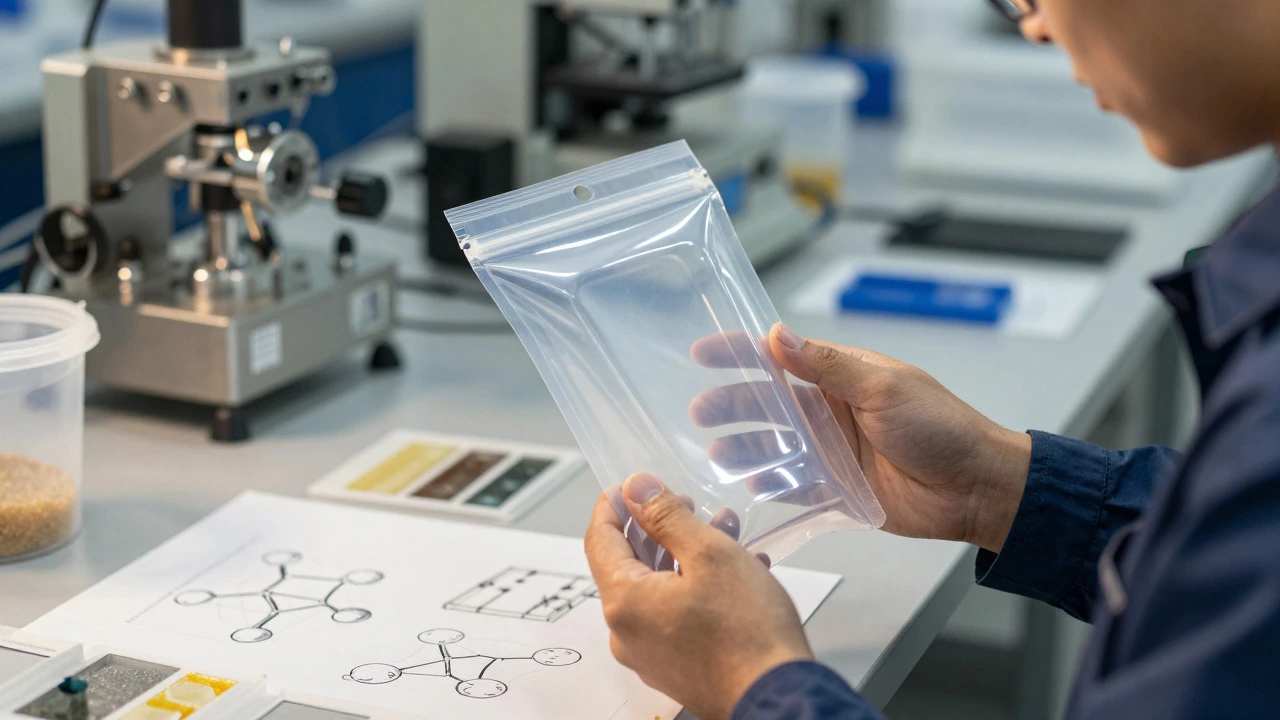
- Monomaterials: Instead of using layers of different plastics (like PET and aluminum), manufacturers are switching to single-material structures. A bottle made entirely of polyethylene terephthalate (PET) is much easier to recycle than one with mixed layers.
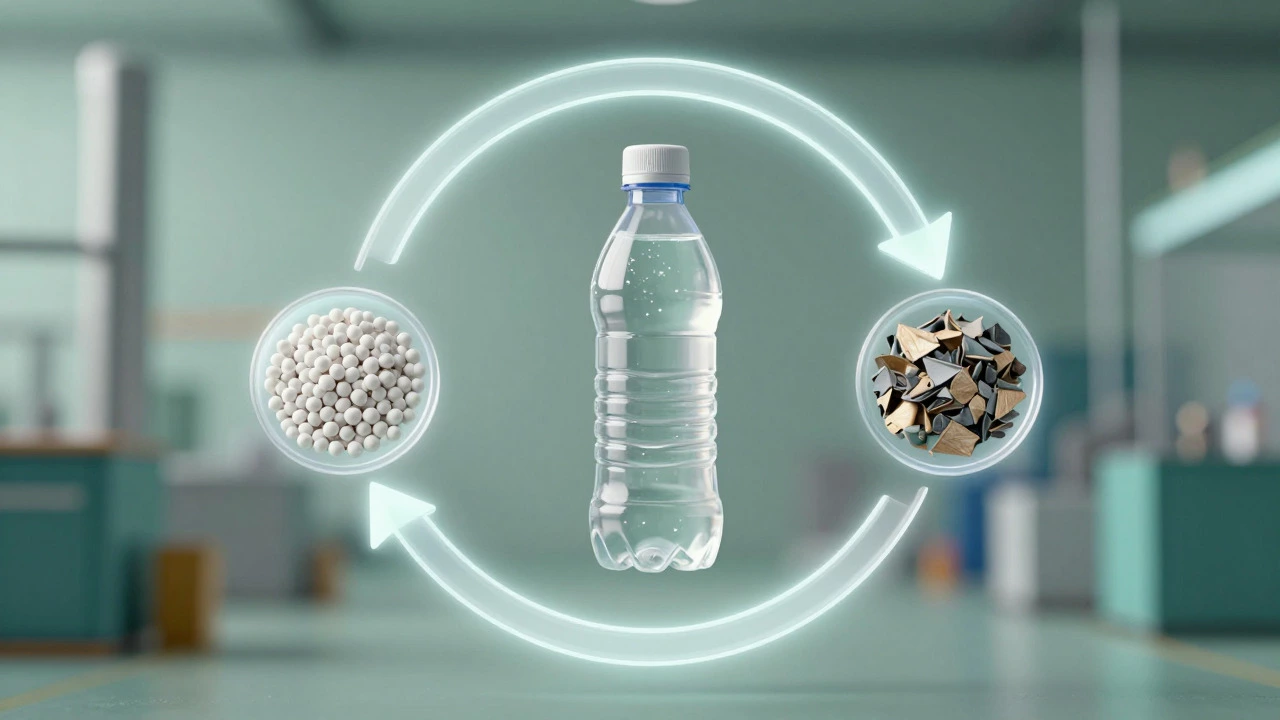
- Chemical Recycling: Mechanical recycling degrades plastic quality over time. Chemical recycling breaks polymers down into their molecular building blocks, allowing for infinite reuse without quality loss. Companies like Sabic and BASF are investing heavily in this technology.
- Extended Producer Responsibility (EPR): Governments are making manufacturers pay for the entire lifecycle of their products. This includes collection, sorting, and recycling costs. EPR schemes are now active in over 70 countries, including the EU, Canada, and parts of Asia.
For small-scale manufacturers, this can feel overwhelming. But it also opens up new business opportunities. Companies that specialize in designing recyclable packaging or providing take-back services are seeing rapid growth.
Policy Trends Shaping the Future
In 2025 and 2026, regulatory pressure is intensifying globally. The European Union’s Single-Use Plastics Directive has banned many disposable items and set strict recycling targets. By 2030, all plastic packaging in the EU must be reusable or recyclable.
In New Zealand, where I live, the government has introduced a national kerbside recycling standard. This aims to ensure that common plastics collected from households can actually be processed locally. Before this, many councils accepted plastic bags and films, but local facilities couldn’t handle them, leading to contamination. Now, manufacturers must align their packaging with these standardized streams.
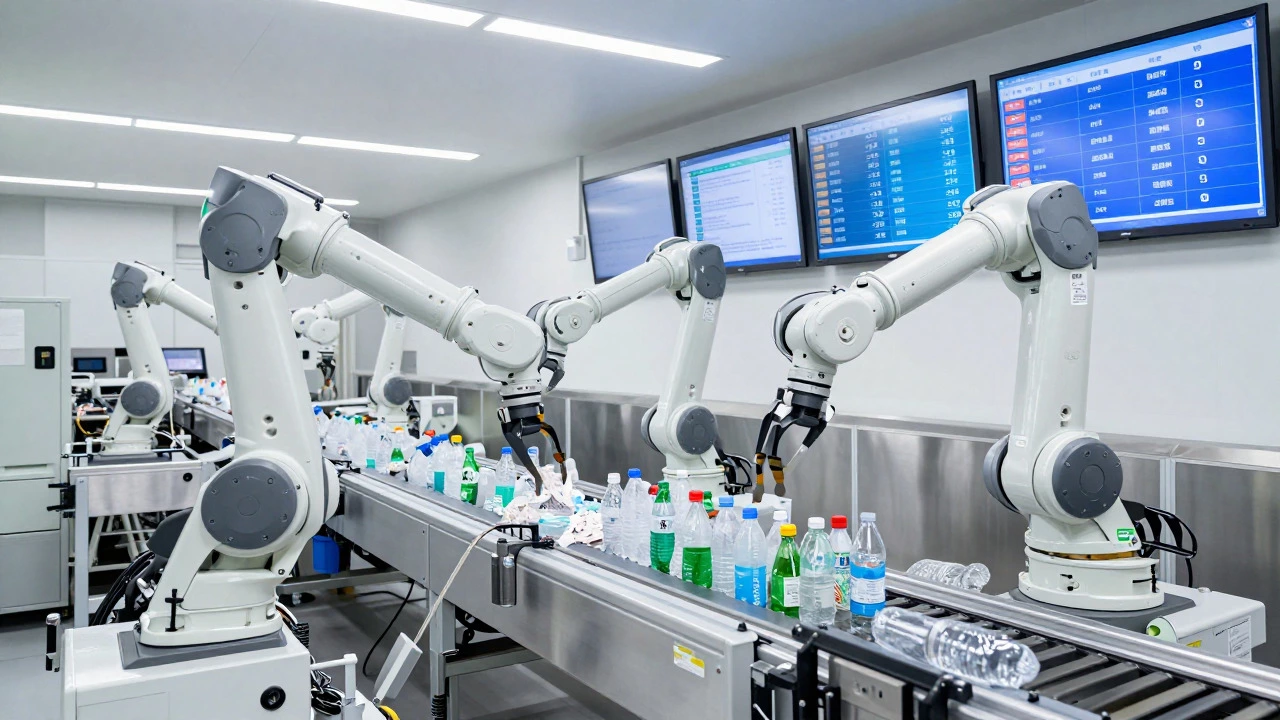
China’s National Sword policy, which banned most plastic waste imports in 2018, forced Western countries to develop their own recycling capacity. This shock to the system accelerated innovation in domestic processing. Today, countries like Australia and the UK are building advanced sorting facilities to handle complex waste streams.
Practical Steps for Manufacturers
If you run a plastic manufacturing business, here is how you can prepare for a zero-waste world:
- Audit Your Materials: Identify which of your products contain hard-to-recycle materials. Replace them with mono-materials or certified compostable alternatives where possible.
- Engage with Recyclers: Don’t assume your product is recyclable. Talk to local recycling facilities. Ask them what they accept and what causes problems in their lines. Their feedback is invaluable.
- Design for Disassembly: Make it easy for consumers and sorters to separate components. Avoid glue, labels, and adhesives that contaminate the recycling stream.
- Invest in R&D: Look into chemical recycling partnerships or bio-based resins. Early adopters will gain a competitive advantage as regulations tighten.
- Educate Your Customers: Clear labeling helps consumers dispose of products correctly. Use standardized icons like the How2Recycle label to guide proper disposal.
These steps may increase upfront costs, but they reduce long-term risks. As EPR fees rise and landfill taxes increase, efficient waste management becomes a cost-saving measure, not just an environmental gesture.
Challenges and Pitfalls
Despite progress, significant challenges remain. One major issue is greenwashing. Some companies claim their products are "eco-friendly" without providing evidence. This misleads consumers and undermines trust. Regulatory bodies are cracking down on vague claims, so transparency is essential.
Another challenge is infrastructure gaps. While Europe and East Asia have advanced recycling networks, many developing nations lack basic waste collection systems. For global manufacturers, this means adapting strategies to local contexts. What works in Germany may fail in India or Brazil.
Finally, there is the issue of consumer behavior. Even with perfect recycling systems, if people don’t sort their waste correctly, contamination ruins batches. Education campaigns and intuitive design are critical to closing this loop.
Conclusion: The Path Forward
No country has achieved zero waste yet, but the trajectory is clear. Nations like Japan, Germany, and South Korea show that high recycling rates and low landfill use are possible with strong policy and industry cooperation. For plastic manufacturers, the message is simple: adapt or face obsolescence.
The future belongs to companies that design for circularity, engage with regulators, and prioritize sustainability over short-term convenience. By embracing these changes, you not only comply with emerging laws but also build brand loyalty among environmentally conscious consumers.
Which country has the highest recycling rate?
Japan currently holds the highest recycling rate globally, with approximately 80% of its waste being recycled or incinerated for energy recovery. Its landfill rate is less than 1%, thanks to strict municipal sorting laws and advanced incineration technology.
What does Extended Producer Responsibility (EPR) mean for manufacturers?
EPR makes manufacturers financially responsible for the entire lifecycle of their products, including collection, sorting, and recycling. This incentivizes companies to design products that are easier to recycle and reduces the burden on public waste management systems.
Is chemical recycling better than mechanical recycling?
Chemical recycling breaks plastics down to their molecular level, allowing for infinite reuse without quality degradation. Mechanical recycling physically shreds and melts plastic, which can degrade quality over time. Chemical recycling is ideal for complex or contaminated plastics but is currently more expensive.
How can plastic manufacturers reduce waste?
Manufacturers can reduce waste by using monomaterials, designing for disassembly, engaging with local recyclers, and adopting chemical recycling technologies. Clear labeling and consumer education also help ensure proper disposal.
Why hasn't any country achieved true zero waste?
True zero waste is currently impossible due to technological limitations, economic barriers, and environmental leakage like microplastics. Even the best-performing countries rely on incineration and have small amounts of residual waste that cannot be recycled.