Batch Processing in Manufacturing: How Small Factories Use It to Stay Competitive
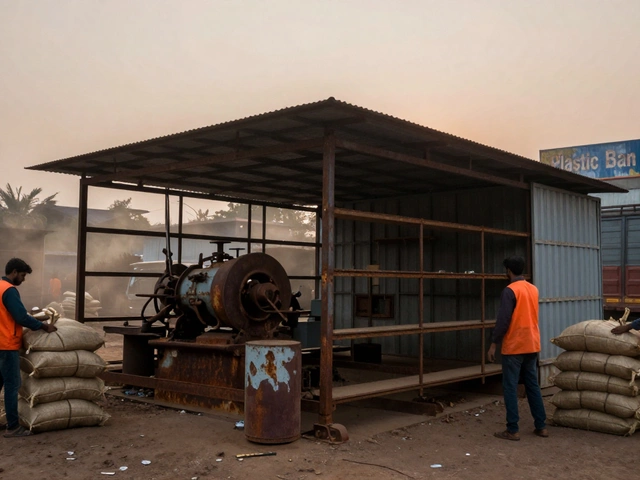
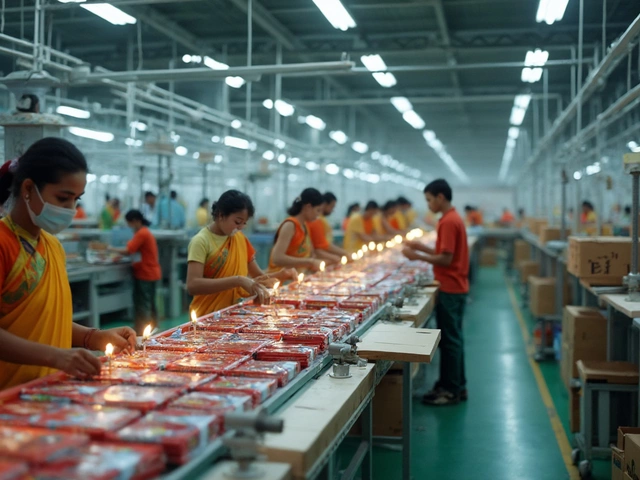
When you think of manufacturing, you might picture robots on a never-ending line. But for most small makers in India, batch processing, a method where products are made in fixed groups or lots rather than one at a time or in endless streams. Also known as job batch manufacturing, it’s the quiet backbone of local factories that can’t afford full automation. This isn’t outdated—it’s smarter. Batch processing lets you test designs, manage materials better, and respond to orders without overproducing. It’s how a small electronics maker in Tamil Nadu builds 50 solar inverters this week and 30 medical devices next, switching tools and teams as needed.
It’s not just about flexibility. small manufacturer, a business that produces goods in limited quantities with hands-on control and direct customer ties relies on batch processing to keep costs low and quality high. Unlike mass production, where mistakes multiply fast, batch processing lets you catch errors early—before you’ve made 1,000 bad units. It also fits perfectly with manufacturing methods, the core techniques used to turn raw materials into finished goods. Also known as production techniques like machining and forming, which often need setup time between runs. You don’t run a CNC machine 24/7 for one part—you run it for a batch of ten, then clean and retool.
Government schemes in India reward this kind of efficiency. Programs that give subsidies for training or equipment upgrades often require proof you’re using structured workflows—exactly what batch processing provides. You can track each batch’s cost, time, and output. That’s how you prove you’re ready for bigger orders or loans. And if you’re pitching to a buyer, showing you work in batches means you care about control, not just speed.
Look at the posts below. You’ll find real examples: how a food processor in Gujarat uses batch processing to meet hygiene standards, how a plastic maker in Ludhiana cuts waste by running only what’s ordered, and how the 5 M's of manufacturing—Manpower, Machines, Materials, Methods, Measurement—align perfectly with batch workflows. You’ll see how batch processing isn’t a limitation. It’s the smart choice for anyone who wants to build something good, not just something big.