Electronics Exports: How India Is Becoming a Global Powerhouse
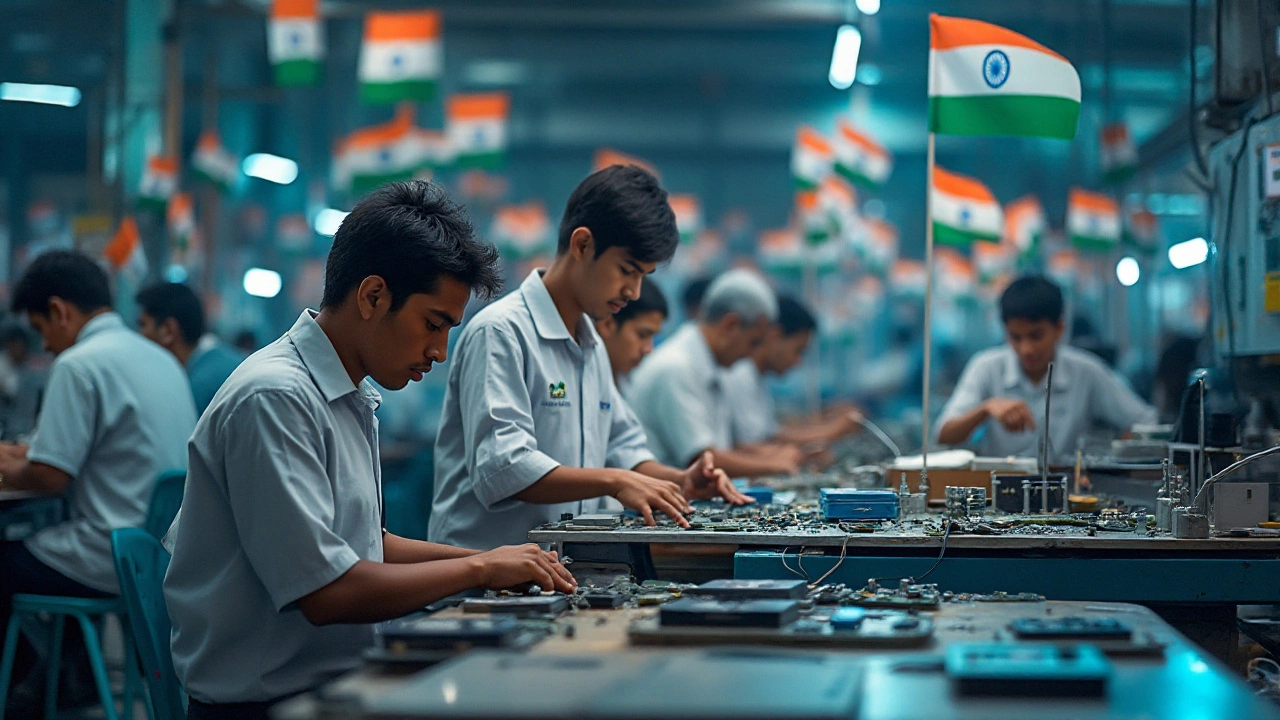
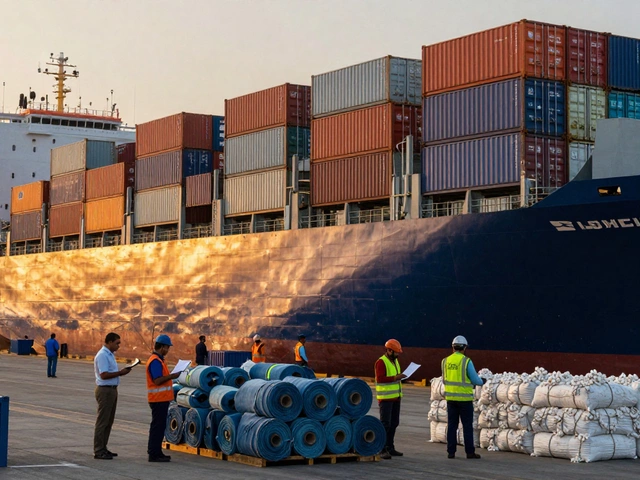
When we talk about electronics exports, the sale of manufactured electronic goods from India to other countries. Also known as Indian tech exports, it’s no longer just about assembling phones for global brands—it’s about building entire supply chains, designing components, and shipping finished products under Indian labels. In 2024, India shipped over $25 billion worth of electronics abroad, up from just $5 billion a decade ago. That’s not a slow climb. That’s a sprint.
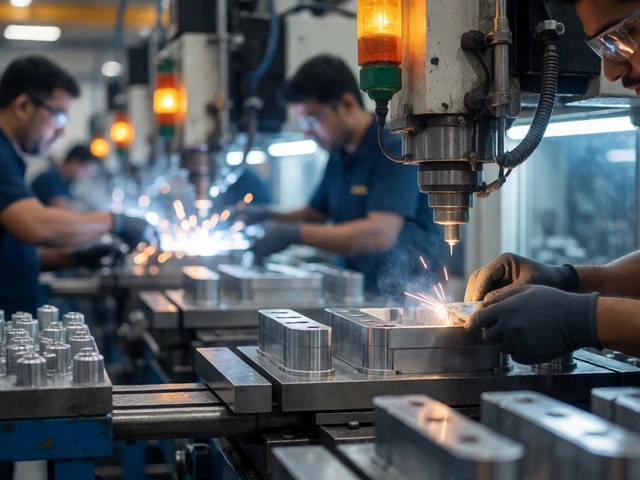
This growth isn’t random. It’s tied to Tamil Nadu, India’s top electronics exporting state, home to major factories and ports that move over $12 billion in electronics annually. It’s fueled by Samsung India export, the country’s single largest electronics exporter, which ships millions of phones and TVs every year. And it’s supported by local manufacturers who now make smartphones, solar inverters, medical devices, and EV electronics right here—no longer just importing parts and calling it production.
What’s driving this? Lower labor costs, government incentives under Make in India, and a growing pool of engineers who know how to build, not just fix. It’s not just about volume anymore—it’s about value. Companies are moving from contract assembly to designing their own products, and that’s where the real profit lies. Investors are watching. Buyers abroad are shifting from China to India. And small manufacturers? They’re stepping up, too, filling niche gaps in medical electronics, smart home gear, and industrial controls.
But here’s the thing: not every company is winning. Some still struggle with inconsistent power, slow customs, or lack of access to high-quality components. The winners? They’ve figured out how to work with local suppliers, use government training schemes, and keep their unit economics tight. They don’t just export electronics—they export reliability.
Below, you’ll find real stories from the front lines: which state leads the charge, who the top exporters are, what’s actually being made in India, and how startups are breaking into global markets without deep pockets. No theory. No fluff. Just what’s happening now—and who’s making it happen.