Food Line Automation: How Indian Manufacturers Are Streamlining Food Production
When you think about food line automation, the use of machinery and software to handle tasks like sorting, packaging, and transporting food products without manual labor. Also known as automated food processing, it's not just about robots—it's about making food safer, faster, and cheaper to produce. In India, where small food processors coexist with large plants, automation is no longer a luxury. It’s becoming the difference between staying open and shutting down.
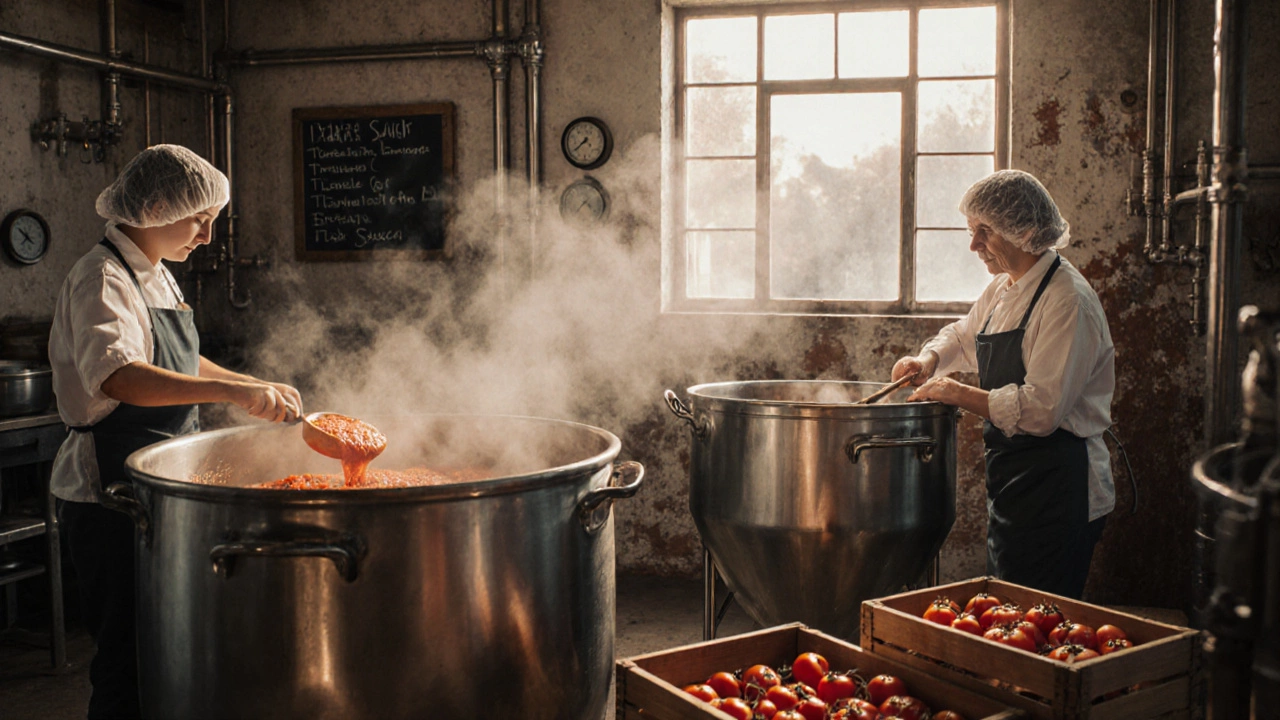
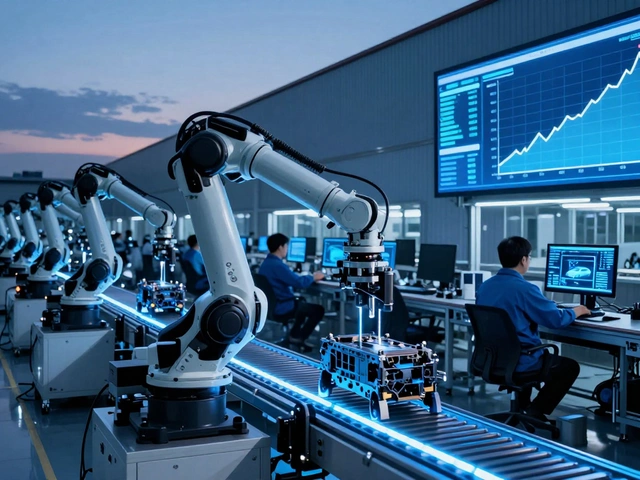
Companies using food processing automation, systems that control mixing, cooking, filling, and sealing in food production are seeing 30–50% fewer errors in packaging and 40% less labor cost per unit. Think of a snack factory that used to pack 500 bags an hour by hand—now it does 2,500 with one operator watching screens. Or a dairy plant that automates pasteurization and bottling to meet FSSAI standards without human touch. These aren’t futuristic dreams. They’re happening in Tamil Nadu, Punjab, and Maharashtra right now.
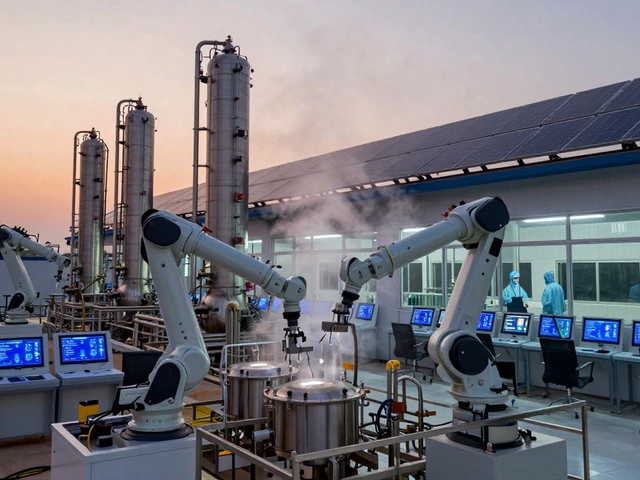
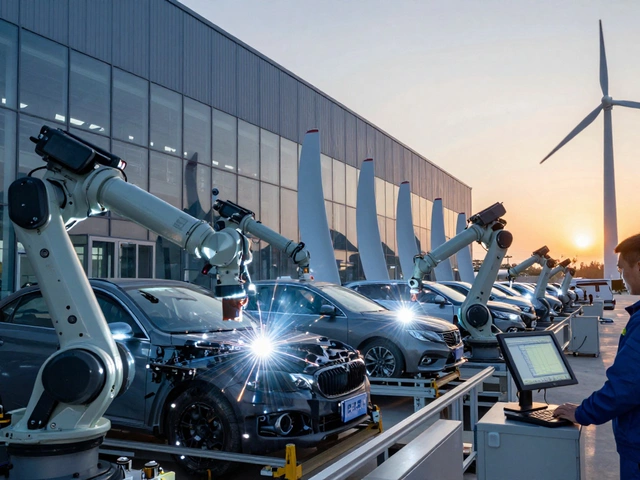
manufacturing automation, the broader use of technology to run production lines with minimal human input doesn’t just apply to electronics or cars. Food is the most personal product we make—and that’s why automation here matters so much. Cleanrooms, vision systems that spot spoiled fruit, and AI-driven quality checks are now part of the baseline for exporters. Even small players are leasing modular automation units instead of buying full lines. It’s like upgrading from a manual grinder to a smart blender—same job, way better results.
What’s driving this shift? Labor shortages. Rising wages. Export demands. And consumers who expect perfectly sealed, shelf-stable, and traceable food. The government’s Production Linked Incentive scheme for food processing is helping too—offering cash back to factories that install automated lines. You don’t need to be a giant to benefit. A small pickle maker in Andhra Pradesh can now install a semi-auto filling machine for under ₹5 lakh and double output overnight.
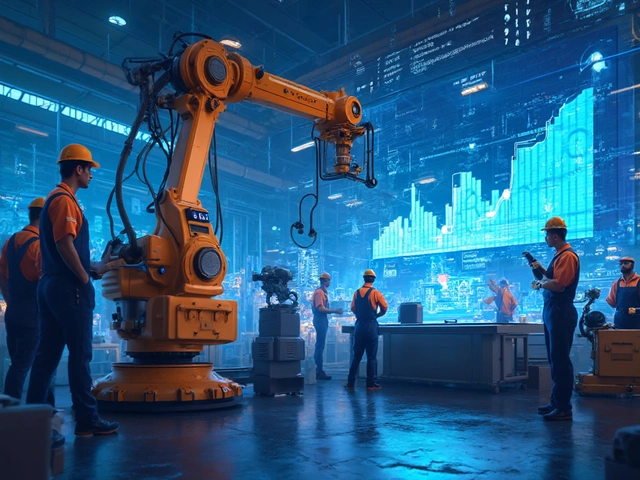
But automation isn’t just machines. It’s data. It’s sensors tracking temperature in real time. It’s software logging every batch for recalls. It’s connecting your production line to your inventory system so you never run out of jars or labels. This is what food industry technology, the tools and systems used to improve food manufacturing efficiency, safety, and scale really means today.
Below, you’ll find real stories from Indian manufacturers who’ve made the leap—from those who barely knew how to turn on a conveyor belt to ones now running fully automated lines that ship to Europe and the US. No theory. No hype. Just what worked, what failed, and how they got there.