Food Science: What It Is, How It Powers Manufacturing, and Why It Matters
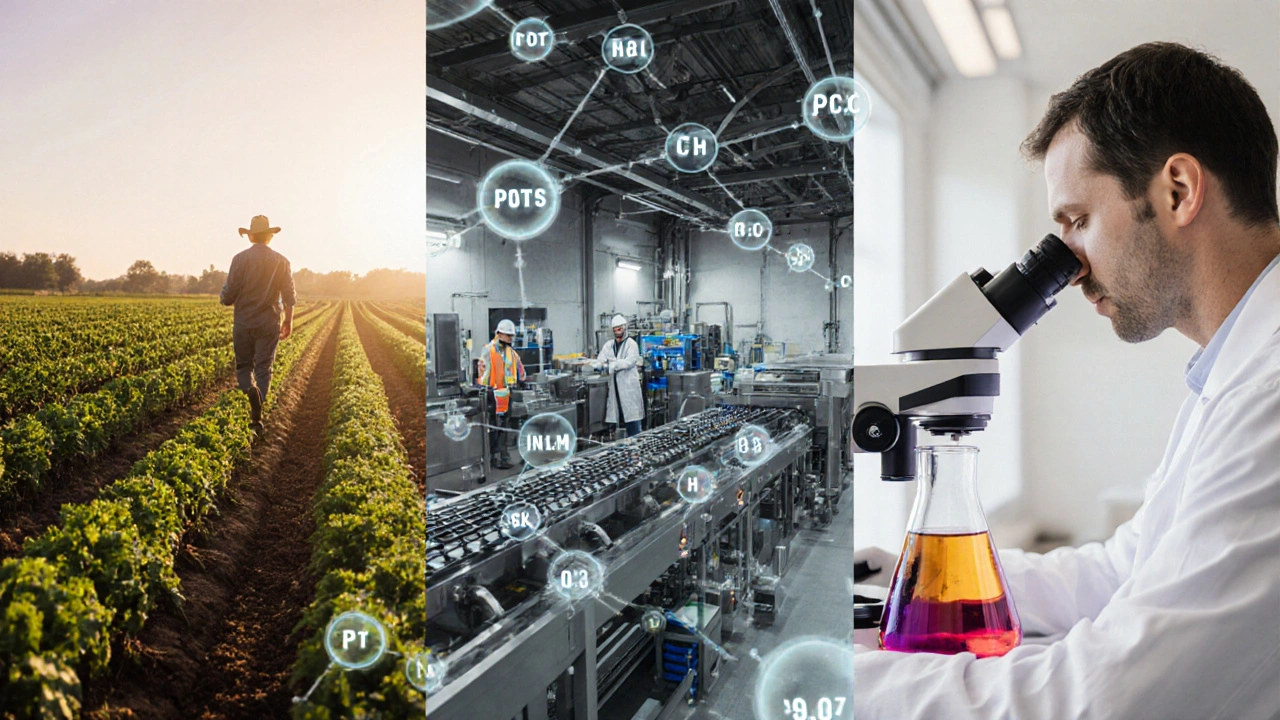
When you open a packet of instant noodles or grab a shelf-stable curry, you're not just eating food—you're consuming the result of food science, the application of biology, chemistry, and engineering to understand and improve how food is produced, preserved, and packaged. Also known as food technology, it’s what turns raw ingredients into safe, consistent, and profitable products that last months, not days. This isn’t guesswork. It’s precision. It’s controlling moisture levels to stop mold, adjusting pH to kill bacteria, or designing packaging that keeps flavors fresh for a year. And in India, where food processing is one of the fastest-growing manufacturing sectors, food science is the backbone of everything from roadside chai stalls to export-ready frozen meals.
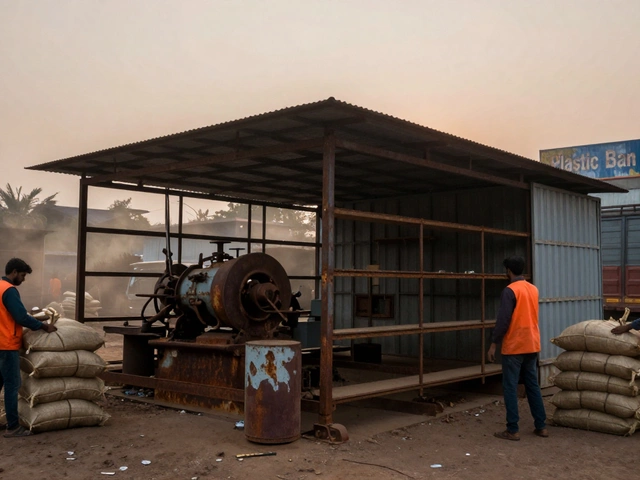
Food science doesn’t exist in a vacuum. It connects directly to food processing units, the physical systems—batch, continuous, or automated—that turn raw crops into finished goods. A small startup might use a simple batch unit to make pickles by hand, while a large plant runs a continuous line to produce 10,000 packets of instant soup per hour. Both rely on food science to ensure safety, taste, and shelf life. It also links to food manufacturing, the industrial scale of producing food for mass markets, governed by regulations, cost targets, and consumer demand. And when you ask why some food businesses make 40% margins while others barely break even, the answer lies in how well they’ve applied food science to reduce waste, extend shelf life, and meet exacting quality standards.
Food science drives profitability. It’s why you can buy frozen parathas in New York that taste like they were made in Delhi yesterday. It’s why canned tomatoes from Gujarat last 18 months without preservatives. It’s why a small business can turn surplus mangoes into profitable pulp and sell it to global brands. This isn’t theory—it’s real, daily work happening in factories across Tamil Nadu, Punjab, and Maharashtra. The posts below show you exactly how this works: which processing units deliver the highest returns, what makes a food business truly profitable, and how to build one without over-investing in equipment you don’t need. You’ll see the numbers, the methods, and the real-world examples that turn food science from a classroom topic into a cash machine.