Government Definition of Manufacturing: What It Really Means for Indian Factories
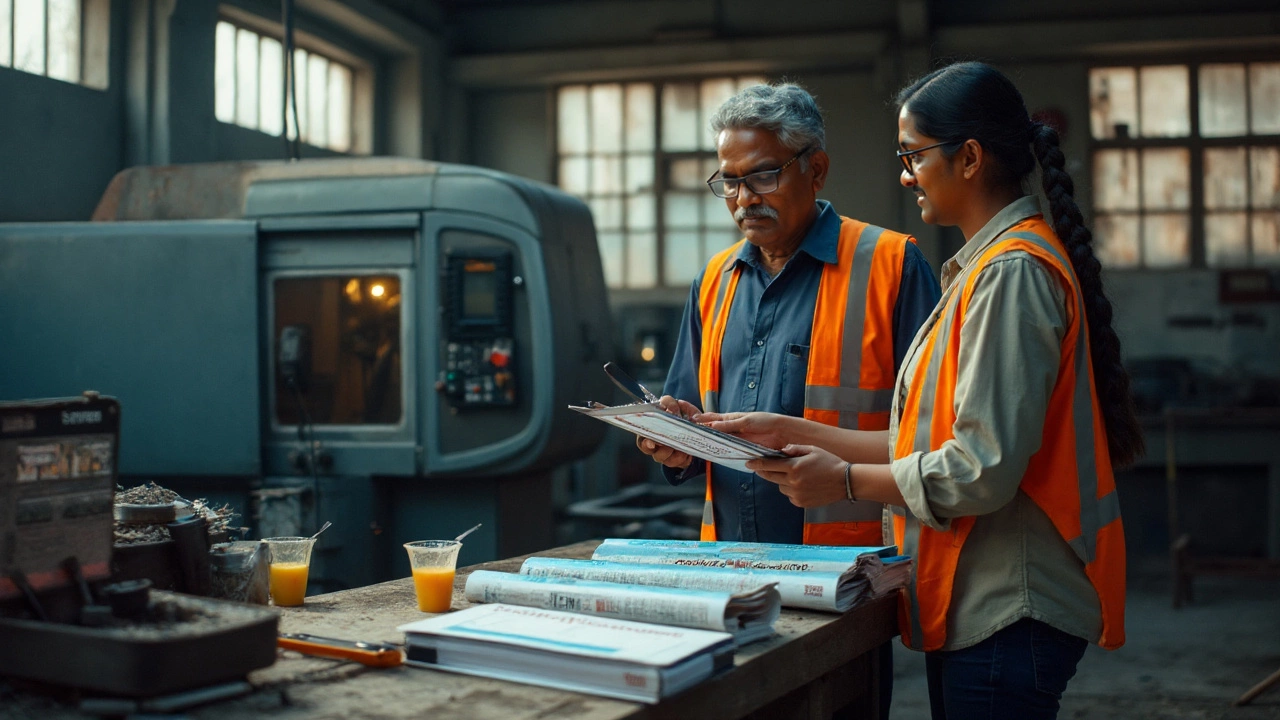
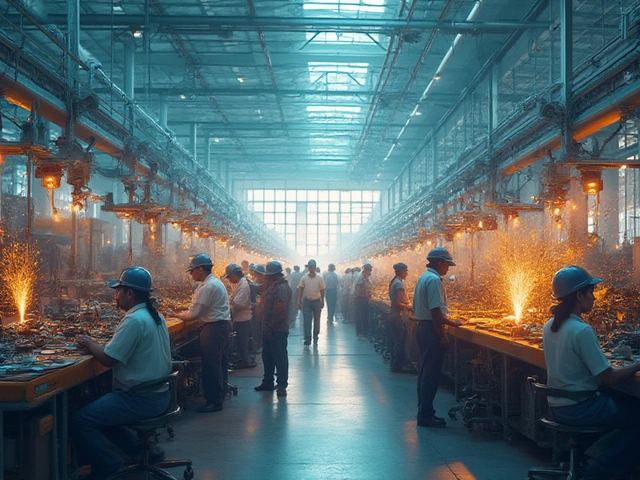
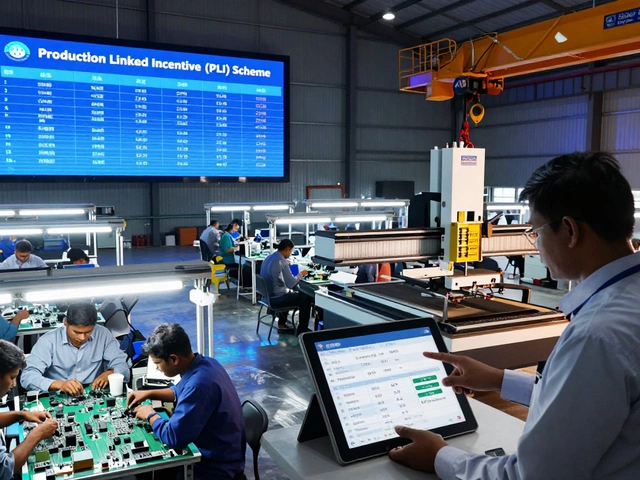
When the Indian government talks about manufacturing, the process of turning raw materials into finished goods using machinery, labor, and systematic methods. Also known as industrial production, it's not just about factories with big machines—it’s about creating value, jobs, and export potential under policies like Make in India. This isn’t a dictionary definition. It’s a legal and economic tool used to decide who gets subsidies, tax breaks, and access to special zones. If you’re running a small workshop or a startup making medical devices, electronics, or food packaging, how the government defines manufacturing directly affects your funding, compliance, and growth path.
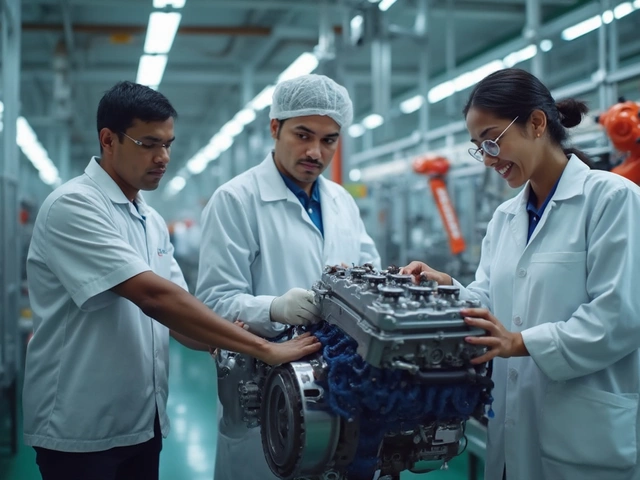
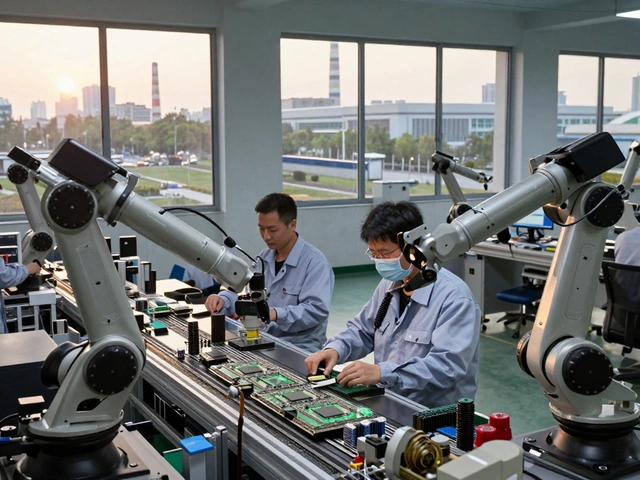
The government’s definition isn’t just about the final product. It includes the entire chain: sourcing materials, assembling components, testing quality, and even packaging. That’s why a small business making solar inverters from imported parts still counts as manufacturing—if the final assembly, testing, and branding happen in India. But if you’re just repackaging imported goods? That’s trading, not manufacturing. The 5 M's of manufacturing—Manpower, Machines, Materials, Methods, and Measurement—are the backbone of how the government evaluates whether you qualify for support. Many small factories don’t realize they already meet these criteria. They think they’re too small, but the rules are designed for them too.
It’s also why places like Tamil Nadu lead in electronics exports. The state didn’t just build factories—it built ecosystems where suppliers, skilled labor, and government incentives align with the official definition. A manufacturer in Karnataka might make the same product, but if their process doesn’t match the government’s criteria for value addition, they miss out on benefits. That’s why understanding the definition isn’t academic—it’s financial. If you’re applying for a subsidy, filing for an MSME certificate, or pitching to a bank, you’re not just selling a product. You’re proving you fit the government’s model of manufacturing.
Below, you’ll find real examples of how this definition plays out—from startups securing seed funding by proving they meet manufacturing criteria, to food processors choosing the right equipment to qualify for incentives, to textile makers fighting to stay in the game after policy shifts. These aren’t theory pieces. They’re field reports from people who’ve navigated the rules, won grants, and avoided costly mistakes. Whether you’re building your first prototype or scaling your third production line, this collection gives you the clarity you need to move forward.