Reshoring: Why Manufacturing Is Coming Back to India
When we talk about reshoring, the process of moving manufacturing operations back to a company’s home country after outsourcing them overseas. Also known as onshoring, it’s no longer just a buzzword—it’s a real shift happening right now in India. After decades of sending production to China, Vietnam, and Mexico, global brands are now looking closer to home. Why? Because supply chains broke during the pandemic, shipping costs spiked, and governments started offering real incentives to build things locally.
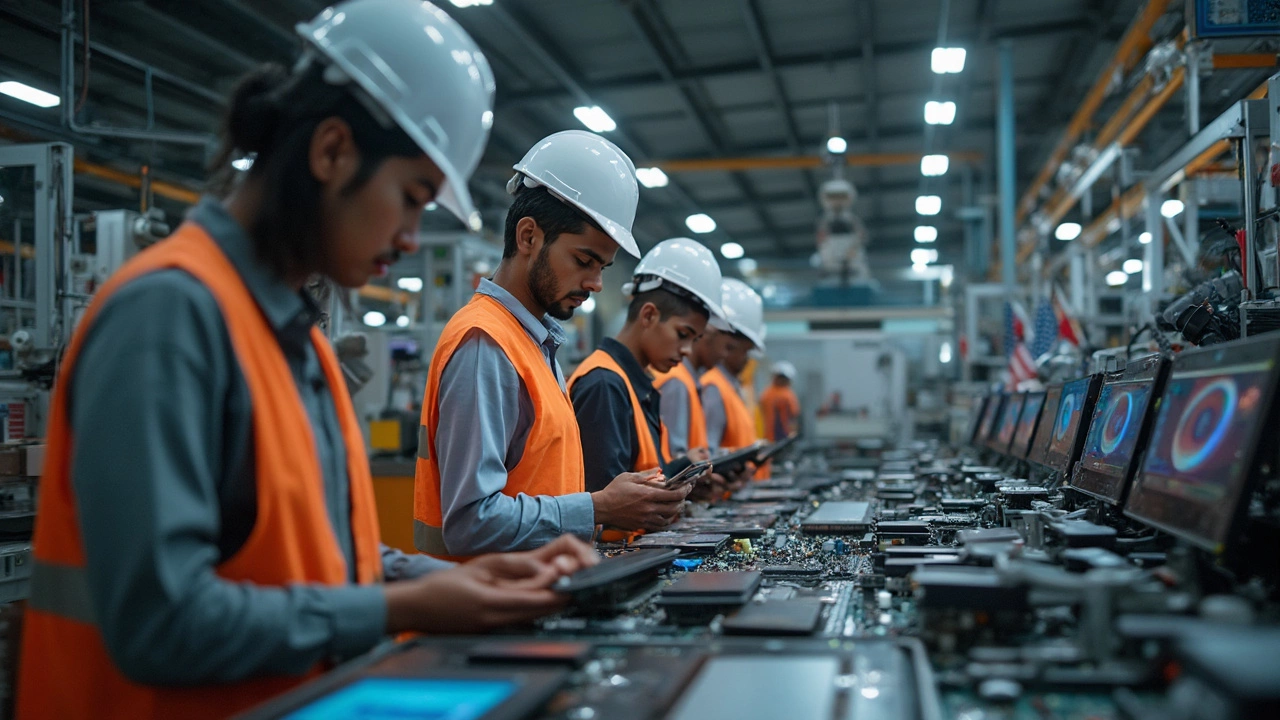
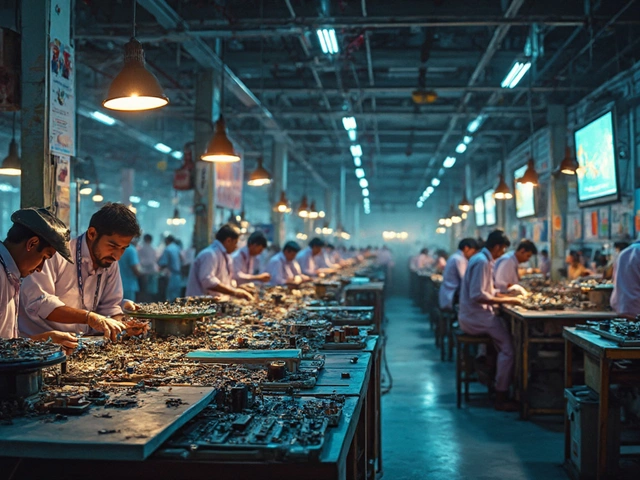
India is at the center of this change. The Made in India push isn’t just political—it’s economic. Companies like Apple, Samsung, and Xiaomi now make most of their smartphones here. Electronics, medical devices, solar inverters, and even high-end plastic parts are being assembled in Tamil Nadu, Karnataka, and Maharashtra. This isn’t assembly line work anymore. It’s complex manufacturing with local engineering teams, quality control, and supply chains that respond in days, not weeks.
Reshoring doesn’t mean every factory is moving back. But it does mean the old rule—"make it cheap overseas, ship it everywhere"—is fading. What’s rising is a new model: local production for local demand, with export potential. Small manufacturers in Ludhiana are now making parts for global brands. Startups in Bengaluru are building battery packs for electric vehicles without waiting for imports. Even food processing units are shifting from bulk exports to regional distribution, cutting waste and improving freshness.
And it’s not just about cost. It’s about control. When you make something in India, you can visit the factory, fix a defect in a day, adjust the design quickly, and respond to customer feedback fast. No more 60-day delays because a container got stuck in Singapore. No more hidden labor violations in distant plants. This is manufacturing you can trust.
Government schemes are helping too. From tax breaks for electronics manufacturing to subsidies for automation in small factories, the support is real. The supply chain resilience goal isn’t just about security—it’s about competitiveness. India’s ports, skilled labor, and growing tech ecosystem are finally aligning with policy.
What you’ll find in the posts below isn’t theory. It’s real stories: how a startup in Chennai got funding to make medical devices locally, why Tamil Nadu leads in electronics exports, how small manufacturers use the 5 M’s to compete with giants, and what food processing units are thriving because they stopped trying to export everything. These aren’t future dreams. They’re happening now. And if you’re thinking about starting, scaling, or investing in manufacturing—this is the moment to pay attention.