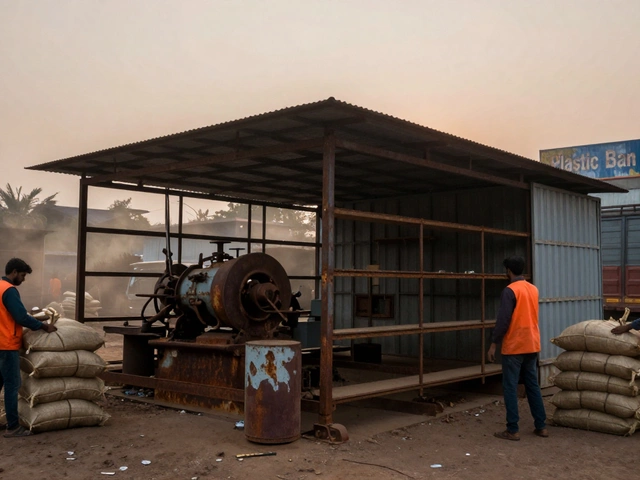
Startup Manufacturing in India: How Small Factories Grow and Survive
When you hear startup, a new business built to scale quickly, often with limited resources and high ambition. Also known as early-stage venture, it often brings fresh ideas to old industries. most people think of tech apps or SaaS tools. But in India, the real growth story is happening in factories—small, quiet, and stubbornly practical. These aren’t Silicon Valley unicorns. They’re makers in Gujarat turning plastic into medical parts, workshops in Tamil Nadu assembling solar inverters, and family-run units in Uttar Pradesh packaging spices for export. These are manufacturing startups, new businesses focused on making physical goods, not just software, often with lean teams and local supply chains. They don’t need millions in venture cash. They need customers who will pay upfront, clear cost numbers, and a process that doesn’t break down when the power flickers.
The secret? They focus on what never goes out of style: food processing, medical devices, basic electronics, and repair parts. small manufacturer, a business that produces goods in small batches, often with hands-on control and direct customer ties, not mass automation. isn’t a step backward—it’s the new competitive edge. While big players chase volume, these makers chase reliability. They know their machine operators by name. They fix broken tools themselves. They ship directly to local distributors. And they’re the ones getting government grants, not because they’re flashy, but because they’re real. You don’t need a pitch deck to win a subsidy—you need a working prototype, a cost breakdown, and proof someone will buy it. That’s why the manufacturing funding stories that work aren’t about investors. They’re about pre-sales, local grants, and proving unit economics before you even buy your first CNC machine.
India’s manufacturing startup scene isn’t about copying China. It’s about solving India’s problems: unreliable power, fragmented supply chains, and a workforce that values dignity over overtime. The best ones use the 5 M's of manufacturing, the core pillars—Manpower, Machines, Materials, Methods, and Measurement—that every small factory must master to survive and qualify for support. They don’t chase trends. They chase margins. They track profit per unit, not just revenue. And they know that the next big export isn’t coming from a corporate HQ—it’s coming from a garage in Coimbatore that learned how to make a better LED driver.
Below, you’ll find real stories from people who built this. How they got their first check. Who owns the biggest names. What’s actually made in India. And why the most profitable businesses aren’t the ones with the fanciest tech—but the ones that never stop listening to their customers.