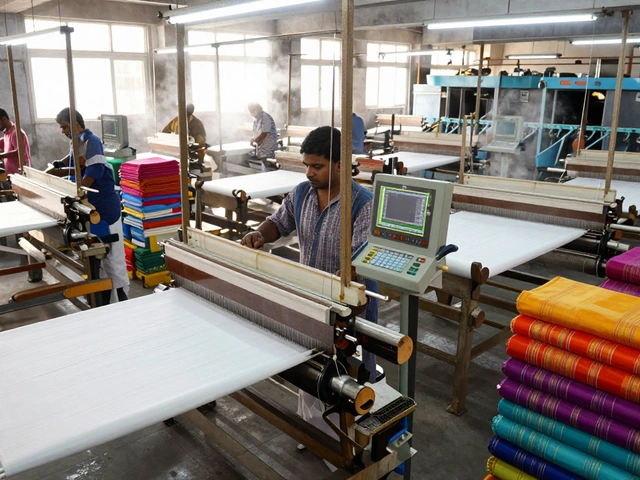
Automotive Manufacturing in India: What’s Made, Who Builds It, and How It’s Changing
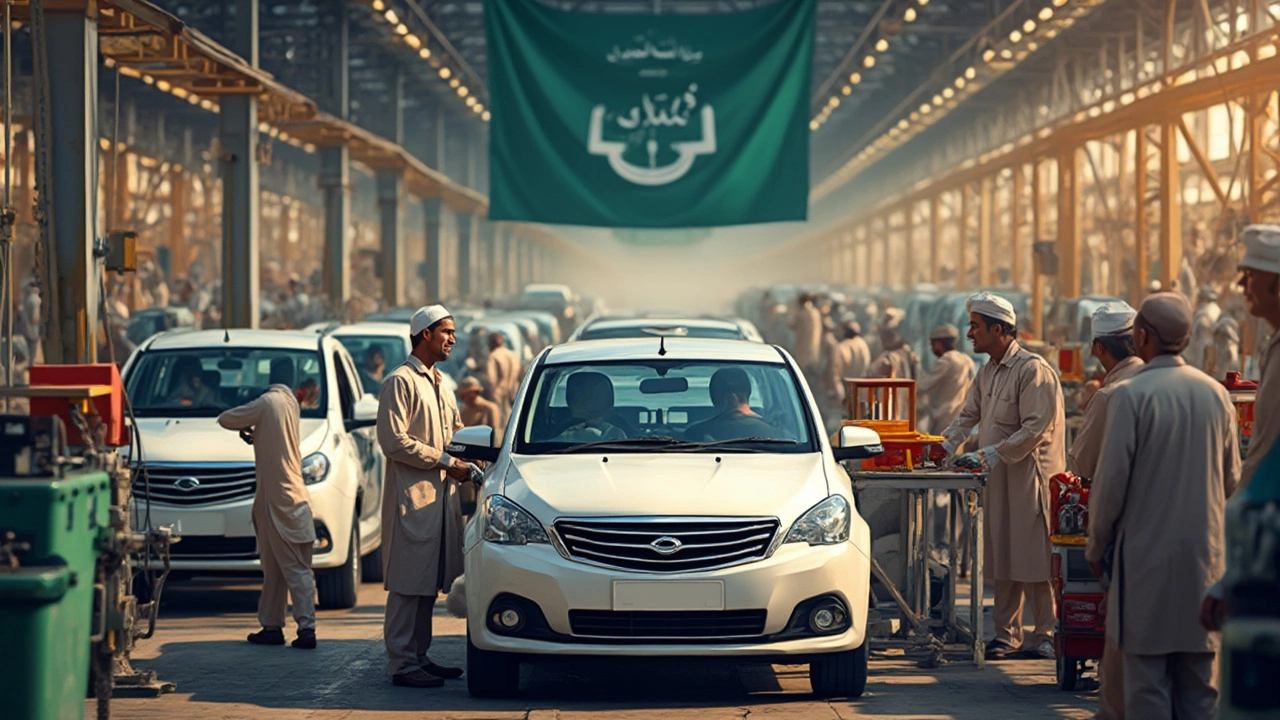
When you think of automotive manufacturing, the process of designing, assembling, and producing vehicles and their components. Also known as vehicle production, it’s no longer just about assembling cars on a line—it’s about building entire ecosystems of parts, software, and supply chains that power millions of vehicles on Indian roads. India is now one of the top five vehicle makers in the world, producing over 5 million cars and 18 million two-wheelers every year. That’s not just assembly—it’s full-scale engineering, from steel frames to battery packs for electric vehicles.
What makes this different today? electric vehicles, vehicles powered by rechargeable batteries instead of gasoline or diesel. Also known as EVs, they’re not just a trend—they’re the new baseline for manufacturers. Companies like Tata Motors and Mahindra aren’t just adding EV models—they’re redesigning factories, retraining workers, and building charging networks. Meanwhile, auto parts India, the network of suppliers making everything from brake pads to dashboard electronics. Also known as automotive component manufacturing, it’s grown into a $100 billion industry that serves both local brands and global exporters. Over 70% of parts for cars sold in India are now made here, from small fasteners to complex engine control units.
It’s not just about volume. It’s about quality, speed, and smart tech. Factories now use robotics for precision welding, AI for defect detection, and real-time data to cut waste. The government’s Production Linked Incentive (PLI) scheme isn’t just handing out cash—it’s forcing manufacturers to upgrade or get left behind. And it’s working: India now exports vehicles to over 80 countries, from Africa to Latin America.
What you’ll find below are real stories from inside this industry—the startups securing funding to make EV batteries, the small factories that supply parts to giants, the engineers solving problems no one talks about, and the policy shifts that changed everything overnight. This isn’t theory. It’s what’s happening right now, on the ground, in workshops and assembly lines across Tamil Nadu, Gujarat, and Uttar Pradesh.