Baowu Steel: China's Steel Giant and Its Global Impact on Manufacturing
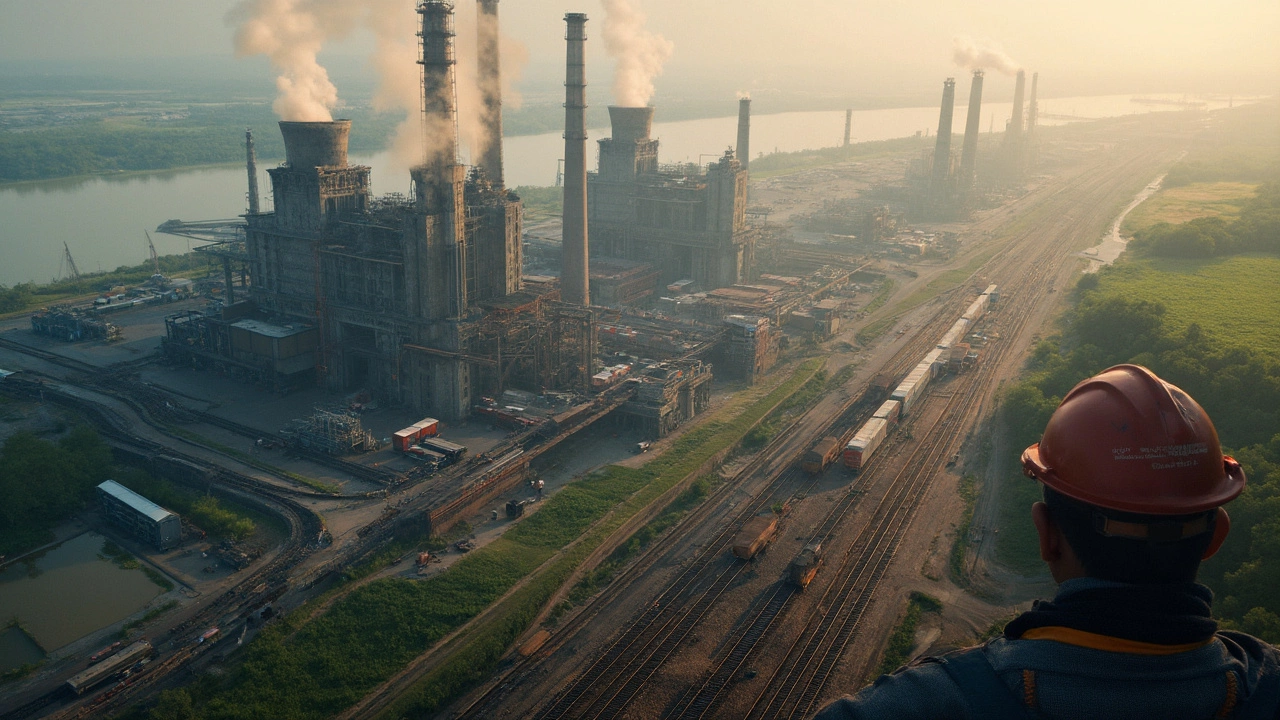
When you think about Baowu Steel, the world’s largest steel producer, headquartered in China, with annual output exceeding 130 million tons. Also known as China Baowu Steel Group, it doesn’t just make steel—it controls the price, availability, and quality of raw material for everything from smartphones to solar panels and electric vehicles. This isn’t just a company. It’s a force that reshapes manufacturing everywhere, including in India, where factories rely on imported steel for electronics assembly, machinery, and infrastructure projects.
Baowu Steel’s dominance comes from vertical integration. It owns mines, smelters, rolling mills, and logistics networks. That means it can cut costs, control output, and respond faster than smaller competitors. When Baowu lowers prices, global steel markets tremble. When it shifts production to greener methods, manufacturers worldwide scramble to adapt. In India, this directly affects companies trying to scale up under Make in India. If Baowu increases export tariffs or reduces shipments, local electronics and auto makers face delays and higher costs. It’s not a supplier—it’s a gatekeeper.
Related entities like steel manufacturing, the industrial process of turning iron ore into usable steel through blast furnaces and electric arc furnaces, and global steel supply, the interconnected network of producers, traders, and buyers that determines where and how steel moves across borders are all tied to Baowu’s decisions. The company’s push for carbon neutrality by 2050 is already changing how factories design their production lines. Even small manufacturers in Tamil Nadu or Gujarat now need to ask: Is this steel from Baowu? Is it certified? Will it be available next quarter?
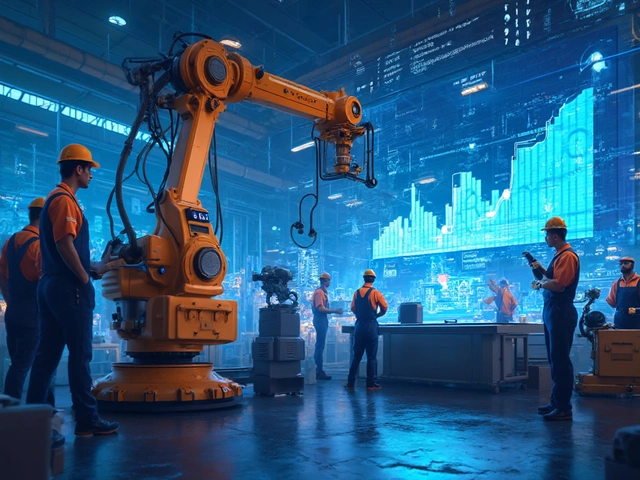
What’s interesting is how Baowu’s rise mirrors India’s own manufacturing ambitions. While India struggles with inconsistent power, outdated equipment, and fragmented supply chains, Baowu operates massive, automated plants that run 24/7. Its scale lets it invest in AI-driven quality control and robotic welding—things Indian startups dream about. But here’s the catch: Baowu isn’t just competing. It’s setting the rules. The steel your product is made from might come from Wuhan, not Bangalore. And that changes everything—from your margins to your delivery timelines.
You’ll find posts here that dig into how small manufacturers in India cope with steel price swings, how government schemes try to reduce import dependence, and which industries are most vulnerable to global supply shocks. There’s no fluff—just real data on costs, alternatives, and what happens when a single company controls so much of the raw material that powers modern industry.