Continuous Processing in Manufacturing: How It Works and Why It Matters
When you hear continuous processing, a manufacturing method where materials flow through a system without interruption, often used in high-volume production. Also known as flow production, it’s the quiet engine behind much of what you use every day—from the plastic parts in your phone to the packaged snacks on your shelf. Unlike batch manufacturing, where you make a set number of items, stop, clean up, and start again, continuous processing never stops. It’s like a river—materials enter one end, get transformed step by step, and roll out the other as finished goods. This isn’t science fiction. It’s how India’s largest electronics assemblers, chemical plants, and food processors keep up with demand.
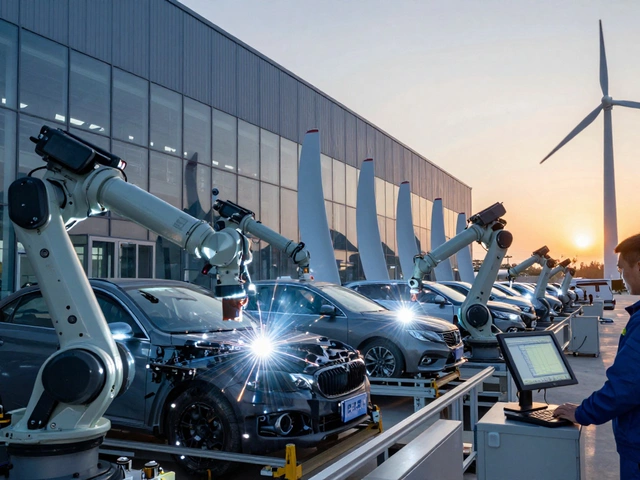
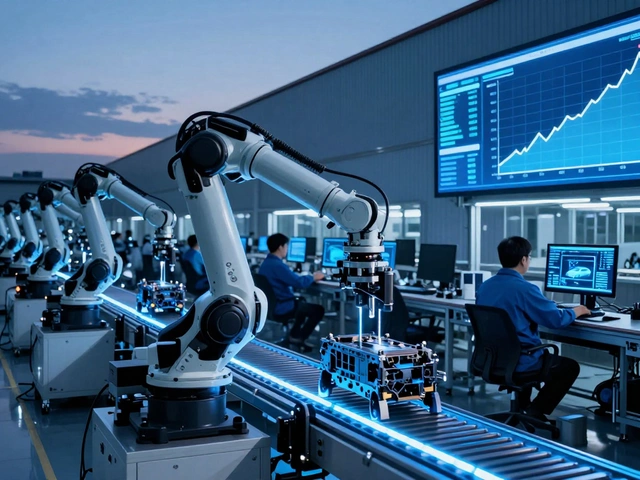
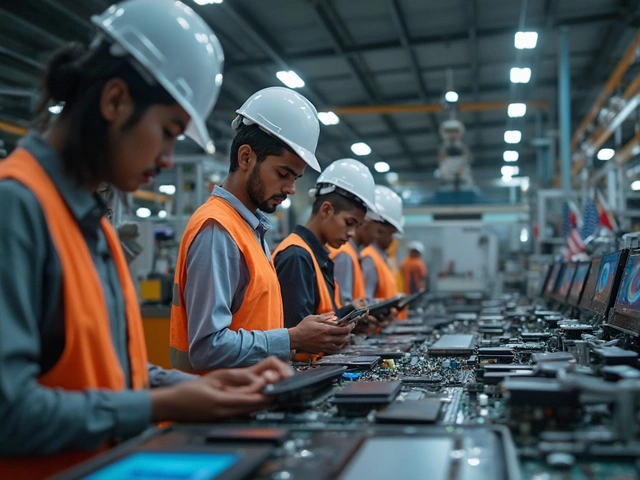
What makes continuous processing so powerful? It slashes labor costs, reduces waste, and improves consistency. A single automated line can run 24/7, making thousands of identical parts without fatigue. In Tamil Nadu’s electronics hubs, this method powers the assembly of solar inverters and TV circuit boards. In Gujarat’s chemical plants, it turns raw materials into high-margin specialty compounds without stopping for breaks. Even food processors use it—think of milk pasteurization or snack extrusion lines that never pause. The key is industrial automation, the use of control systems and machinery to operate production with minimal human input. You don’t need robots everywhere, but you do need sensors, timers, and reliable conveyors. And that’s where many small manufacturers struggle—not because they can’t afford it, but because they don’t know where to start.
It’s not just for big players. The manufacturing workflow, the sequence of steps from raw material to finished product can be simplified for smaller setups. A local plastic molder might not run a mile-long line, but they can still shift from batch molding to semi-continuous operation by linking injection machines with automated trimmers. That’s how you cut cycle times by 30% without hiring more staff. The production efficiency, the ratio of output to input resources over time gains are real. One small factory in Pune switched from manual batch drying to a continuous conveyor oven and doubled daily output while using less energy.
But here’s the catch: continuous processing demands reliability. One broken sensor, one clogged valve, and the whole line halts. That’s why measurement and maintenance matter more than ever. The continuous processing model only wins if you track performance every hour, not every week. It’s why the 5 M’s of manufacturing—Manpower, Machines, Materials, Methods, Measurement—are non-negotiable here. You can’t guess your way through it.
What you’ll find below are real examples of how Indian manufacturers—from startups to established plants—are using continuous processing to cut costs, scale up, and compete globally. You’ll see how a food processor in Andhra Pradesh cut spoilage by half, how a medical device maker in Karnataka reduced defects by 40%, and why some small factories are skipping batch production entirely. No theory. No fluff. Just what works on the floor today.