Electronics Assembly India
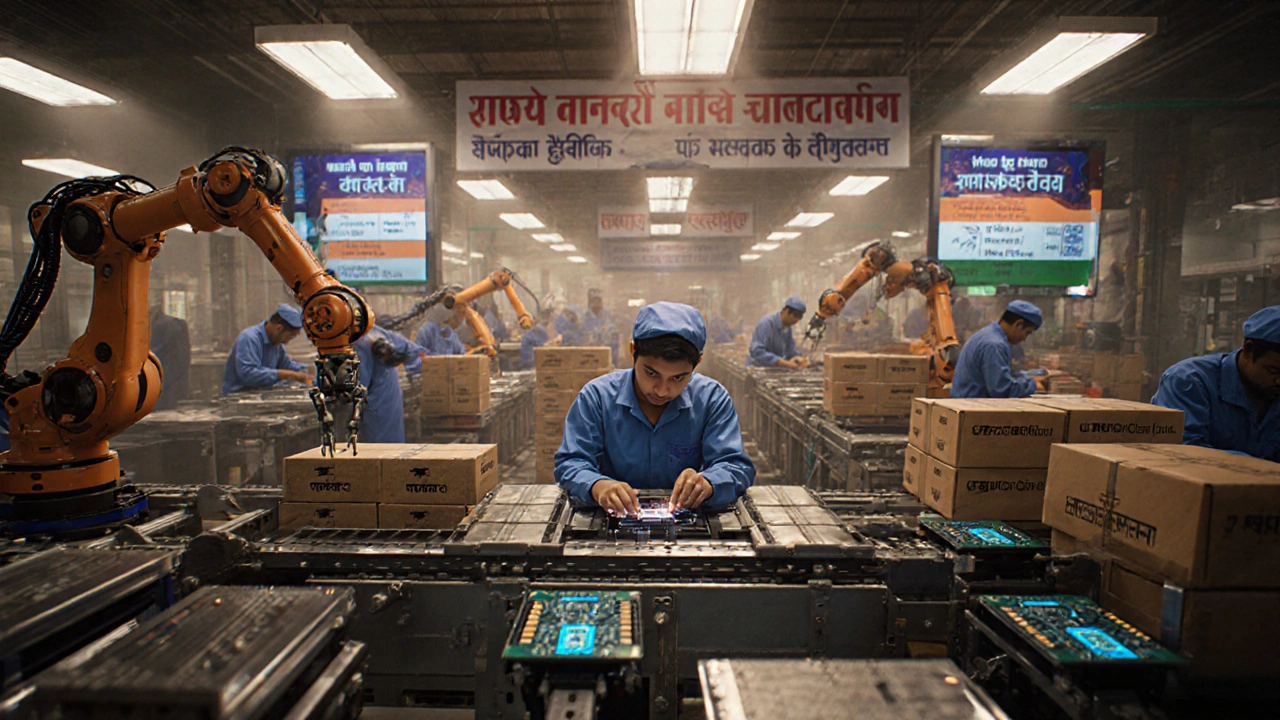
When you think of electronics assembly India, the process of putting together circuit boards, wiring, and components into finished devices like smartphones, routers, and medical gadgets. Also known as electronic manufacturing services, it’s not just about soldering parts—it’s a complex chain of precision, logistics, and scale that’s reshaping global tech supply chains. India isn’t just making phones anymore. It’s building the brains inside smart home gadgets, car sensors, and even solar inverters. And it’s doing it faster, cheaper, and with better quality than most expected just five years ago.
The real story behind electronics manufacturing India, the broader ecosystem that includes design, component sourcing, testing, and final assembly is tied to government push, skilled labor, and smart factories. Tamil Nadu leads the pack, shipping over $12 billion in electronics in 2024, thanks to clusters near Chennai and Hosur. But it’s not just big names like Samsung and Foxconn. Hundreds of small and mid-sized factories across Karnataka, Telangana, and Uttar Pradesh are quietly becoming critical links in the chain. These aren’t just assembly lines—they’re innovation hubs where engineers tweak designs, test durability, and cut costs without sacrificing quality.
What makes Indian electronics industry, the network of companies, policies, training centers, and suppliers that support electronics production across the country different? It’s the blend of low-cost labor and rising technical skill. Factories now use automated optical inspection machines, pick-and-place robots, and real-time quality tracking—tools once only found in Germany or Japan. At the same time, local suppliers are stepping up. You’ll find Indian-made capacitors, connectors, and even PCBs now used in devices exported to Europe and Africa. This isn’t copycat production. It’s local problem-solving—like designing heat-resistant boards for India’s 45°C summers or building rugged devices for rural power grids.
And it’s not just about exports. The domestic market is exploding. With more Indians buying smart TVs, fitness trackers, and home automation kits, local assembly means faster repairs, lower prices, and more jobs. A factory in Pune might assemble 5,000 smart meters a week—not for export, but for a state electricity board. That’s the quiet power of electronics assembly India: it’s not just making gadgets. It’s building resilience.
What you’ll find below are real stories from this world—how startups get their first production run, which states are winning the race, what profit margins really look like, and how small factories compete with giants. No fluff. Just facts, numbers, and the people making it happen.