Food Engineering: What It Is and How It Powers India's Food Manufacturing
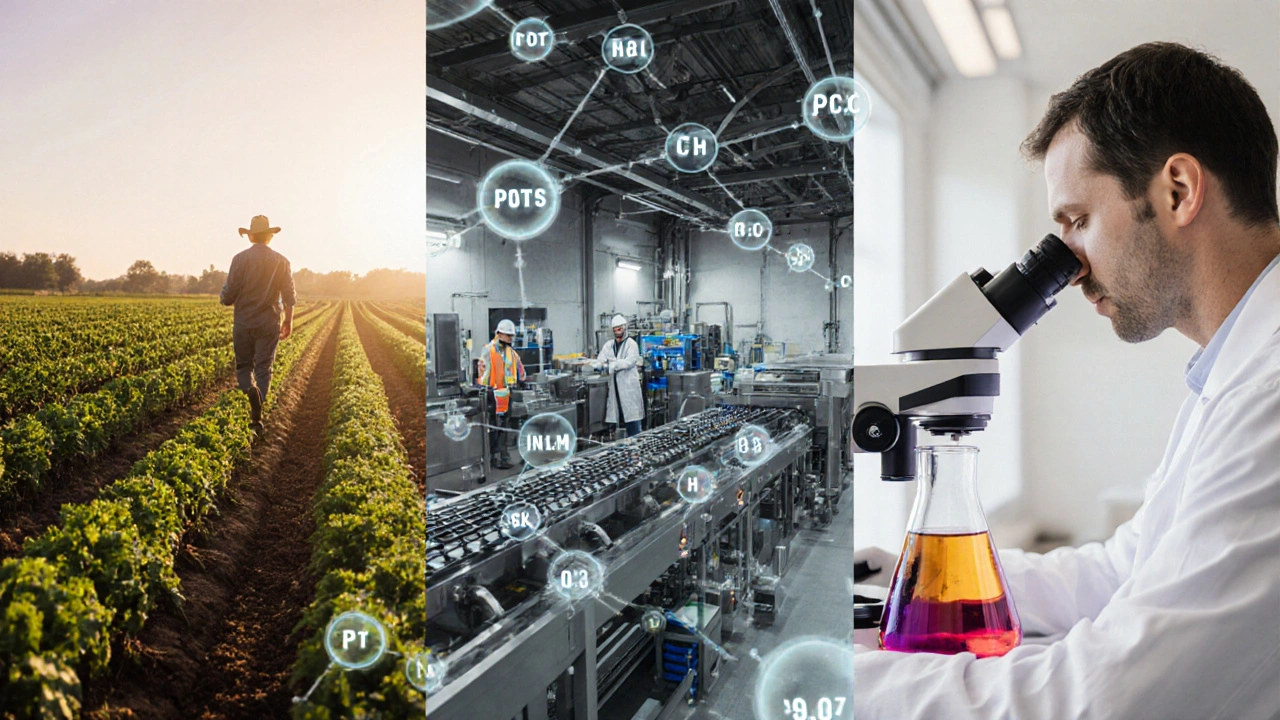
When you think about how your packaged snacks, bottled juices, or frozen meals end up on store shelves, you’re looking at food engineering, the application of engineering principles to food production, preservation, and safety. Also known as food processing engineering, it’s not just about machines—it’s about designing systems that turn raw ingredients into safe, consistent, and profitable products at scale.
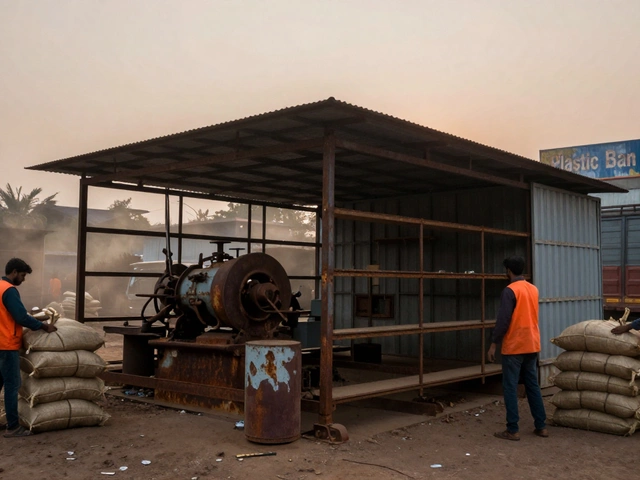
Food engineering doesn’t happen in a vacuum. It relies on food processing units, specific types of production lines designed for batch, continuous, or automated operations. These units range from small local setups that make pickles or papads to massive automated lines that produce ready-to-eat meals for national chains. The right unit depends on your product, volume, and budget—and choosing wrong can sink a business before it starts. Then there’s food manufacturing, the broader industry that includes everything from sourcing raw materials to packaging and distribution. This is where food engineering meets real-world economics: margins, labor, energy use, and government incentives all play a role.
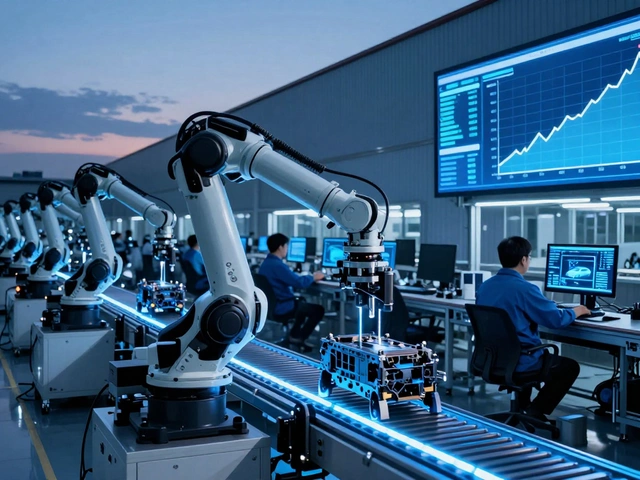
What makes food engineering especially powerful in India is its blend of tradition and innovation. You can’t talk about food engineering without mentioning food processing equipment, the tools and machinery that make large-scale production possible—from pasteurizers and fillers to vacuum sealers and conveyor systems. These aren’t just gadgets; they’re the backbone of profitability. A small processor using the right equipment can cut waste, reduce labor costs, and meet safety standards that open doors to bigger markets. And when you combine that with smart design—like using hybrid processing units that switch between batch and continuous modes—you get flexibility that big factories can’t match.
Food engineering also ties directly to food industry profit, how much money actually stays after raw materials, labor, energy, and compliance costs are paid. High-margin products like dried fruits, spice blends, or fortified snacks aren’t accidents—they’re the result of careful engineering. Every step, from how you dry your mangoes to how you seal your spice packets, affects shelf life, transport cost, and consumer trust. That’s why the best food manufacturers don’t just follow recipes—they optimize systems.
What you’ll find below isn’t just theory. These posts show real examples: how small players use simple processing units to compete, which food products deliver the highest returns, and how government schemes are helping local manufacturers upgrade without going broke. You’ll see how food engineering isn’t just for big labs—it’s for the guy making pickles in his backyard and the factory exporting masalas overseas. If you’re building, investing in, or just curious about how your food gets made, this collection gives you the practical truth—not the hype.