Global Manufacturing: Where Things Are Made and Why It Matters
When we talk about global manufacturing, the worldwide network of factories, supply chains, and workers that turn raw materials into the products we use every day. Also known as international production, it’s not just about where things are made—it’s about who controls the process, who benefits, and how policies in one country ripple across the globe. This isn’t some distant corporate system. It’s your smartphone built in Tamil Nadu, your steel beam forged in Gary, Indiana, your solar inverter assembled near Bangalore. Global manufacturing is the invisible engine behind nearly everything you touch.
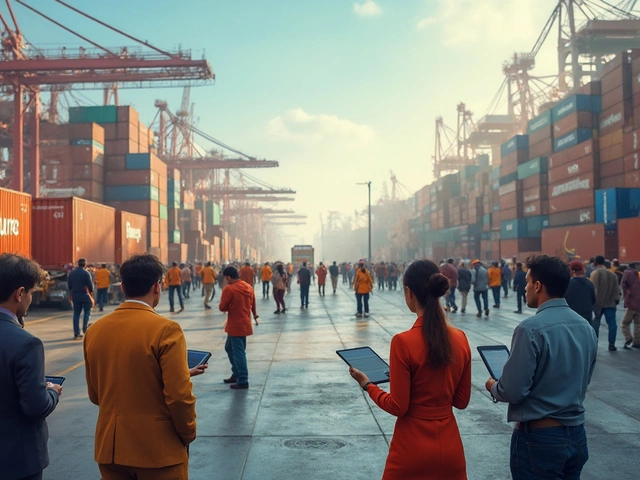
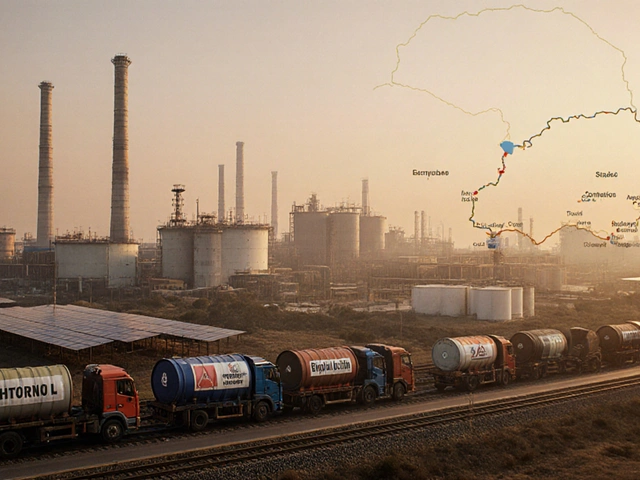
It’s not one big factory. It’s a patchwork of specialized hubs. India, a rising force in electronics and pharma manufacturing, now produces smartphones, medical devices, and solar tech at scale, thanks to local talent, export incentives, and port access. Meanwhile, steel manufacturing, a backbone of industrial output, still centers on legacy giants like U.S. Steel’s Gary Works, even as production spreads to new regions. And while China still leads in volume, countries like Vietnam and Mexico are stepping in with faster turnaround and lower labor costs. What’s changing isn’t just location—it’s control. Companies now demand transparency, ethical sourcing, and speed—not just low prices.
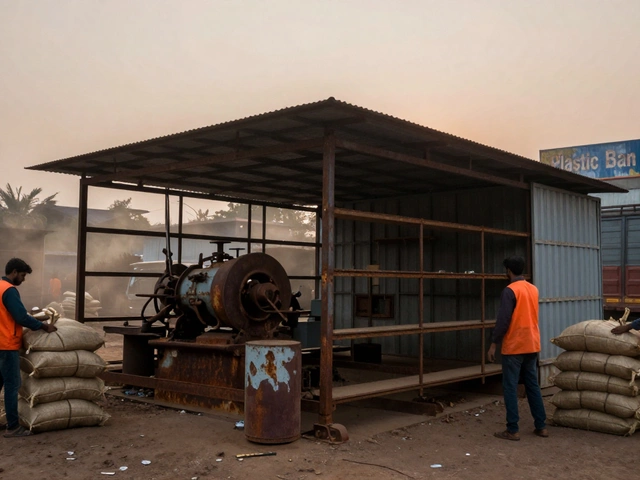
Small manufacturers are part of this too. They’re the ones making custom parts, local food processing units, or niche plastic components that big factories ignore. These businesses survive by being agile, building direct relationships, and using the 5 M’s of manufacturing—Manpower, Machines, Materials, Methods, Measurement—to cut waste and qualify for government help. Profit margins? They’re thin, but survivable if you focus on essentials like medical supplies, food processing, or repair parts—things people always need.
And it’s not just about making stuff. It’s about who owns the process. Cipla’s Hamied family still holds control over India’s biggest pharma company, refusing buyouts to keep medicine affordable. Reliance dominates textiles not just by size, but by owning every step—from fiber to retail. These aren’t accidents. They’re strategic choices made by people who understand that global manufacturing isn’t just about output. It’s about power, legacy, and resilience.
What you’ll find below are real stories from this world. How a startup lands its first manufacturing partner. Why Tamil Nadu leads India’s electronics exports. What makes a small factory profitable. Who owns the biggest steel mill in the U.S. And how government schemes are quietly reshaping who wins and who gets left behind. No theory. No fluff. Just what’s actually happening in factories, ports, and workshops around the world—right now.