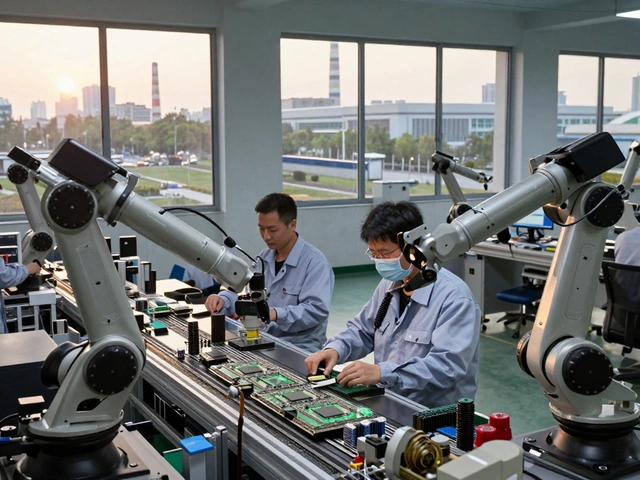
Idea Protection: How to Safeguard Your Manufacturing Innovation
When you have a manufacturing idea, a unique product concept ready to be turned into physical goods. Also known as product invention, it is worth nothing if someone else copies it before you launch. Idea protection isn’t about patents alone—it’s about controlling who sees your design, when, and under what rules. Too many makers skip this step, hand over sketches to a factory, and wake up months later to find their product selling under a different brand. You don’t need a law degree to prevent this. You just need to know the right moves.
Start with a Non-Disclosure Agreement (NDA), a simple legal contract that stops people from sharing or using your idea without permission. Every manufacturer you talk to should sign one before you show them your prototype or specs. This isn’t just paperwork—it’s your first line of defense. Next, document everything: dated sketches, CAD files, test results. Keep them in a locked folder or encrypted cloud. If you ever need to prove you came up with it first, this paper trail matters more than you think. And don’t assume your idea is too small to protect. Even simple changes in how a part fits or how a device powers on can be valuable. The manufacturing intellectual property, the legal rights that belong to the creator of a new product or process doesn’t always mean a full patent. Sometimes, it’s just knowing who you can trust.
Look at the posts below. You’ll find real examples of how small manufacturers in India protected their ideas before production—some used NDAs, others pre-sold to prove demand, and a few worked with local agencies to lock in design rights. One founder pitched his medical device to three factories before signing anyone, and only after each signed an NDA. Another kept his product design hidden until he had pre-orders from five hospitals. These aren’t theoretical tips. They’re tactics used by people just like you. Whether you’re building a plastic part, an electronic gadget, or a food processing machine, the rules are the same: don’t talk until you’re protected. The next step isn’t finding a factory—it’s locking down your idea so no one else can steal it.