India to USA cars: Why Indian Cars Don't Go to the US and What Really Matters
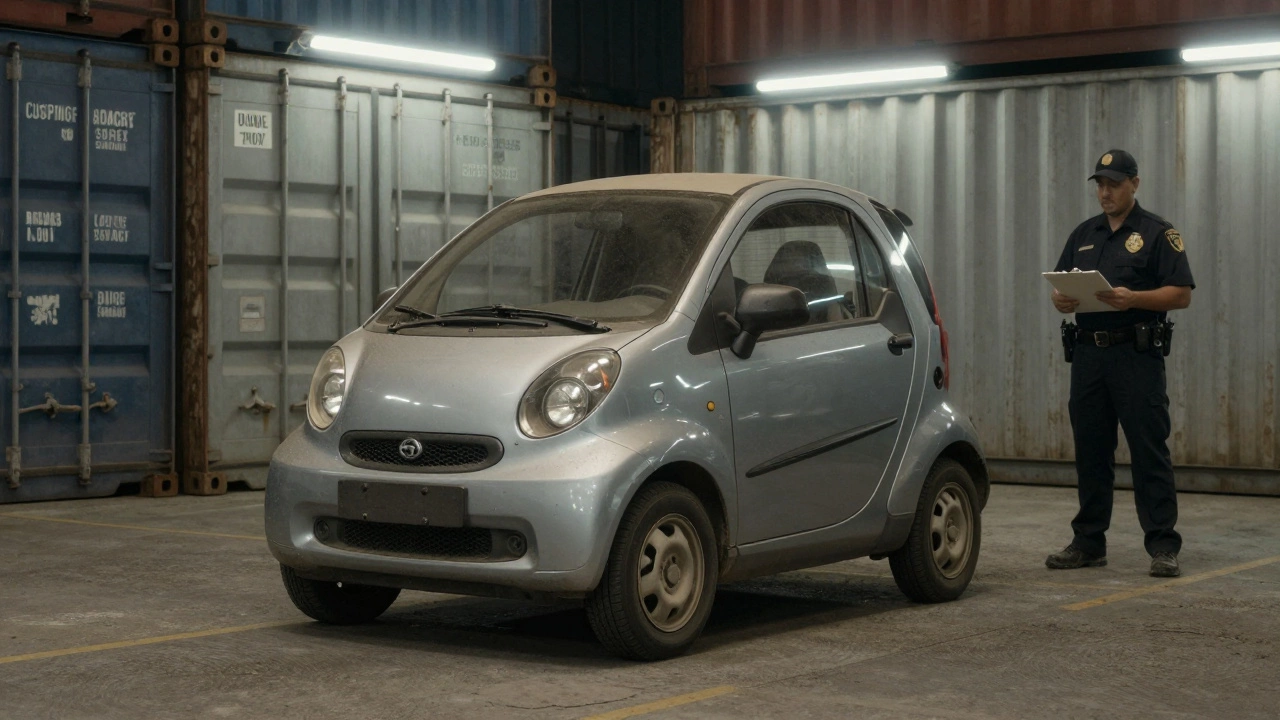
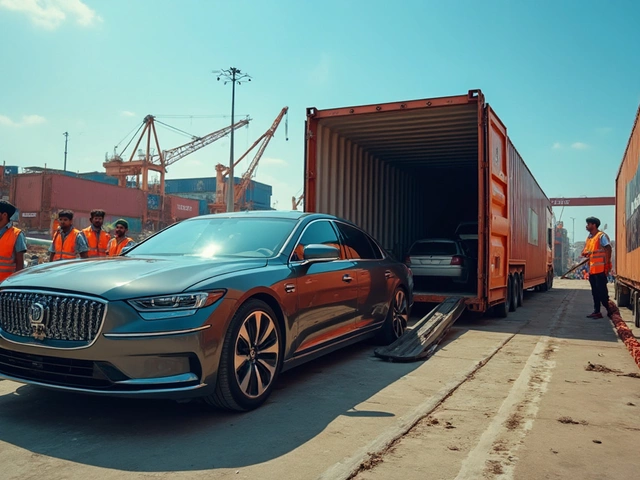
When you think of India to USA cars, the flow of vehicles from India to American showrooms. Also known as Indian car exports to America, it’s a topic that sounds simple but hides a complex web of regulations, costs, and market forces. The truth? Very few Indian-made cars ever reach US dealerships—and it’s not because Americans don’t like them. It’s because the system isn’t built for them to get there.
The car manufacturing India, the ecosystem producing vehicles like the Tata Nexon, Maruti Suzuki Alto, and Mahindra XUV300 is designed for affordability, not global compliance. Indian cars are built to meet Bharat NCAP safety standards, not the stricter IIHS or NHTSA tests required in the US. Adding side airbags, advanced crash structures, and emissions controls that meet EPA rules would push the price of a ₹6 lakh car to over $30,000—making it uncompetitive against the Toyota Corolla or Hyundai Elantra already sold here.
Then there’s the US auto market, a landscape dominated by large sedans, SUVs, and trucks, with strict fuel economy and emissions targets. Indian cars are small, fuel-efficient, and built for congested cities—not American highways. Even if a company like Tata tried to import the Tiago, it would need to redesign the chassis, add new safety features, and pay import tariffs that can add 25% to the cost. That’s why most Indian automakers focus on markets like Africa, Latin America, and Southeast Asia, where the cost-to-value ratio makes sense.
What about automobile taxes India, the high duties and GST that make cars expensive domestically? Those same taxes are part of why Indian cars can’t compete globally. The cost structure is built for local buyers, not international ones. Meanwhile, the US market rewards scale, brand recognition, and established distribution—things Indian brands haven’t invested in yet.
But here’s the real question: should Indian cars be in the US? Maybe not today. But if India’s electronics manufacturing boom is any clue—smartphones, solar inverters, medical devices—all made locally and now exported worldwide—then the same shift could come to cars. It won’t happen overnight. But if Indian automakers start designing for global standards from day one, instead of retrofitting later, the door could open.
What you’ll find below are real stories from India’s manufacturing world—why cars cost what they do, who’s leading electronics exports, how small factories survive, and what it actually takes to turn a local idea into a global product. These aren’t theoretical debates. They’re the daily decisions shaping whether India’s next big export will be a smartphone… or a car.