Manufacturing Business Ideas: Real Opportunities in India’s Industrial Growth
When you think of manufacturing business ideas, practical, scalable ways to produce goods locally with real profit potential. Also known as industrial startups, it’s not just about setting up a factory—it’s about solving real problems with products people actually need. India’s manufacturing scene isn’t about big names alone. It’s full of small shops making medical devices in Tamil Nadu, family-run plastic units in Gujarat, and food processors in Uttar Pradesh turning local crops into shelf-stable snacks. These aren’t dreams. They’re businesses earning margins between 20% and 40%, often with under ₹50 lakh in startup costs.
What makes a manufacturing idea work today? It’s not just having a good product. It’s understanding the 5 M's of manufacturing, the core pillars: Manpower, Machines, Materials, Methods, and Measurement. A small unit that nails these can qualify for government training grants and subsidies. It’s also about picking the right food processing units, the type of production system—batch, continuous, or automated—that matches your scale and product. You don’t need a fully automated line to make profitable pickles or spice blends. A well-run batch system with clean labeling and local distribution beats a huge factory stuck with unsold stock.
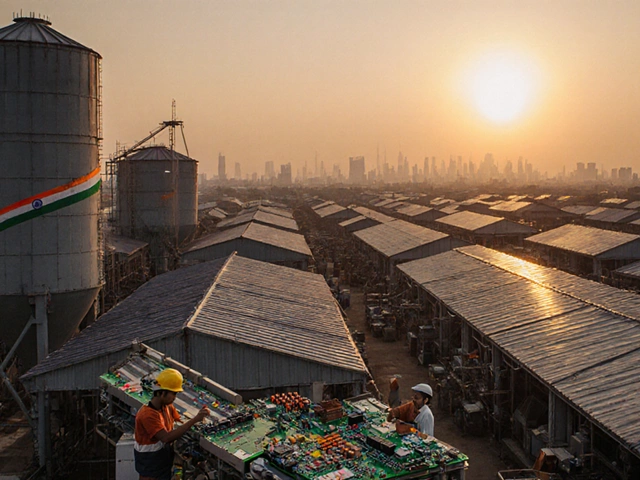
And it’s not just food. India now makes smartphones, solar inverters, and EV parts locally. The electronics manufacturing India, the growing ecosystem of local production, assembly, and component supply is fueled by policy shifts and rising global demand. Tamil Nadu alone shipped over $12 billion in electronics last year. That’s not luck. It’s infrastructure, skilled labor, and entrepreneurs who started small—like a workshop making circuit boards for local appliance repair shops—and scaled up by focusing on one niche.
Profit isn’t magic. It’s math. The manufacturing profit margin, the percentage of revenue left after raw materials, labor, and overhead are paid varies wildly. A chemical maker might clear 35% on specialty solvents. A furniture producer might struggle to hit 12%. The key isn’t chasing the highest margin—it’s matching your skills, location, and access to raw materials to a product that doesn’t need massive scale to be profitable.
You’ll find posts here that break down exactly how to get your first funding without giving away control, how to pitch your idea to a factory owner, and which chemicals, plastics, or food products deliver the best returns right now. No theory. No fluff. Just what’s working on the ground—from a single machine in a garage to a small plant exporting to Africa. If you’re tired of hearing about unicorn startups and want to know what actually gets made, sold, and paid for in India’s factories, you’re in the right place.