Steel Production in India: How It Works, Who Makes It, and Why It Matters
When you think about steel production, the process of turning iron ore and scrap metal into strong, usable steel for buildings, cars, and machines. Also known as steel manufacturing, it’s the backbone of nearly every industrial project in India. From the steel beams in your local metro station to the chassis of a new electric vehicle, steel is everywhere—and India is becoming one of the biggest makers in the world.
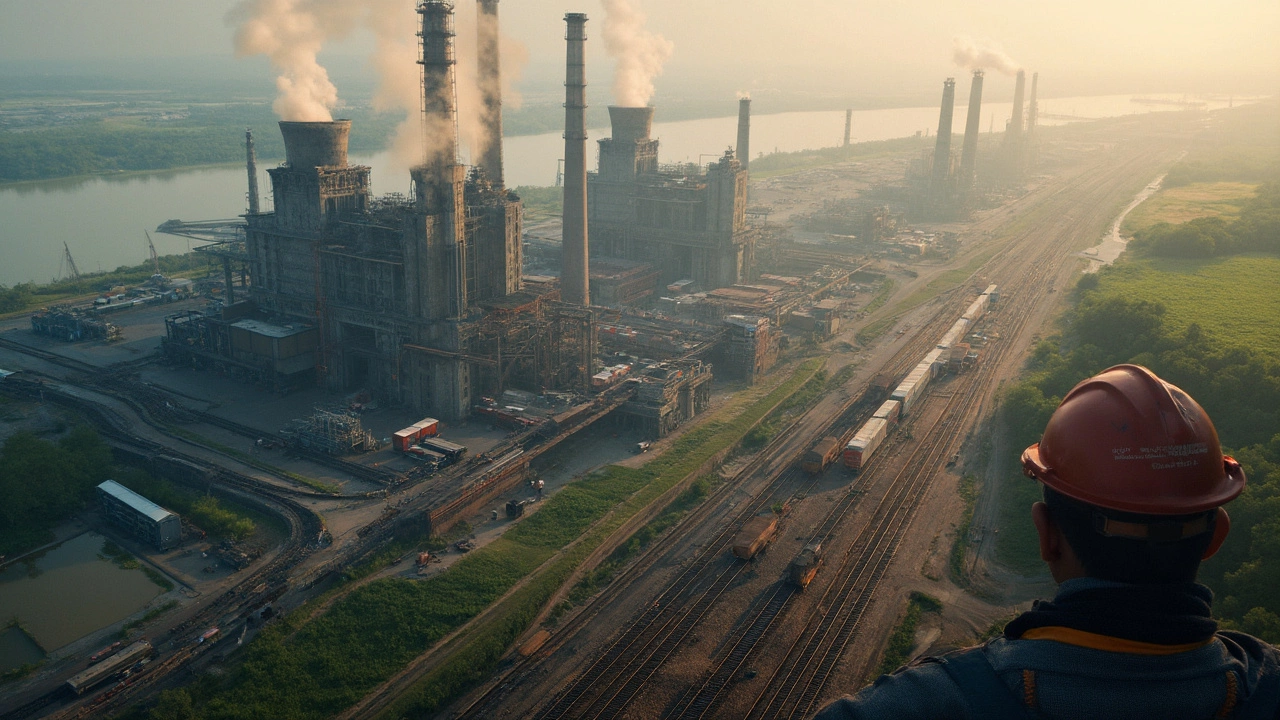
Steel production isn’t just about melting metal. It’s a chain: mining iron ore, processing it in blast furnaces or electric arc furnaces, refining the alloy, and rolling it into sheets, bars, or coils. The biggest players like Tata Steel, India’s oldest and largest integrated steel producer, with mills in Jamshedpur and across the country, and SAIL, the state-owned steel giant that runs major plants in Bhilai, Rourkela, and Durgapur, control most of the output. But smaller mills are catching up fast, using scrap metal and modern electric furnaces to make high-quality steel cheaper and faster. This shift is changing the whole steel supply chain, how raw materials move from mines to factories to construction sites—and making India less dependent on imports.
What’s driving this boom? Demand. India’s infrastructure push—new highways, airports, housing, and factories—needs tons of steel. So do solar power plants, electric buses, and appliances. The government’s Make in India plan is giving tax breaks, land, and power subsidies to steel makers who invest in clean tech and local sourcing. That’s why new mills are popping up in Odisha, Jharkhand, and Chhattisgarh, where iron ore is plentiful. It’s not just about making more steel—it’s about making it smarter, greener, and more efficient.
What you’ll find in the posts below isn’t a textbook on metallurgy. It’s real talk from people who work in this space. You’ll see how small manufacturers source steel for their products, what costs actually go into making a steel part, which states are the top producers, and how global price swings affect local factories. No fluff. Just what you need to know if you’re building something, investing in manufacturing, or trying to understand why steel matters more than you think.