Textile Mill: How India’s Textile Manufacturing Works Today
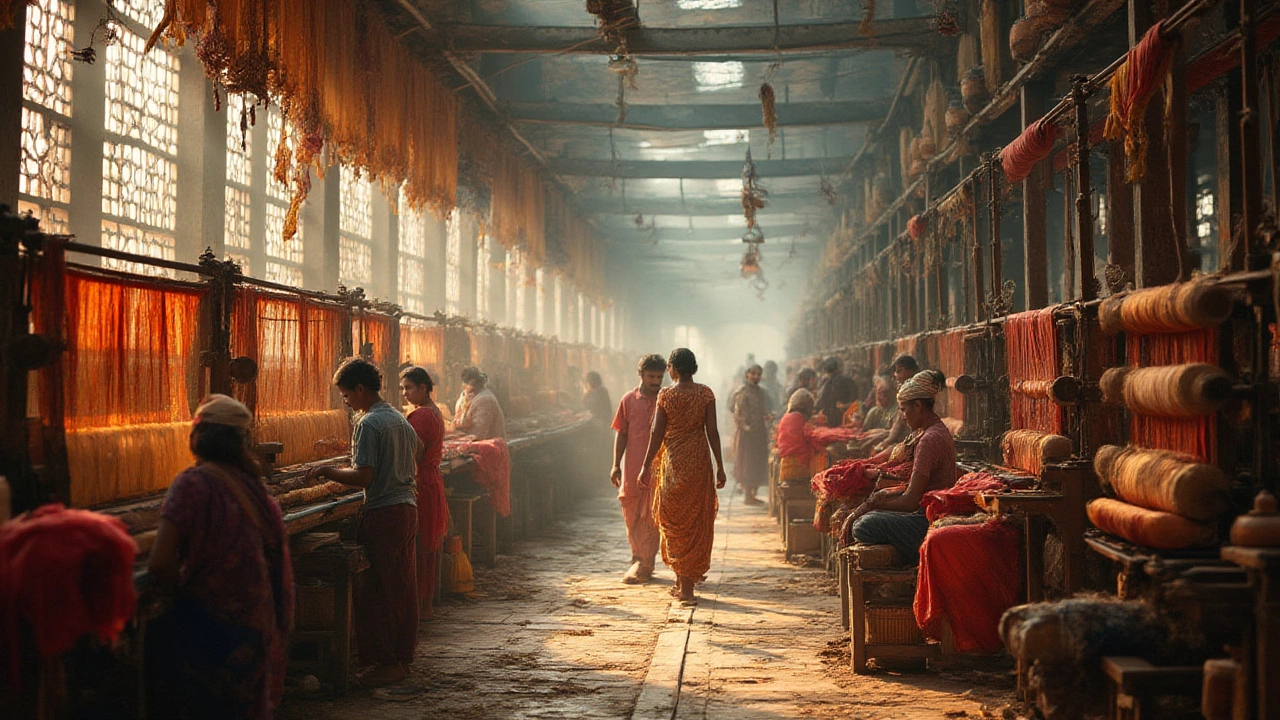
A textile mill, a facility where raw fibers like cotton or synthetic threads are spun, woven, or knitted into fabric. Also known as a fabric factory, it’s the backbone of India’s clothing and home goods supply chain. Unlike big-box retailers that just sell finished clothes, textile mills are where the real work happens — turning bales of cotton into bolts of cloth that end up in your T-shirts, bedsheets, or jeans.
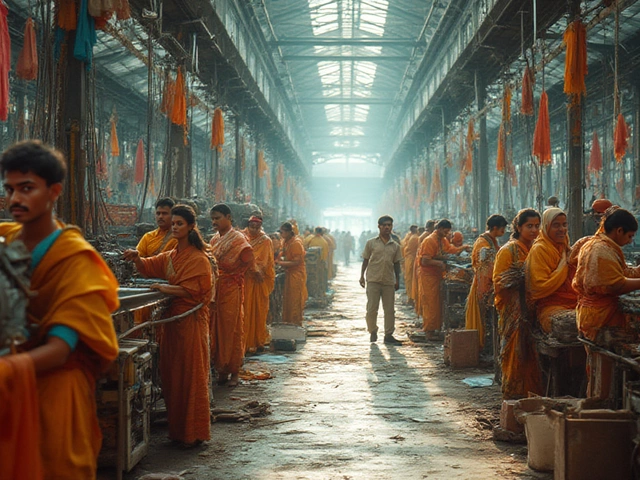
India has thousands of these mills, from tiny family-run units in Tamil Nadu to massive integrated plants like Reliance Textiles, the country’s largest textile producer, controlling everything from fiber to retail. These mills don’t just make fabric — they employ hundreds of thousands of people, from machine operators to quality inspectors. But they’re also under pressure. Rising energy costs, cheaper imports from Bangladesh and Vietnam, and outdated equipment have forced many to shut down. Still, the ones that survive are investing in automation, better yarn quality, and faster production cycles to stay competitive.
The Indian textile industry, a $150 billion sector that employs over 45 million people, isn’t just about mills. It’s about the entire chain: farmers growing cotton, dyers treating fabric, designers creating patterns, and exporters shipping goods overseas. Some mills now focus on niche markets — organic cotton, technical textiles for hospitals, or high-end home linens — because mass production alone won’t cut it anymore. Government schemes help with subsidies for new machines, but the real winners are those who adapt fast, train their workers well, and build direct relationships with brands.
What you’ll find in this collection are real stories about how textile mills operate — who runs them, why some failed, and how others are turning things around. You’ll see the numbers behind profits, the tools they use, and the people keeping the looms running. This isn’t just history. It’s what’s happening right now, in factories across Gujarat, Maharashtra, and Tamil Nadu.