Continuous Improvement in Manufacturing: Real Ways to Get Better Every Day
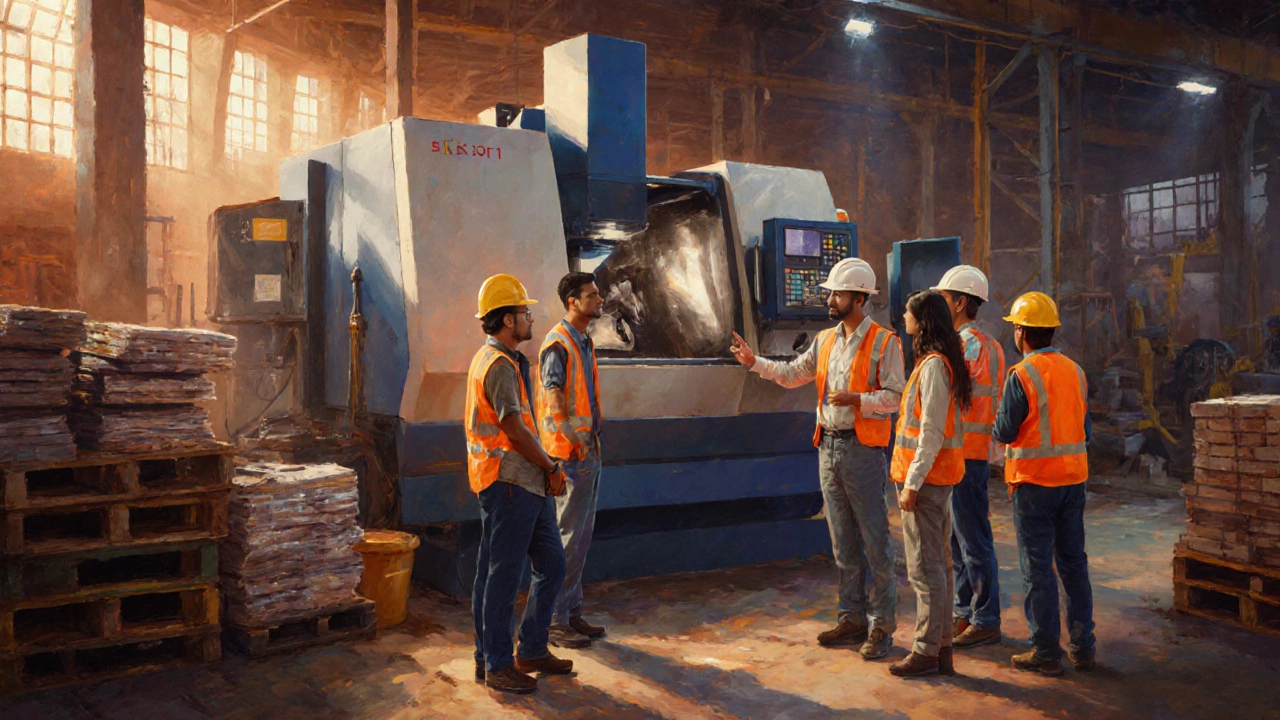
When you hear continuous improvement, a steady, daily focus on making processes faster, cheaper, and more reliable. Also known as kaizen, it's not about big overhauls—it's about small changes that add up. In Indian factories, this isn’t theory. It’s how a tiny electronics assembler in Tamil Nadu cut defect rates by 40% in six months by just asking workers to flag one broken part each shift. It’s how a food processing unit in Punjab reduced setup time by half by rearranging tools within reach. This isn’t magic. It’s routine.
Real manufacturing efficiency, the ability to produce more with less waste, time, or cost doesn’t come from expensive robots. It comes from paying attention to the 5 M's of manufacturing, Manpower, Machines, Materials, Methods, and Measurement—the five core areas every factory must track. A small plastic maker in Gujarat didn’t buy new machines. They fixed one machine’s alignment, trained three workers to check material batches before feeding them in, and started measuring scrap weight daily. Their profit margin jumped 18% in nine months. That’s the power of focusing on just one of the 5 M's at a time.
You don’t need a six-sigma team or a fancy software license. You need someone who asks: "Why does this step take so long?" or "Why did this part break again?" The best manufacturers don’t wait for problems to get big. They fix them the moment they notice them. That’s continuous improvement. And it’s everywhere in the posts below—from how a startup in Bengaluru improved its production workflow to how a food processing unit in Maharashtra chose between batch and continuous lines to reduce downtime. You’ll see real examples, real numbers, and real steps anyone can copy. No fluff. Just what works.