Foreign Appliances in India: What’s Made Here vs. What’s Imported
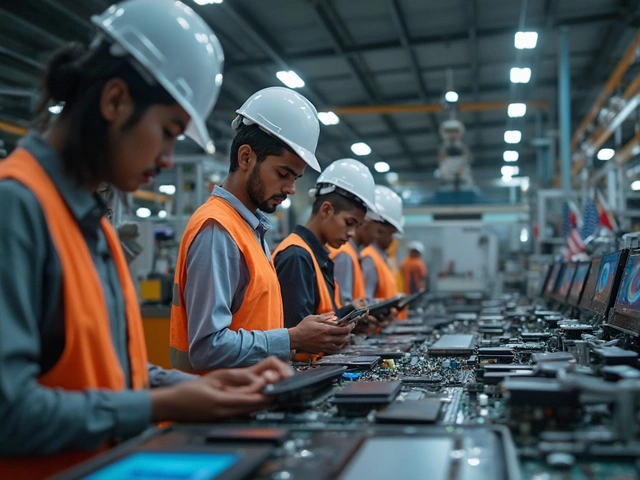
When you buy a refrigerator, microwave, or washing machine in India, chances are it carries a foreign brand—but that doesn’t mean it was made overseas. Foreign appliances, products designed and branded abroad but often assembled or manufactured locally under India’s production policies. Also known as imported electronics, these devices flood Indian markets, yet the reality is more complex than it looks. Many so-called foreign appliances are now built right here, using Indian labor, local components, and domestic supply chains. Thanks to policies like Make in India and higher import duties, global brands like Samsung, LG, and Whirlpool have shifted production to Tamil Nadu, Uttar Pradesh, and Telangana. What you’re buying might still say ‘Made in Korea’ on the box, but the actual assembly happened in a factory just outside Chennai.
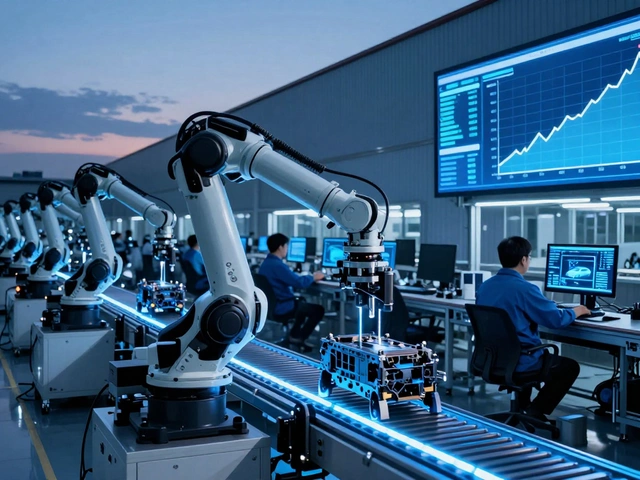
The line between foreign appliances and Indian electronics production, the growing ecosystem of devices designed, assembled, and sometimes engineered within India is fading fast. India now manufactures over 90% of its smartphones, 70% of its TVs, and nearly all solar inverters locally. Even high-end medical devices and EV electronics are being built here. This isn’t just about cost—it’s about control, speed, and meeting local demand. Companies that once relied on full imports now partner with Indian factories to cut shipping delays, avoid tariffs, and tailor products for Indian voltage, humidity, and usage patterns.
But not everything is made here. High-end kitchen gadgets, premium audio gear, and niche industrial tools still come from abroad. Why? Because some technologies—like advanced semiconductor chips or precision motors—aren’t yet produced at scale in India. That’s changing, though. With government incentives for electronics manufacturing and a growing pool of trained engineers, local production is expanding into areas once considered off-limits. The appliance import India, the flow of finished goods from overseas into India’s consumer market is shrinking, not because of bans, but because local factories are catching up.
What does this mean for you? If you’re a consumer, you’re getting better prices and faster service. If you’re a business owner, there’s a real chance to source locally instead of relying on overseas suppliers. And if you’re curious about how India’s manufacturing engine works, the posts below show you exactly where things stand—what’s being built, who’s building it, and how the rules are changing. No fluff. Just facts from the factory floor.