Imported Vehicles: What They Mean for India's Manufacturing Scene
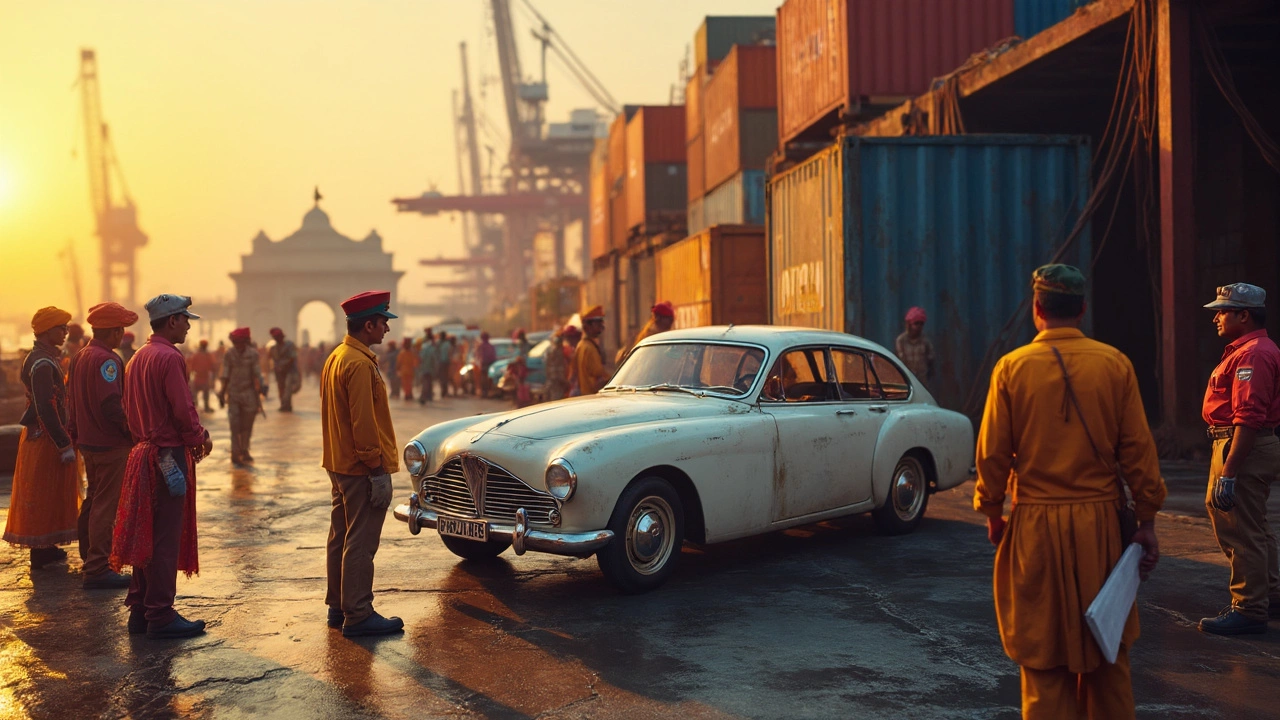
When you think of imported vehicles, cars and motorcycles brought into India from other countries, often fully built or as knock-down kits. Also known as CBU vehicles, they play a key role in shaping what gets made locally. These aren’t just luxury imports—they’re signals. Every imported electric SUV, German diesel truck, or Japanese compact car tells a story about what Indian consumers want, what local factories can’t yet make, and where government policy is pushing or pulling the industry.
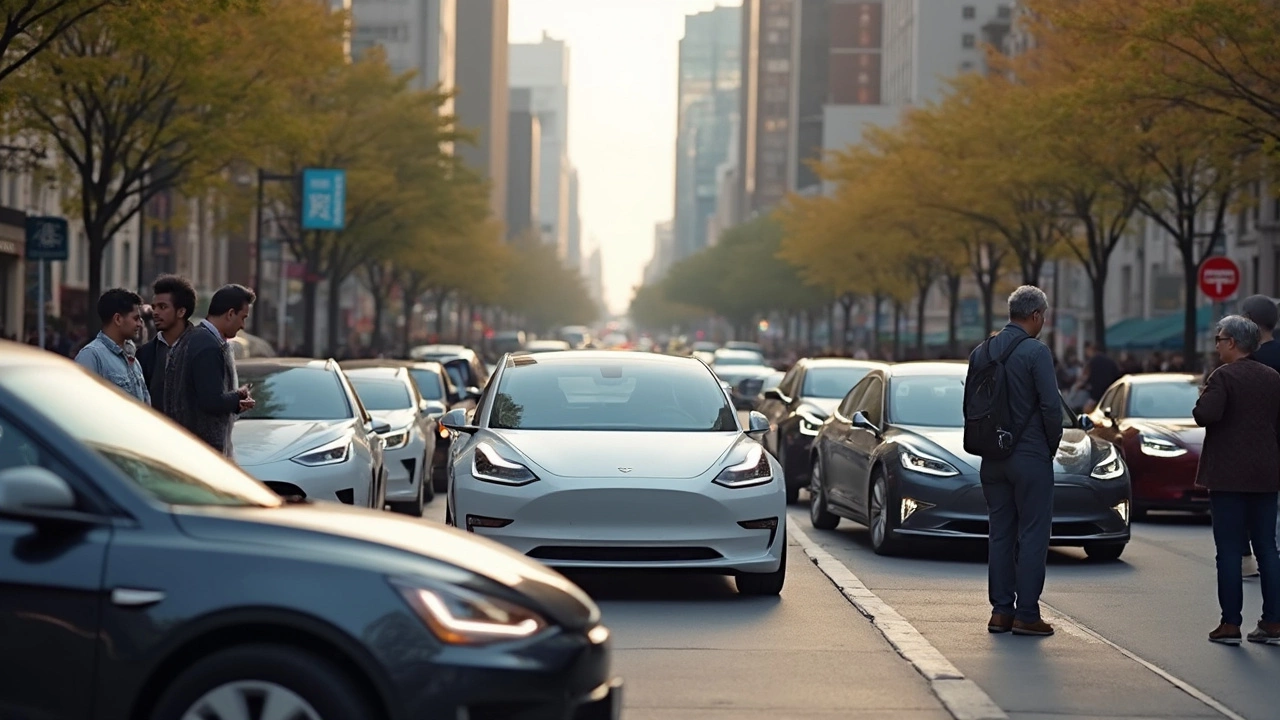
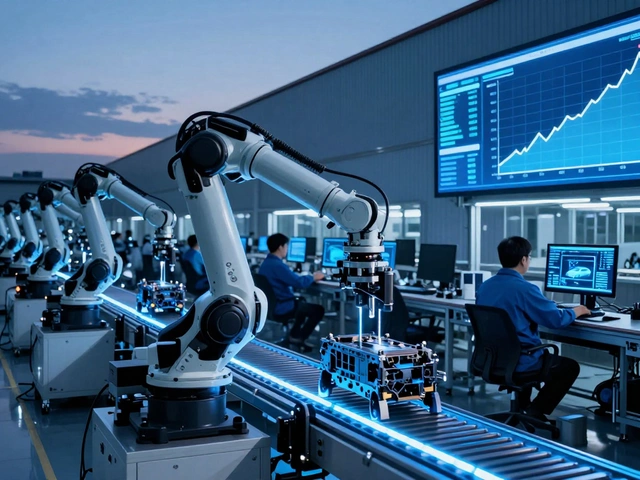
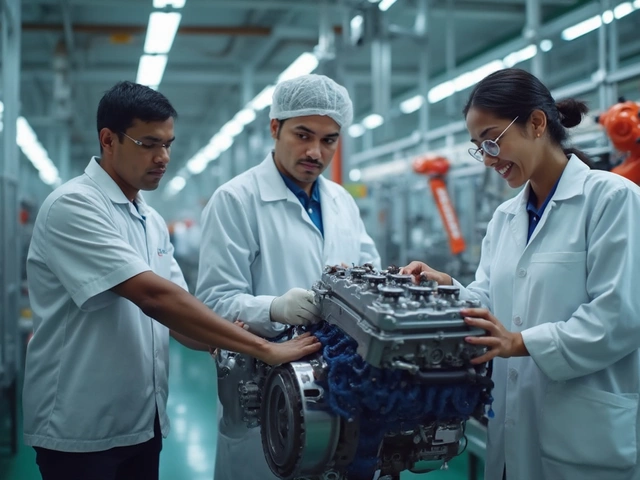
India doesn’t just buy imported vehicles—it reacts to them. When high-end EVs from Tesla or BMW arrive, local makers like Tata and Mahindra scramble to match features, cut prices, or speed up R&D. When tariff rules change on fully built units, manufacturers shift to CKD (completely knocked down) imports to avoid taxes and build more locally. This isn’t just trade—it’s a constant game of catch-up. The automotive manufacturing India, the network of factories, suppliers, and assembly lines producing vehicles and parts inside the country is directly influenced by what comes over the border. And when the government raises import duties on luxury cars, it’s not just protecting domestic brands—it’s forcing innovation in small-scale production, battery tech, and local sourcing.
Meanwhile, vehicle tariffs India, the taxes applied to cars entering the country, often based on engine size, type, and whether they’re fully built or assembled locally are one of the biggest levers in this game. A 100% tariff on a $50,000 EV makes it a niche product. But if the same car is imported as parts and assembled in Tamil Nadu, the duty drops to 30%. That’s why you see more imported kits than finished cars these days. It’s not about avoiding quality—it’s about playing the rules. And those rules are changing fast, pushed by Make in India, EV subsidies, and global supply chain shifts.
What you’ll find in the posts below isn’t just a list of foreign cars in India. It’s the real story behind the numbers: how imported vehicles affect local factories, why some manufacturers choose to import instead of build, and what it means for the future of Indian-made cars. You’ll see how small manufacturers use imported parts to compete, how tariffs shape pricing, and why some of the most popular vehicles here aren’t made here at all.